
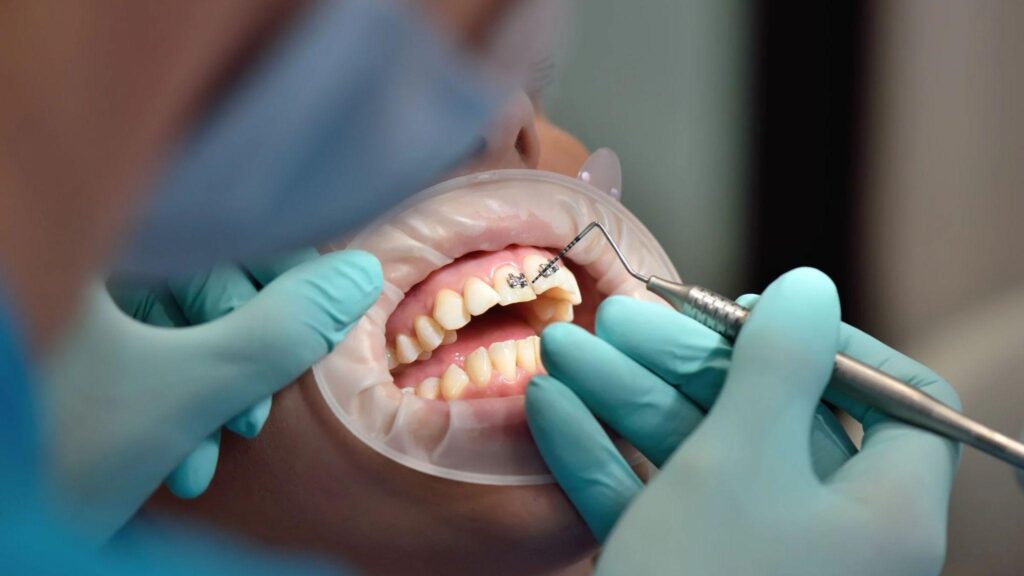
When your bite feels off, changes in dental work, grinding, tooth movement, or tooth loss can affect how your teeth meet, and a dentist can check the cause. Your bite is the way your upper and lower teeth come together when you close your mouth. A small change can make one tooth feel high or chewing feel uneven.
Pay attention to when the sensation began and whether you have pain, sensitivity, or a recent dental procedure. Those details can help a dentist, such as the team at Kensington Square Dental Centre, decide what to examine.
What Can Make Your Teeth Meet Differently?
Changes to teeth, restorations, or jaw position can alter where your teeth make contact. A new filling or crown may change contact on one tooth, while grinding, tooth movement, or tooth loss can shift the fit over time.
How Can Recent Dental Work Change Your Bite?
A new filling, crown, bridge, denture, or orthodontic adjustment can change how your teeth meet. If a restoration sits slightly high, the treated tooth may touch before the others when you close your mouth. You might notice pressure on that tooth or discomfort when chewing.
Mild unfamiliarity can occur as you adjust to dental work, especially soon after treatment. A specific tooth that hits first, persistent pain, or trouble chewing warrants a call to your dentist. Your dentist can check the restoration and adjust it if the contact is uneven.
After braces or clear aligners, your teeth can continue settling into their new positions. If the bite feels persistently uneven after treatment, contact your orthodontist for an evaluation.
Can Grinding, Tooth Movement, or Tooth Loss Shift Your Bite?
Yes. Clenching or grinding can wear down teeth, chip them, or place extra force on certain areas. You might notice flattened edges, new sensitivity, or jaw soreness, particularly after waking.
Teeth can shift over time, including after a neighboring tooth is lost. When a tooth is missing, nearby teeth may move toward the open space, changing how your upper and lower teeth meet. Gum disease can also loosen teeth and affect their position.
A new bite sensation does not identify its own cause. Your dentist can assess tooth position, wear, missing teeth, and gum health to determine what has changed.
Which Signs Suggest Your Bite Needs Attention?
A bite change deserves attention when it persists, affects chewing, or comes with pain, sensitivity, or visible tooth damage. The pattern of contact and any related jaw symptoms can help your dentist assess the problem.
What Does Uneven Tooth Contact Feel Like?
You may feel that one tooth touches first when you close your mouth, or that your teeth slide into place before they fit together. Chewing can feel awkward if food seems to land on one side or a tooth takes more pressure than its neighbors.
Some bite changes feel subtle. You might notice that your teeth no longer fit together as they did before, even when they look straight. If the sensation continues, note which tooth or side feels different and whether the change happens during chewing or at rest.
Can Jaw Tension, Tooth Sensitivity, or Wear Be Related?
Yes. An uneven contact pattern can place extra force on a tooth or make your jaw muscles work harder. You may experience tenderness around the jaw, discomfort when chewing, or sensitivity in a tooth that takes more pressure.
Grinding can contribute to both tooth wear and muscle tension. Look for chipped edges, flattened chewing surfaces, or sensitivity to hot and cold. Headaches can have many causes, so mention them to your dentist if they occur alongside a bite change or jaw soreness.
These signs do not prove that your bite is the cause. A dental exam can help distinguish bite-related issues from decay, a cracked tooth, gum problems, or other conditions.
When Should You See a Dentist, and What Can They Do?
Contact your dentist when a bite change persists, interferes with chewing, or follows dental treatment and feels uncomfortable. Seek urgent care for severe symptoms, an injury, or signs of infection.
When Is a Bite Change Urgent?
Call your dentist promptly if you have significant pain, a broken tooth, swelling, or a sudden change after an injury. Facial swelling with fever needs urgent dental or medical assessment. Trouble breathing or swallowing requires emergency care.
If a new filling or crown feels high and causes discomfort, contact the office that treated you and describe what you feel. Avoid trying to file or adjust a tooth yourself. Until you receive advice, choose foods that are comfortable to chew and avoid biting hard foods with the sore area.
What Happens During a Bite Evaluation?
Your dentist will ask when the change began, whether you recently had dental work, and what you notice while closing your mouth or chewing. The exam may include checking your teeth, restorations, gums, and jaw movement.
To see where your teeth contact, your dentist may use a thin marking material as you bite down. They may also check for wear, cracks, loose teeth, or missing teeth. X-rays or other imaging are used when the exam suggests they would help assess a specific concern.
Treatment depends on the finding. Your dentist may adjust a restoration, address tooth damage or gum disease, or discuss options for missing teeth or tooth movement. A bite adjustment should follow an exam that identifies the source of the contact problem.
A New Bite Change Is Worth Checking
A persistent change in how your teeth meet deserves a dental evaluation, especially when it affects chewing or comes with pain or sensitivity. Note when it began and which tooth or side feels different, then share those details with your dentist. If severe pain, swelling, injury, or difficulty breathing or swallowing occurs, seek urgent care.