
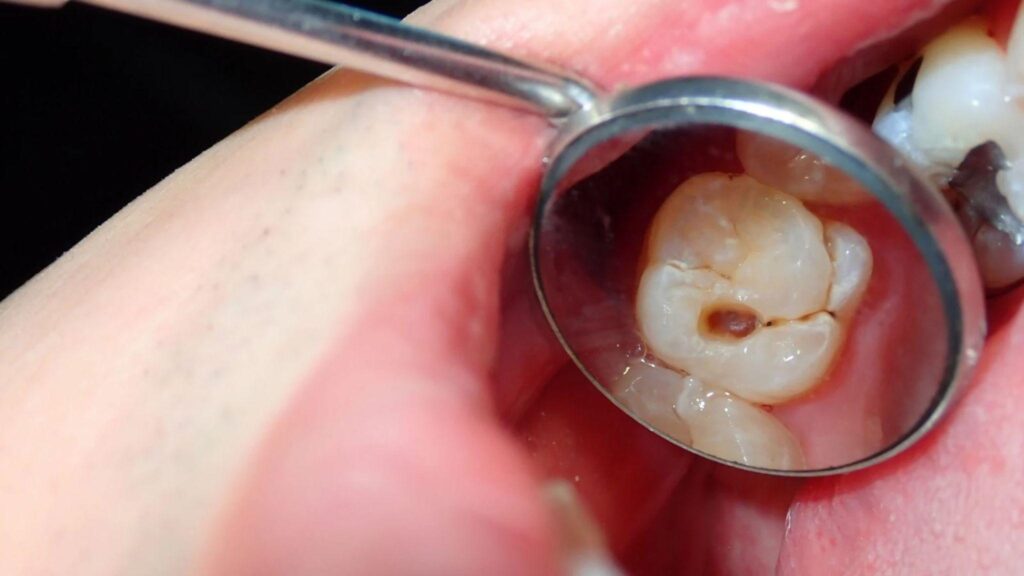
Cavities themselves do not pass from parent to child, but saliva can transfer bacteria that contribute to tooth decay, including through shared spoons and cups. That transfer raises your child’s exposure; it does not mean a cavity will automatically form.
Tooth decay develops when bacteria produce acids that damage teeth over time. You can lower your child’s risk with simple saliva-smart habits and consistent dental care from a practice such as Advanced Dentistry Ameredes & Associates.
How Does Saliva Transfer Cavity-Causing Bacteria?
Saliva can carry cavity-associated bacteria, including Streptococcus mutans, from your mouth to your child’s. Sharing items that have just touched your mouth creates a route for that transfer, while sugar exposure and oral hygiene influence whether decay develops.
Can Sharing Spoons or Cups Pass Cavity Bacteria?
Yes. When you use the same spoon, cup, straw, or fork as your child, saliva can pass between you and expose your child to bacteria linked with tooth decay.
A single shared sip or bite does not mean your child will develop a cavity. Tooth decay involves several factors, including the bacteria present, how often teeth encounter sugars, and how well plaque is removed.
Use a clean utensil and cup for your child, especially during infancy and toddlerhood. If you taste food to check its temperature, use a separate spoon.
What Other Everyday Habits Can Transfer Saliva?
Pacifiers cleaned in your mouth, shared toothbrushes, and blowing on food to cool it can transfer saliva. Kissing on the lips can also create saliva contact.
You do not need to avoid affection or feel alarmed after a shared bite. Focus on reducing repeated saliva-sharing habits, and keep toothbrushes separate so the bristles do not touch.
What Raises a Child’s Risk of Tooth Decay?
Your child’s risk rises when cavity-associated bacteria meet frequent sugar exposure and teeth that are harder to clean. Newly erupted teeth need protection, while regular brushing with fluoride toothpaste helps strengthen enamel and remove plaque.
Why Are Newly Erupted Teeth More Vulnerable?
New teeth have had less time to benefit from fluoride exposure, and their enamel is still maturing after eruption. Baby teeth also have thinner enamel than permanent teeth, so decay can progress quickly once it starts.
The grooves on newly erupted back teeth can trap food and plaque. Help your child brush carefully along the gumline and across the chewing surfaces, especially on molars.
How Do Sugar, Fluoride, and Brushing Affect Risk?
Frequent sugary snacks and drinks give mouth bacteria repeated fuel to produce enamel-damaging acids. Offer water between meals and keep sweet foods and drinks to mealtimes when possible; avoid putting your child to bed with a bottle containing milk, formula, juice, or another sweet drink.
Brush your child’s teeth twice a day with fluoride toothpaste. Use a rice-sized smear from the first tooth until age 3, then a pea-sized amount from ages 3 through 6. Supervise brushing and help your child spit out the toothpaste.
How Can Parents Reduce the Risk?
You can lower your child’s risk by limiting saliva-sharing habits, helping with daily brushing, and arranging dental care early. Small household changes work alongside fluoride and regular checkups to protect your child’s teeth.
Which Saliva-Sharing Habits Should Caregivers Avoid?
Give your child their own spoon, cup, straw, and toothbrush. Clean a dropped pacifier with soap and water or follow its care instructions; avoid putting it in your mouth before returning it.
If you need to check food temperature, use a separate spoon. Ask other caregivers to follow the same routines so your child has consistent protection at home and in childcare.
How Can Parents Support Healthy Teeth at Home?
Brush your child’s teeth twice daily with the age-appropriate amount of fluoride toothpaste, and begin cleaning as soon as the first tooth appears. An adult should brush or supervise until your child can clean every surface well.
Offer water between meals and choose snacks that do not expose teeth to sugar throughout the day. Ask your child’s dentist whether fluoride varnish or dental sealants suit their age and tooth development.
When Should a Child See a Dentist?
Schedule your child’s first dental visit by their first birthday or within six months of the first tooth erupting. Regular visits help the dentist check development, spot early decay, and recommend prevention suited to your child.
Contact a dentist promptly if your child has tooth pain, visible spots or holes, or sensitivity that affects eating. Facial swelling or fever with dental pain calls for urgent dental advice.
Small Saliva-Smart Habits Help Protect Growing Smiles
You can reduce your child’s exposure to cavity-associated bacteria by using separate utensils, cups, and toothbrushes. Pair those habits with fluoride toothpaste twice a day and a dental visit by age one, then follow your dentist’s schedule for ongoing care.