
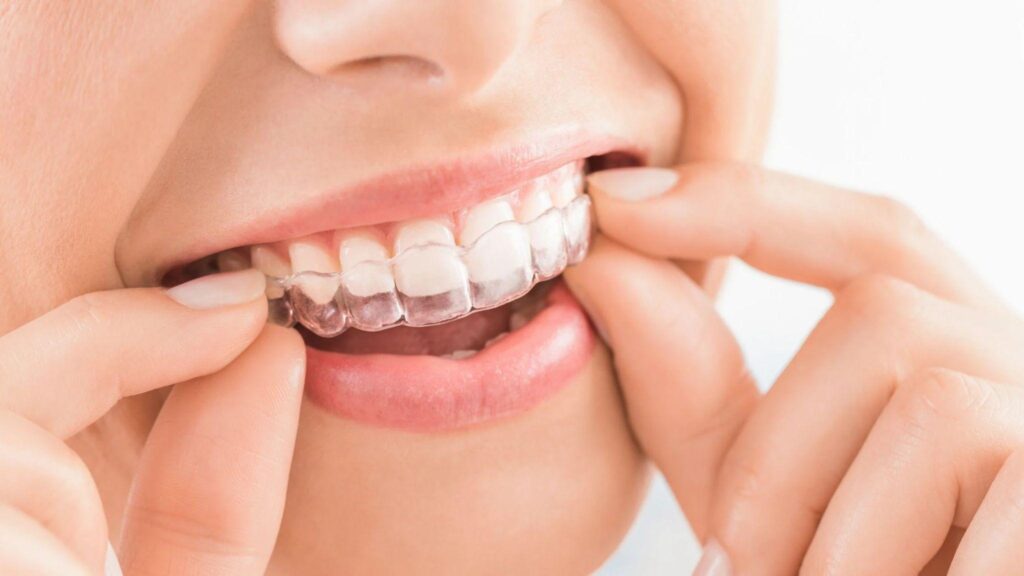
Directly 3D-printed aligners change how your trays are manufactured: the aligner shell is printed from resin, which removes the model-and-thermoforming steps used in conventional production. For you, the main change is a different manufacturing process that can give your orthodontist more control over aligner shape and thickness, while your treatment plan and supervision remain central.
That production shift may affect how an aligner fits and feels, though your experience depends on the material, finishing process, and prescribed treatment. Clinical evidence on patient outcomes and long-term material safety is still developing. If you’re comparing printed aligners with established options such as invisalign in Honolulu, ask your orthodontist how each is made and what evidence supports it.
How Are Directly Printed Aligners Made Differently?
Direct printing changes the production path by creating the aligner itself from a digital design. The conventional process uses a printed model and a heated plastic sheet, while direct printing removes those intermediate steps.
How Thermoformed Aligners Are Usually Made
With thermoformed aligners, your teeth are scanned or modeled digitally, and software maps a sequence of planned tooth positions. A physical model is produced for each stage, then a thin plastic sheet is heated and formed over each model to create an aligner.
The forming step can change the plastic’s thickness across the tray. The model’s surface and the forming process also influence the finished aligner’s fit and surface. Your provider trims and finishes the trays before you receive them.
What Changes When the Aligner Is Printed Directly
A directly printed aligner is built from a digital design using a light-cured resin. Because the shell is printed directly, production does not require a separate model for each aligner stage or the sheet-forming step.
Digital design gives the manufacturer control over details such as geometry and thickness. Those choices influence how forces are delivered, and a thickness adjustment does not create a predictable force change in every area. Printer settings and post-processing also affect the finished appliance, so the process still requires quality control.
What Could Patients Notice During Treatment?
You may notice differences in the aligner’s fit, edges, or feel, while your treatment schedule remains guided by your orthodontist’s plan. The manufacturing method alone does not tell you how a particular case will progress.
Fit, Edges, and Day-to-Day Comfort
Your comfort depends on the finished tray, including its fit around each tooth and the smoothness of its edges. Direct printing allows the design to specify thickness and shape, while printing and post-processing can affect surface quality.
When you receive a new tray, check whether it seats fully and whether an edge rubs your tongue or cheek. Tell your orthodontist about persistent irritation, a crack, or a tray that will not seat as directed. Your provider can assess the fit and advise you on the next step.
Treatment Planning, Wear Time, and Follow-Up
Your orthodontist sets the planned tooth movements, aligner sequence, wear schedule, and follow-up visits. Direct printing changes how the appliance is made; it does not replace examination or professional adjustments to the plan.
Follow the daily wear instructions and tray-change timing given for your case. If a tray is lost or damaged, or your teeth do not track as planned, contact your provider before changing the schedule yourself. Your checkups let the clinician assess progress and decide whether the next planned stage is appropriate.
How Strong Is the Evidence on Safety and Results?
Evidence supports the technical feasibility of directly printed aligners, while patient-level data on long-term results and safety remain limited. Laboratory material findings and clinical treatment outcomes answer different questions.
What Early Clinical Research Can Tell Us
Early clinical reports show that directly printed aligners have been used in treatment, including a 12-month evaluation. Such reports help describe clinical application, but a limited number of patients or treatment settings cannot establish performance across all cases.
A large share of published work examines materials and laboratory properties. You should treat claims about improved accuracy, comfort, or treatment speed as product- and evidence-specific until stronger clinical comparisons support them.
Material Safety and Remaining Uncertainties
Directly printed aligners use light-cured resin, so the finished material depends on the resin formulation and the prescribed printing, washing, and curing process. Research has examined residual substances and biological effects, with relatively few studies available to answer every question about long-term use.
Ask your orthodontist which material and production process the practice uses, and how the trays are finished and checked. If you have gum inflammation, oral sores, or concerns about irritation, raise them before treatment and report any new symptoms promptly.
Questions to Ask About Cost and Availability
Ask whether direct printing is available for your treatment plan and what the quoted fee includes. Manufacturing efficiencies do not guarantee a lower patient price, so request an itemized estimate that covers appointments, refinements, replacement trays, and retainers.
You can also ask who plans and monitors your tooth movements, how often you will have checkups, and what happens if a tray does not fit. In the United States, the FDA states that clear aligners sold directly to consumers without a prescription and supervision by a dentist or orthodontist are not authorized.
New Manufacturing, With Orthodontic Oversight Still Essential
Direct printing changes how your aligners are produced, while your diagnosis, treatment plan, and progress checks remain professional responsibilities. The technology offers more control over aligner design, and clinical evidence continues to develop.
Before you start, ask your orthodontist to explain the material, expected schedule, follow-up plan, and full cost for your case. Keep your provider involved if a tray causes ongoing irritation, breaks, or stops fitting as instructed.