

Jasmine rice—it’s not just a pretty name. This fragrant grain often graces dinner tables, but when it comes to weight loss, opinions can be as varied as the dishes it complements. Is it a friend or foe in the battle of the bulge? While some might argue that carbs are the enemy, jasmine rice brings a unique charm to the table. Packed with flavor and a delightful aroma, it can easily turn a mundane meal into a culinary adventure. But can it help shed those extra pounds? Let’s dive into the delicious world of jasmine rice and uncover whether it deserves a spot on your weight loss journey or if it should take a backseat to greener pastures.
Is Jasmine Rice Healthy for Weight Loss
Jasmine rice is a popular variety of long-grain rice known for its fragrant aroma and soft texture. This rice can play a role in various diets, including those focused on weight loss.Nutritional Profile of Jasmine Rice
Jasmine rice contains approximately 160 calories per cooked cup (158 grams). Each serving provides 36 grams of carbohydrates, which fuels the body’s energy needs. It contains about 3 grams of protein and minimal fat, contributing to a balanced diet. Additionally, jasmine rice offers small amounts of B vitamins and minerals such as magnesium and phosphorus, supporting overall health. Fiber content in jasmine rice is lower compared to whole grains, which may impact satiety levels in individuals aiming to manage weight.Glycemic Index and Its Impact
The glycemic index (GI) of jasmine rice typically ranges from 68 to 80, designating it as a high-GI carbohydrate. Consuming high-GI foods leads to rapid spikes in blood sugar levels, potentially increasing hunger shortly after eating. This characteristic can challenge weight loss goals by promoting additional food intake. Combining jasmine rice with protein and healthy fats may help stabilize blood sugar levels and prolong feelings of fullness. Understanding this relationship is crucial for those integrating jasmine rice into their meal plans.Health Benefits of Jasmine Rice
Rich in Essential Nutrients
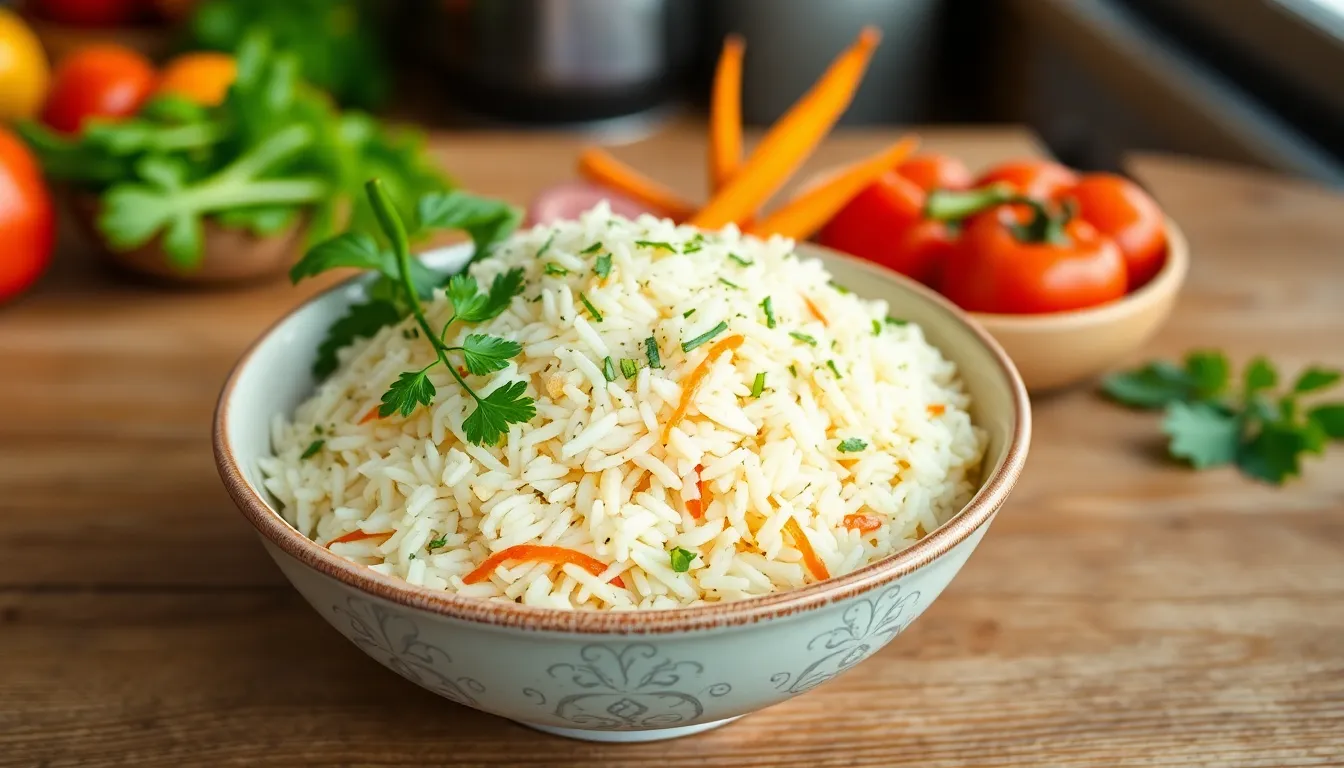
Jasmine rice provides important nutrients. Each cooked cup contains essential B vitamins such as thiamine, niacin, and vitamin B6. These vitamins play vital roles in energy metabolism and brain function. Along with B vitamins, jasmine rice delivers minerals like magnesium and phosphorus. Magnesium supports muscle and nerve function, while phosphorus contributes to healthy bones and teeth. Jasmine rice’s nutrient density enhances its value in meals, especially when paired with vegetables or lean proteins.Digestive Health and Fiber Content
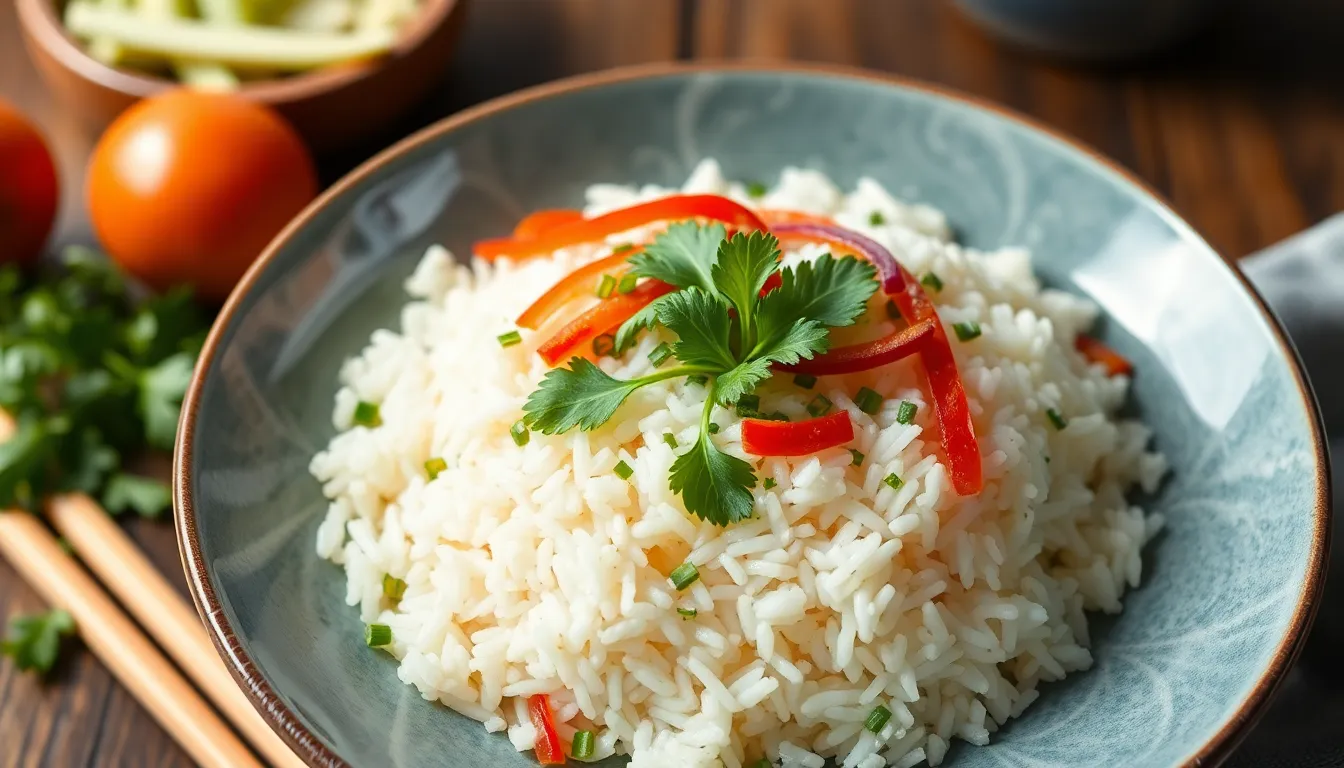 While jasmine rice is lower in fiberthan whole grains, it still contributes to digestive health. Consuming this rice in moderation can help maintain proper digestion. Incorporating fiber-rich foods alongside jasmine rice can improve satiety. To enhance fiber intake, pair jasmine rice with legumes or vegetables. These combinations not only provide additional nutrients but also promote healthy digestion. Although jasmine rice alone may not be high in fiber, its role in a diverse meal can support overall digestive wellness.