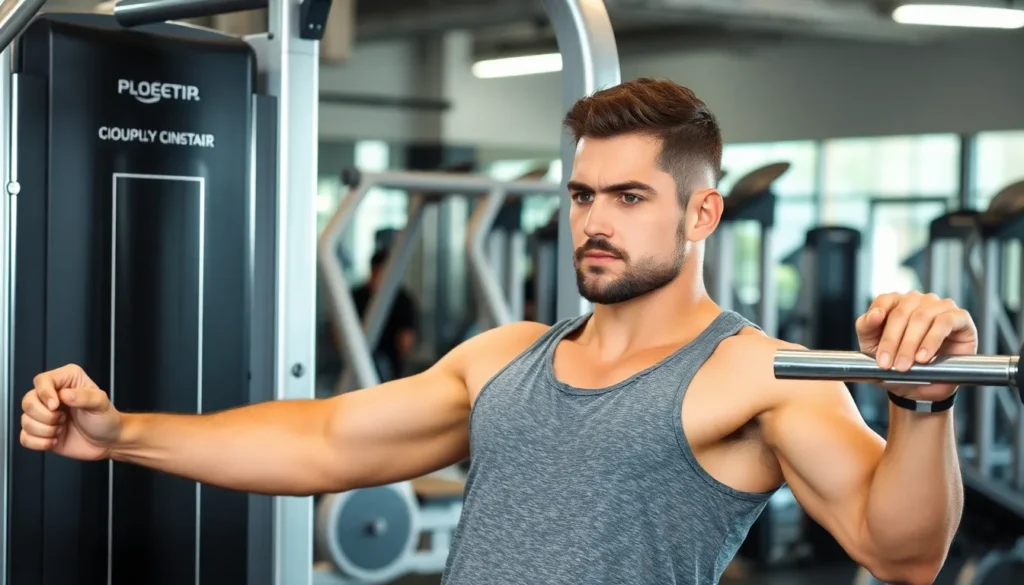
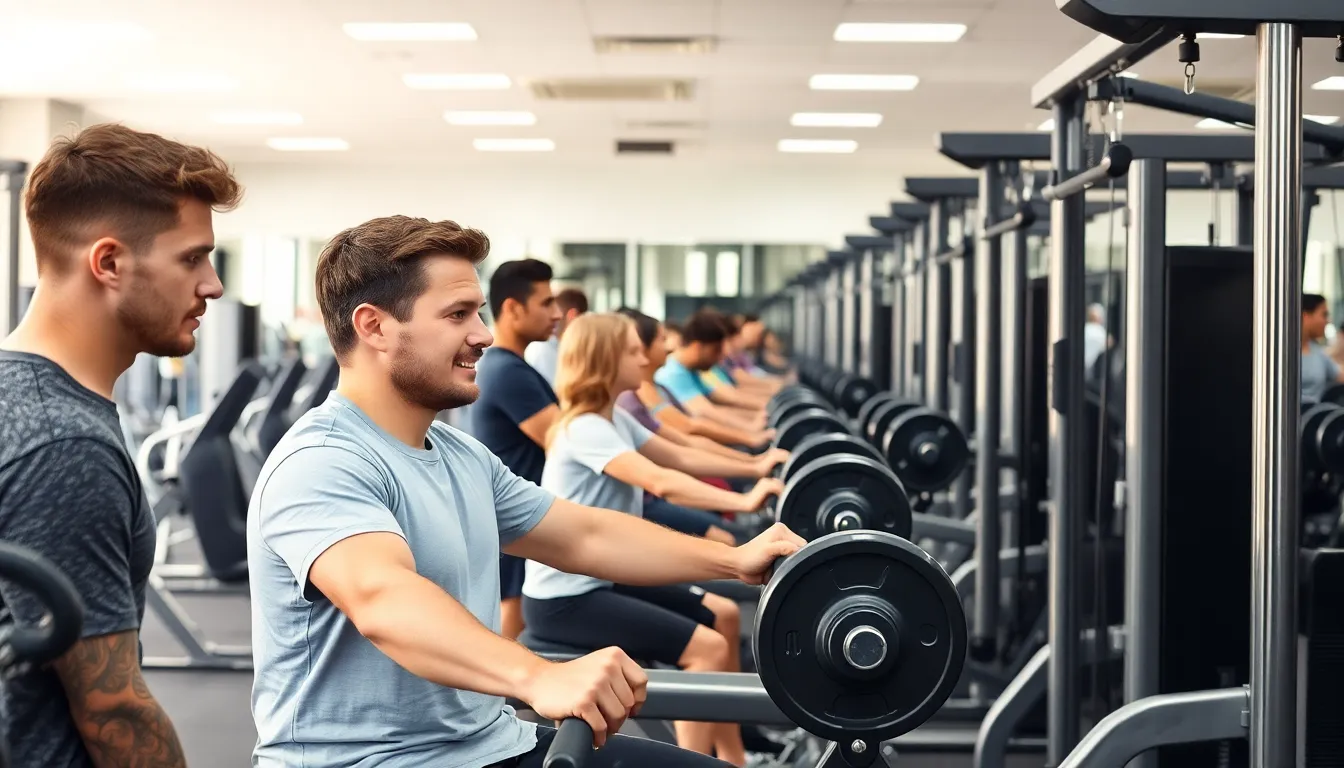
In a world where strength is often equated with superhero status, strength training machines are your trusty sidekicks. They don’t wear capes, but these machines can transform anyone into a muscle-building marvel. Whether you’re a gym newbie or a seasoned lifter, these machines offer the perfect blend of support and challenge, helping you unleash your inner beast without the fear of turning into a pretzel.
Forget about awkwardly lifting free weights and risking an impromptu gym comedy show. With strength training machines, you can focus on your form while they do the heavy lifting—literally. From leg presses to cable machines, they’re designed to target specific muscle groups, making your workout efficient and effective. So, let’s dive into the world of strength training machines and discover how they can help you sculpt the body you’ve always dreamed of—without the cape required.
Strength training machines are vital for effective workouts, making them accessible for all fitness levels. These machines enhance muscle-building efforts while ensuring correct form and safety.
Benefits of Using Strength Training Machines
Using strength training machines offers several advantages. They provide stability and support, which helps reduce the risk of injury. Targeting specific muscle groups becomes easier, allowing for a more focused workout. Machines also simplify resistance adjustments, enabling quick changes in weight and intensity. Controlled movements enhance muscle engagement, resulting in efficient training sessions. Many individuals find the structured environment of machines less intimidating compared to free weights.
Comparison with Free Weights
While both strength training machines and free weights contribute to muscle development, they serve different purposes. Machines focus on isolation of muscles, making them ideal for targeted training. Free weights, however, engage multiple muscle groups and improve overall balance. Strength training machines often emphasize guided motion, aiding beginners in learning proper techniques. In contrast, free weights require more stabilization, which can enhance functional strength over time. Choosing between them depends on individual goals, experience, and preferences.
Types of Strength Training Machines
Strength training machines come in various types, each designed for specific workout needs and muscle targeting. Understanding these types enhances workout effectiveness.
Selectorized Machines
Selectorized machines allow users to adjust weight with a simple pin system. These machines target isolated muscle groups efficiently, providing stability during workouts. With a range of resistance options, individuals can progressively increase weight as strength improves. Many gyms feature popular selectorized machines, like leg presses and chest presses, catering to different fitness levels. This type of machine encourages proper form, minimizing the risk of injury while maximizing muscle engagement.
Plate-Loaded Machines
Plate-loaded machines utilize weight plates for resistance, offering versatility in workouts. Users can incrementally adjust the resistance to meet their strength levels. Common plate-loaded machines include squats and benches, promoting compound movements that engage multiple muscle groups. The freedom of movement on these machines mimics free weight exercises while maintaining guided support. These machines appeal to those seeking the benefits of both isolation and functional strength training.
Cable Machines
Cable machines incorporate adjustable cables and pulleys, allowing for a wide range of motion. These machines enable dynamic movements and functional training, targeting several muscle groups simultaneously. Users appreciate the versatility, as exercises can be modified based on individual fitness goals. Various attachments, such as handles and ropes, enhance workout variety while promoting muscle engagement. Cable machines are effective for stability and core strength, making them a favorite among many fitness enthusiasts.
How to Use Strength Training Machines Effectively
Using strength training machines effectively promotes muscle growth and reduces injury risk. Understanding proper techniques enhances workout efficiency, allowing for noticeable progress.
Proper Form and Technique
Maintaining proper form maximizes benefits and prevents injuries. Focus on aligning your body with the machine’s design, ensuring knees, hips, and back stay aligned. Engage core muscles during each exercise for stability and control. Adjust the seat and handles to match individual body dimensions for optimum results. Concentrate on executing slow, controlled movements, avoiding momentum to target muscles effectively. Regularly reviewing your form through mirrors or asking trainers for feedback can enhance performance.
Setting Up the Machine
Setting up the machine correctly sets the foundation for an effective workout. First, read the machine’s instructions or labels for guidance on adjustments. Next, select an appropriate weight, starting with lighter weights if unsure about strength levels. Position the seat height so that joints align correctly; knees should match pivot points for comfort. Additionally, ensure handles are at the correct height for full range of motion. After making these adjustments, test the setup with a few repetitions to confirm comfort and effectiveness.
Common Mistakes to Avoid
Avoiding common mistakes enhances the effectiveness of strength training machines. Individuals can optimize their workouts by staying aware of common pitfalls.
Overloading the Weights
Overloading weights happens when users choose heavier loads than they can handle. This practice increases injury risk instead of promoting muscle growth. Prioritizing proper form should always take precedence over lifting heavier weights. It’s advisable to select a weight that allows completing exercises with controlled movements. Gradually increasing resistance as strength improves fosters long-term success. During each session, focusing on the targeted muscle group enhances engagement and effectiveness.
Ignoring Warm-Up and Cool Down
Ignoring warm-ups and cool downs can lead to injuries and muscle soreness. A proper warm-up prepares the body for the intensity of strength training exercises. Engaging in light cardio and stretching improves blood flow and flexibility. Following the workout, cool down exercises help the body transition back to a resting state, reducing stiffness. Incorporating these practices into every routine ensures optimal performance and recovery. Prioritizing both warm-ups and cool downs supports overall health and fitness advancement.
Conclusion
Strength training machines offer a practical and effective way to enhance fitness routines. By providing stability and support they help users focus on form while minimizing injury risks. The variety of machines available caters to different fitness levels and goals making it easier for individuals to find the right fit for their needs.
Embracing strength training machines can lead to significant improvements in muscle growth and overall strength. With the right approach and technique anyone can harness the benefits these machines provide. Whether someone is just starting out or looking to refine their workouts incorporating strength training machines can be a game changer in achieving fitness aspirations.