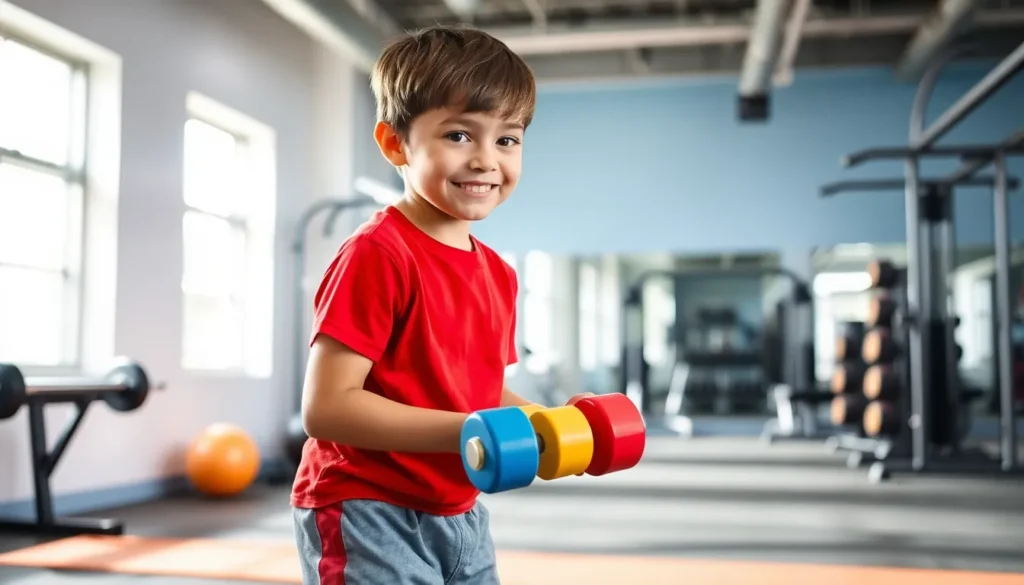
Strength training for kids might sound like a recipe for disaster, but it’s actually a smart move for their physical development. Imagine a world where children not only conquer the playground but also build confidence, improve their posture, and learn the importance of teamwork—all while lifting weights that are lighter than their backpack. It’s not just about bulking up; it’s about setting the foundation for a healthy lifestyle.
Strength training offers numerous advantages for children, supporting both their physical and mental development. Engaging in structured strength training fosters a healthy lifestyle while building essential skills.
Physical Health Benefits
Improved muscle strength enhances children’s performance in sports and physical activities. Increased endurance allows kids to engage in activities longer without fatigue, promoting overall fitness. Enhanced coordination and balance contribute to better athletic ability, reducing the risk of injuries. Lower body fat percentages and improved body composition lead to healthier body weights. Greater bone density results from resistance training, providing a solid foundation for long-term skeletal health.
Mental Health Benefits
Strength training boosts self-esteem and confidence in children, allowing them to take pride in their physical accomplishments. Increased focus and discipline arise from regular training sessions, helping kids apply these traits in other areas of life. Stress relief occurs through the release of endorphins, which enhances mood and decreases anxiety levels. Improved social skills develop as children participate in group training, learning teamwork and cooperation. Strength training also teaches goal-setting, empowering kids to achieve personal fitness milestones.
Safety Considerations
Safety plays a crucial role in strength training for kids. Understanding key aspects ensures a positive experience and effective results throughout the process.
Appropriate Age for Strength Training
Children aged 7 to 8 can start basic strength training. Emphasis should remain on body weight exercises and developing proper techniques. By age 10, gradual introduction of light weights becomes possible. Focus on age-appropriate exercises enhances their physical abilities while minimizing injury risk. Consulting with a pediatrician or a qualified fitness professional helps determine readiness and suitability. Children’s growth and maturity levels are important factors when introducing strength training, as each child develops at their own pace.
Proper Supervision and Guidance
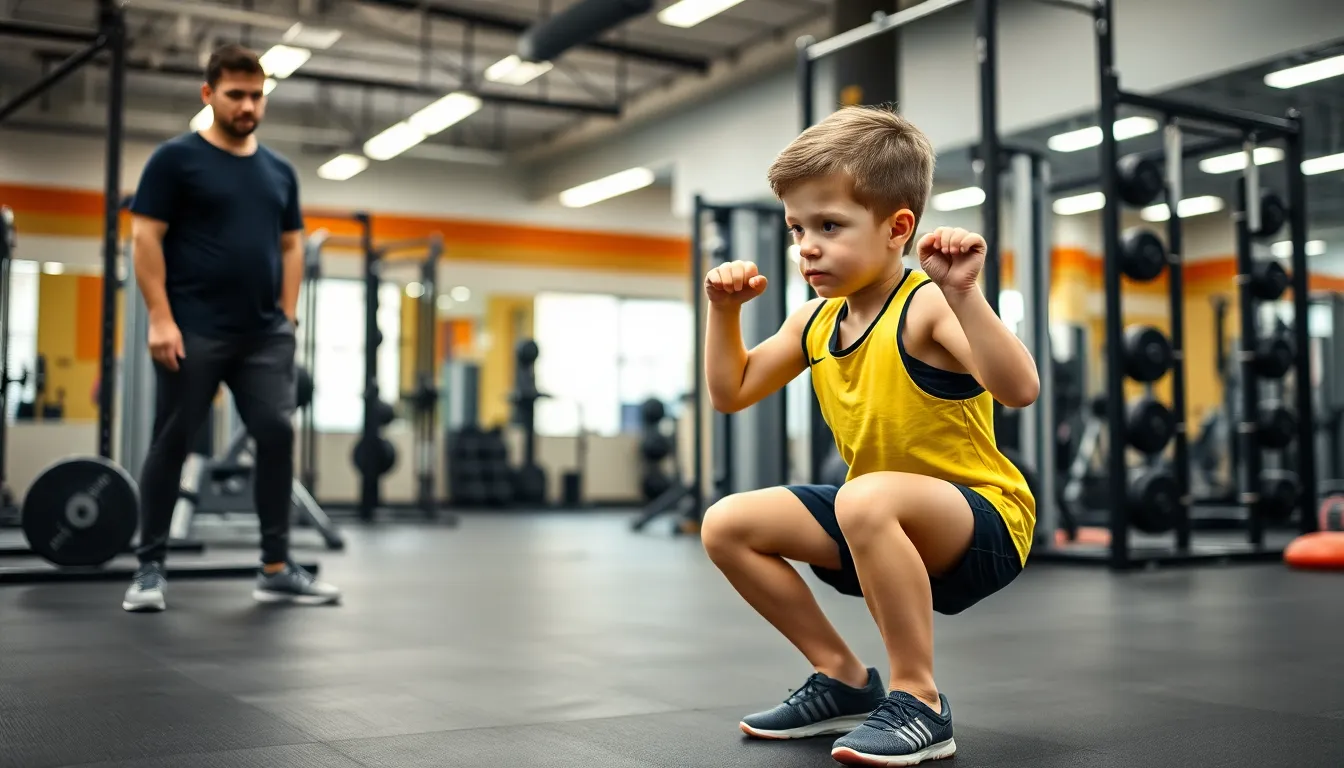
Supervision is essential during strength training sessions. An adult trained in fitness should always oversee workouts to ensure safety. Guidance helps maintain correct form, reducing injury risk. Moreover, instructors can provide encouragement and adjust loads according to the child’s ability. Structured environments like fitness classes or sports teams promote safe practices and teamwork. Additionally, instructors should teach kids about listening to their bodies and recognizing limits. Frequent check-ins ensure that the training remains appropriate to their skill level.
Types Of Strength Training Exercises
Strength training for kids involves various exercises that address both physical and developmental needs. This section covers two main types: bodyweight exercises and resistance training.
Bodyweight Exercises
Bodyweight exercises use the child’s own weight for resistance, making them safe and effective. Push-ups, squats, and lunges enhance muscle strength and coordination. Climbing on playground structures also qualifies as a bodyweight exercise, promoting functional movement. These exercises develop core stability, which supports overall balance and posture. Incorporating games that include bodyweight exercises can make training enjoyable and engaging for kids.
Resistance Training
Resistance training introduces external weights to enhance strength further. Appropriate forms include light dumbbells, resistance bands, and weighted vests. Kids typically start with very light weights to focus on proper form and technique. Exercises like bicep curls, shoulder presses, and leg presses can be included in a training routine. Structured sessions led by trained professionals ensure safety and correct execution. Age-appropriate resistance training contributes significantly to muscle development and boosts overall athletic performance.
Guidelines For Strength Training
Strength training for kids requires careful planning and consideration. Incorporating proper frequency and techniques ensures safe and effective workouts.
Frequency and Duration
Training sessions should occur two to three times per week. Each session can last 30 to 60 minutes, depending on the child’s age and fitness level. Children benefit from a balanced approach, allowing at least one day of rest between sessions for muscle recovery. Regular activity encourages consistency and enjoyment while fostering long-term fitness habits. Varying workouts throughout the week helps maintain interest and motivation, preventing burnout and injuries.
Techniques and Form
Emphasizing proper techniques is crucial for safety and effectiveness. Children must learn correct form before increasing weights or intensity. Teaching them to perform exercises like push-ups, squats, and lunges ensures they engage the right muscles while avoiding injury. They should start with bodyweight exercises to gain confidence and proficiency. Gradually introducing light weights allows for incremental progress. Encouraging supervision from a qualified instructor during sessions enhances learning and minimizes risk. Focus remains on developing a solid foundation for lifelong fitness.
Conclusion
Strength training offers a wealth of benefits for kids that extend beyond physical fitness. By fostering confidence and teamwork while improving overall health, it lays the groundwork for a lifelong commitment to wellness. With proper guidance and a focus on safety, children can enjoy the advantages of strength training in a fun and engaging way.
Emphasizing correct techniques and gradual progression ensures that young athletes build strength effectively while minimizing injury risks. As they develop both physically and mentally, kids not only enhance their athletic performance but also gain essential life skills that will serve them well in the future. Embracing strength training can truly be a transformative experience for children, setting them on a path to a healthier lifestyle.