

One of the most powerful and yet underused weapons for maintaining long term health is movement. Although exercise is typically spoken of in terms of keeping your weight down, being strong or excelling in your favourite sport – its effects on circulation and vein health are equally significant. Strong blood flow aids every organ system, providing oxygen and nutrients while removing waste. Poor movement or improper organisation of movement, leads to poor circulation and results in the increased chance of venous insufficiency including leg swelling, varicose veins and chronic pain. Correct training, and intentional movement is super important in ensuring our veins are healthy, we have great blood flow throughout the body and that well…we perform better overall.
Understanding Circulation and Vein Function
The cooperation of the heart, arteries, veins and muscles is an absolute prerequisite for the functioning of circulation. Arteries carry oxygenated blood away from the heart, and veins return deoxygenated blood to the heart, often facing upwards against gravity. Only the heart is able to pump blood upward in the body, so veins in the lower body rely profoundly on muscle contractions to help facilitate this lift.
The veins themselves have one way valves in them to stop the blood flowing backwards. If these valves are weak, or muscle activity is low, blood can collect in the legs and pressure in the veins can build. In most cases, over time this can result in visible changes to the veins and discomfort of heavy, painful legs contribute to fatigue and other conditions like chronic venous insufficiency. Exercise is a built-in pump, which contracts muscles that compress veins and push blood efficiently through every part of the vessel.
Movement and the Return of Blood to the Heart
Each step involves the muscles in the feet, calves and thighs, which all play a role in venous return. The calf muscles, in particular, are sometimes called the body’s “second heart” because when you walk and propel yourself upward onto your toes, they pump fluid up against gravity. As they contract during things like walking, running or weight lifting, they help squeeze veins and move blood past the valves since that’s the only direction venous blood can travel: up toward the heart.
Would you like to video or text chat with me?Blood backs up in the legs rather than returning to the heart when circulation slows as a result of prolonged sitting or standing still- long being categorized as any time period exceeding 30 minutes. Over time, this can lead to slow movement of blood through your veins and an increased pressure in the venous system of your legs—all of which make it more likely that you’ll experience symptoms related to your veins. Healthy blood flow during the day is assisted and normalized by regular, well-coordinated movement.
It’s Quality, Not Quantity When It Comes to Training
All movement isn’t created equal when it comes to circulation. Correct training is more about balance in muscle activation, mobility at the joint and controlled movements rather than just becoming too intense. Weak form, overuse or overlooking specific muscles can impede blood flow and even cause pain or aches.
Workout that utilize natural movements like squatting, stepping, lunging and rotating engage large muscle groups more frequently allowing them to work in unison to generate blood flow. These movements enhance the muscle/joint coordination for performance as well as vascular health. When training is organized properly, volume increases not only while you are working your guts out but during recovery.
Strength Training and Vein Health
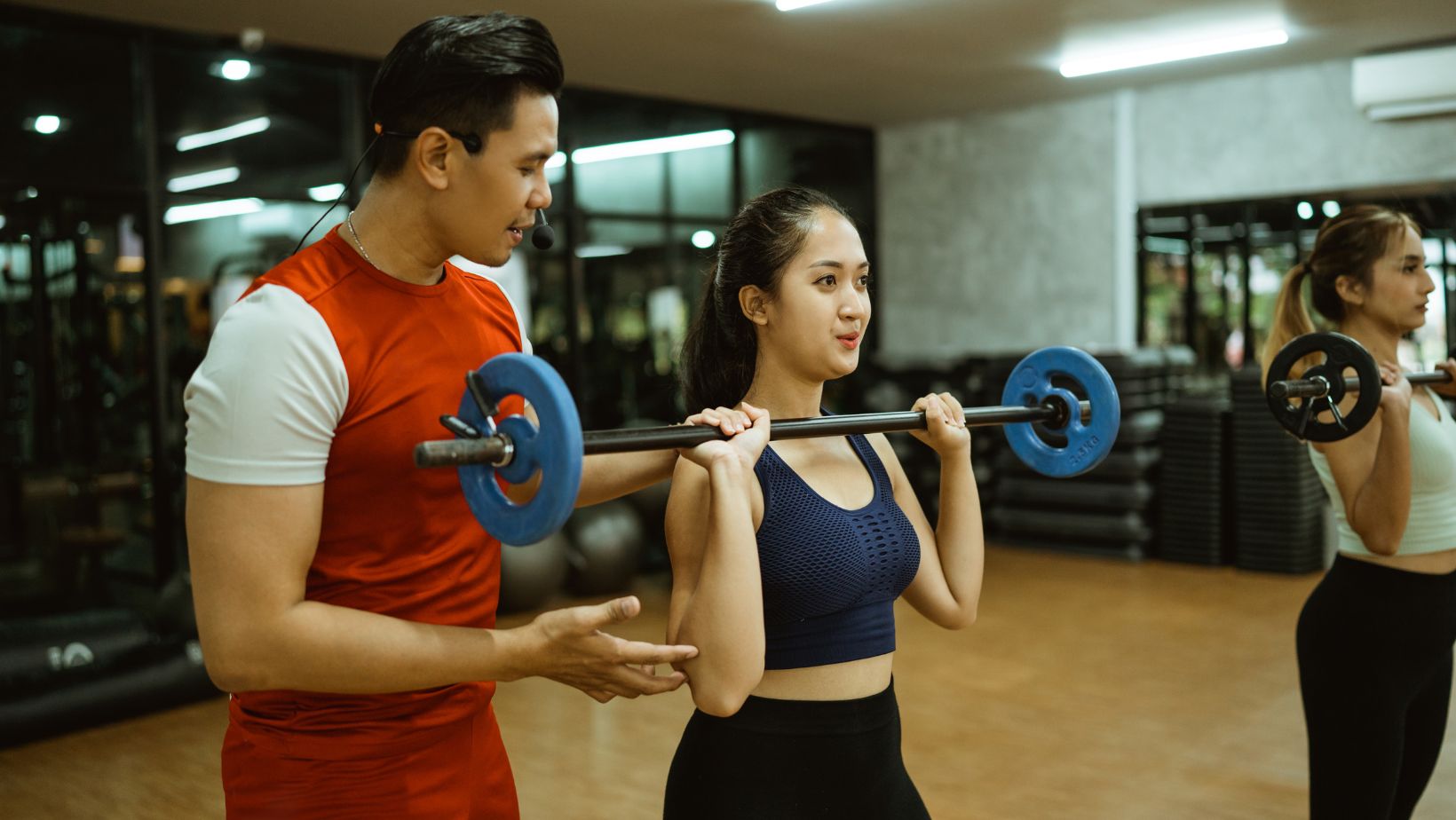
We often think lifting strength will give us bigger muscles, but it also contributes to good circulation. Resistance exercise promotes muscle contractions which improve venous return and valve function. Strengthening your legs, hips, and core can enhance posture and movement mechanics, helping to limit undue pressure on veins.
Controlled resistance training also contributes to the blood pressure responses to exercise, promoting a more healthful vascular adaptation with time. Strength training, when done correctly, does not harm veins; it actually strengthens the muscles that provide support for veins to function effectively.
Cardiovascular Training and Blood Flow
Walking, biking, swimming or running are good examples of aerobic exercise which elicit a long-lasting rise in heart rate and circulation. These all promote oxygen delivery, endothelial function and maintain stable venous return. Long-term low-intensity cardio training is excellent for people worried about joint wear, or who see the first signs of vein issues.
The movement of the heart prevents blood from accumulating in primarily the lower limbs. Even gaining a little daily activity is enough to drastically lower the feeling of leg heaviness, swelling and fatigue caused by bad circulation. The secret is not in bouts of extremely high intensity, rather maintaining circulation without overloading the body.
Mobility, Flexibility, and Vascular Support
Muscle and joint flexibility means that circulation can be affected more than people are aware by their condition. Stiff muscles can compress blood vessels and impede flow while also increasing venous pressure. Movements that encourage movement at end range of motion, such as dynamic type stretching or some form of controlled mobility, are great for keeping blood pathways ‘open’.
Ankles, hips and knees are the most vital for your lower body to circulate. In freely moving joints, the muscles will contract and relax correctly, allowing for unimpeded venous return. Workout plans that incorporate these joint-friendly moves with strength and cardio training are a more complete way to take care of your veins.
Lifestyle Movement Beyond the Gym
Workouts are great, but everyday movement habits are every bit as important to circulation. Sitting or standing for long periods, for example due to desk work, can hinder the flow of venous blood even in those who exercise. Building movement into the day, even small walks or changes in posture and gentle stretching, helps to ensure continuous blood flow.
This is especially applicable in today’s workplace where sitting is so prevalent and everyone spends too much time in front of a screen. Small, regular movements help to keep muscles active and stop blood from pooling up, building on what your formal training sessions will provide.
When Exercise Is Not Enough
Proper training is extremely beneficial for the venous system, but may not be enough to correct existing vein problems. There are elements such as genetics, hormonal shifts, pregnancy, age and old traumas may affect vein function even if you’re active. Protruding, visible varicose veins are a condition that may be described as venous insufficiency and needs evaluation.
In these cases, it’s the blending of movement-based approaches and professional treatment that produces ideal results. Those who may wish to have a professional assessment or treatment could visit a specialized provider, such as Vein Clinic in Naples.The combination of these kinds of cutting edge diagnostics and treatments can keep up with an active lifestyle based on movement.
Training and Your Vein Health
Fitness people and trainers look at it but only have a partial effect on circulatory health. By structuring sessions based on correct execution, balanced musculature and gradual load increases trainers can enable clients to perform with both power and vascular benefit. Teaching clients about recovery, hydration and how often to move also supports long-term success.
Vein friendly training doesn’t have to look drastically different, but it does need to be thoughtful and respect your body’s systems. Not only is this ideal for athletes but also the elderly and any everyday person.
One More Reason Why Blood Flow and Better Circulation are the Goal with Each Movement
Proper training goes a long way outside of the gym. Increased blood flow facilitates quicker recovery and decreased inflammation, helps improve energy levels, and may aid in your body’s overall health. The continued movement also works to support the elasticity of the veins, the efficiency of their valves and other vascular resilience.
When people see physical conditioning as a means to circulatory upkeep, rather than as an end in itself, they can make health-sustaining habits that endure for decades. And movement is your best prevention, reducing your chances of developing vein problems (oh the irony!) and allowing you to live out your quality years less encumbered.
Conclusion
Both of these are very important in train proper, and intentionally movingKeep them for a healthy circulation and functioning vein. Through equalized resistance training, regular forms of cardiovascular activity, and daily mobilization we can support- as well as increase the stress on-the body’s own blood-flow regulation mechanisms. Movement in itself may not treat all your vascular issues, but it serves as a cornerstone that generally supports long-term vein health.
When smart training practices and professional guidance when necessary are combined, a person can take charge of better circulation, decreased discomfort and increased vitality. This makes not only physical activity but the moving even cash a strong investment in vascular health for life.