
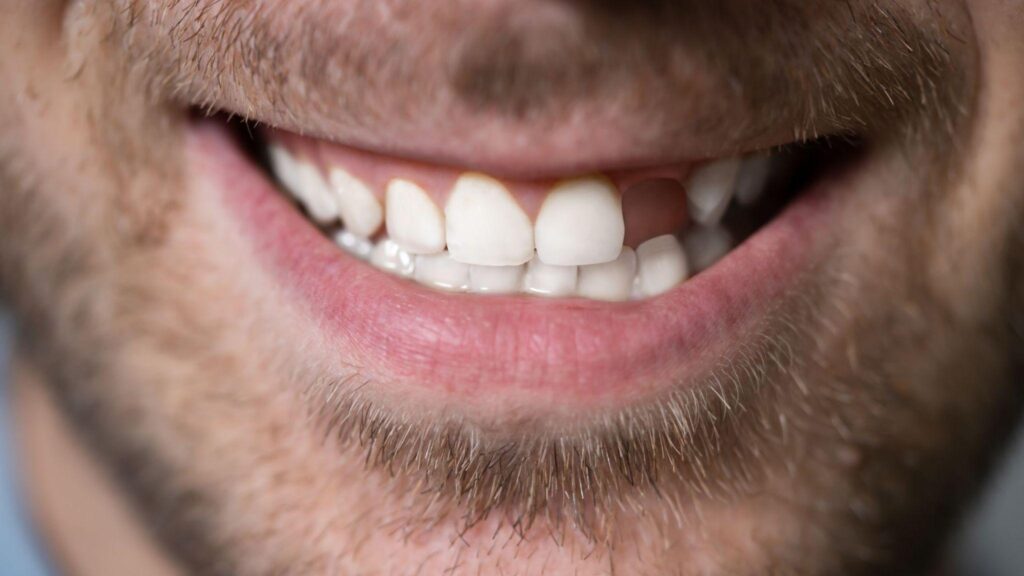
Yes. Opening bottles and packages with your teeth is bad for your teeth because prying and tearing concentrate force on enamel and can injure your mouth. A single attempt can chip or crack a tooth, and repeated use can wear or weaken teeth over time.
A bottle opener, scissors, or a package cutter gives you more control and keeps sharp edges away from your lips and gums. If a tooth feels different after you use it to open something, pay attention to changes in pain, pressure sensitivity, or how your teeth fit together, and contact a practice such as Revolution Dental Group if those changes persist.
What Damage Can Using Your Teeth as Tools Cause?
Using your teeth to pry or tear can damage enamel, dental work, and the soft tissues in your mouth. The force can land on one or two teeth, while a slipping cap or package edge can cut your gums or strain your jaw.
How Can Bottles and Packaging Chip or Crack Teeth?
A bottle cap or sealed package can put sudden, concentrated pressure on a tooth, leading to a chip, crack, or fracture. The risk rises when you twist a cap, bite down hard, or pull against a stubborn seal.
Small cracks may not cause immediate pain. Continued biting can make damage worse, and a larger fracture can expose sensitive inner tooth layers or leave a sharp edge that irritates your tongue.
Can This Harm Dental Work, Gums, or Your Jaw?
Yes. The force can loosen or break a filling, crown, veneer, bridge, or other dental work, especially if you bite down on a hard edge or twist against it. A restoration that shifts or feels high when you bite needs a dentist’s attention.
Slipping packaging or metal caps can scrape or cut your gums, lips, or the inside of your cheek. Forceful clenching and twisting can also strain your jaw muscles or aggravate jaw-joint discomfort.
What Should You Do if a Tooth Feels Different?
A new change in how a tooth feels after biting or prying deserves attention, especially if it comes with pain or sensitivity. Cracks can be hard to see, so track what triggers the sensation and contact your dentist if it persists or worsens.
Which Symptoms Can Signal a Crack?
A cracked tooth may cause sharp pain when you bite down or release your bite. You might also notice sensitivity to hot or cold foods and drinks, a rough edge, or discomfort that comes and goes during meals.
Use the other side of your mouth for chewing if biting causes pain, and avoid testing the tooth repeatedly. A mirror may help you spot a visible chip, but a crack can sit below the surface and remain difficult to see at home.
When Should You Contact a Dentist?
Call your dentist promptly for new pain, pressure sensitivity, a visible chip, or a tooth that feels loose or different when you close your mouth. Contact the office sooner if pain is worsening, swelling develops, or you have a bad taste in your mouth.
Seek urgent care for facial swelling that affects breathing or swallowing, or for bleeding that will not stop. If a piece of tooth breaks off, save it in a clean container and bring it to your dental appointment.
How Can You Break the Habit Safely?
You can reduce the habit by keeping opening tools close and making them the first thing you reach for. A consistent place for scissors and a bottle opener removes the need to improvise with your teeth.
Which Tools Should You Keep Within Reach?
Keep a bottle opener near drinks you open regularly, and store scissors or a safety cutter with household supplies. For packages, choose a cutter designed for opening boxes or plastic wrapping, and follow its safety instructions.
A small pair of scissors can handle tape, tags, and flexible packaging. Store sharp tools safely, especially around children, and put them back in the same spot after use.
What Should You Do Instead of Holding Items in Your Mouth?
Set the bottle or package on a stable surface so both hands can guide the tool. Hold the item firmly, point blades away from your body, and use short, controlled cuts through the packaging.
If you cannot reach an opener or cutter, pause and get one or ask someone nearby for help. Keep items such as wrappers, tags, and bottle caps out of your mouth while you work.
Keep Your Teeth for Chewing
Use an opener for bottles and scissors or a safety cutter for packaging; your teeth are not built to pry against hard caps or sealed edges. If you notice pain, sensitivity, a chip, or a change in your bite after using your teeth as tools, contact your dentist for an evaluation.