
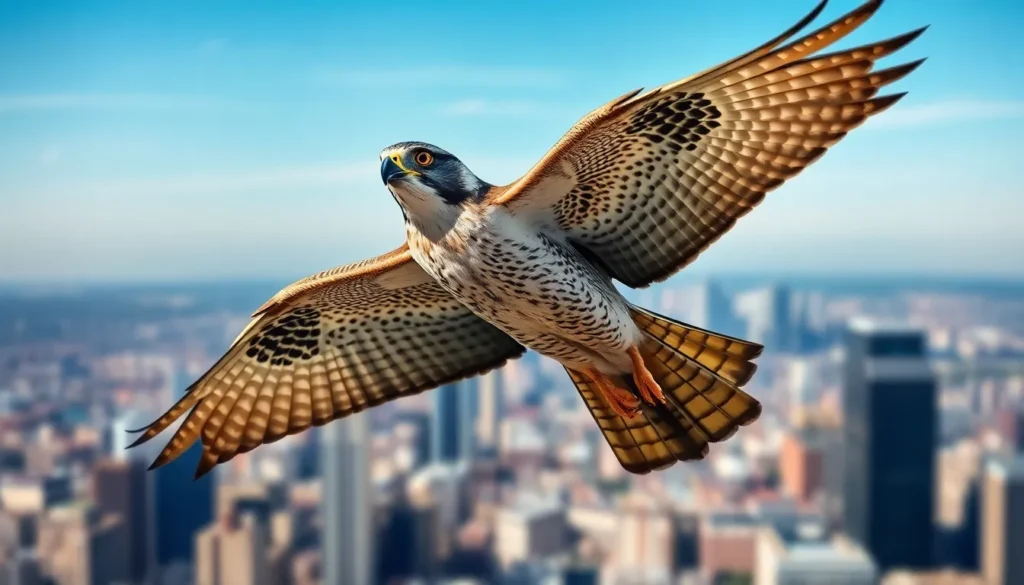
When it comes to dining, falcons don’t mess around. These feathered predators have a diet that would make any gourmet chef jealous. From plump pigeons to speedy rabbits, falcons are nature’s ultimate food critics, always on the hunt for the freshest catch. Their eating habits not only showcase their impressive hunting skills but also reveal fascinating insights into their behavior and ecology.
Falcon Diet
Falcons exhibit diverse dietary preferences that align with their predatory nature. Common prey includes small mammals, birds, and insects, reflecting their adaptability in various environments. Pigeons, being readily available in urban areas, often become a key dietary source. Rabbits provide substantial nourishment in rural settings, making them essential for falcons’ energy needs.
Hunting techniques also vary among species. Peregrine falcons, for instance, utilize high-speed dives known as stoops to catch avian targets mid-air. This method showcases their agility and precision, allowing them to conserve energy while hunting. Other falcon species, like the Merlin, prefer different strategies, often relying on surprise and stealth.
Feeding behaviors highlight another important aspect of their diet. Falcons often consume their prey immediately after catching it, ensuring freshness and nutrient retention. They use their sharp beaks to tear into flesh, quickly extracting necessary nutrients. This efficiency underscores their role as apex predators within their ecosystems.
Various factors influence dietary choices, such as habitat availability and season. During winter months, some falcons may shift their focus to alternative prey based on local populations. This flexibility permits them to thrive across diverse habitats, from deserts to forests. Overall, a falcon’s diet is vital for understanding its ecological relationships and survival strategies.
Primary Food Sources
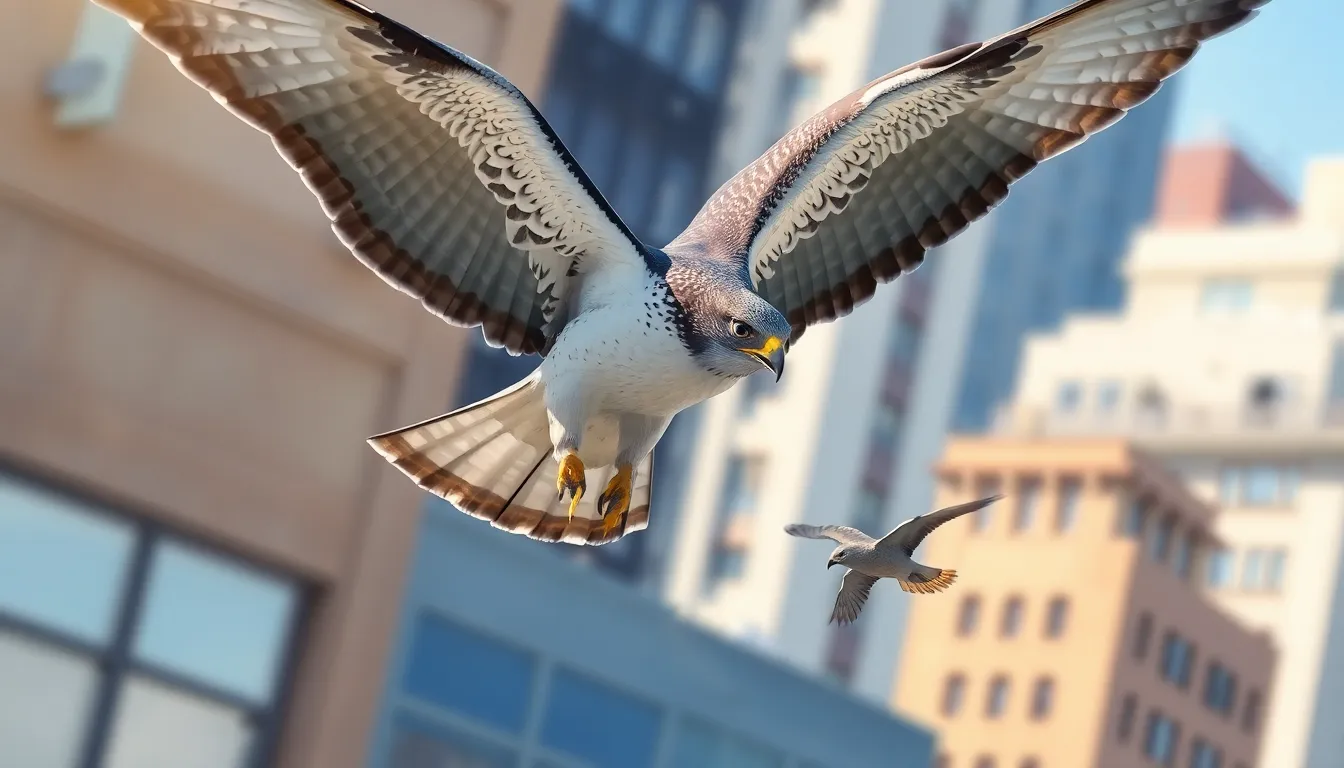
Falcons rely on various food sources, reflecting their adaptability and hunting prowess. Their diet consists primarily of small mammals, birds, and occasionally reptiles or amphibians.
Small Mammals
Small mammals constitute a significant portion of a falcon’s diet. Species like mice and voles often fall prey to falcons, providing essential nutrients. Urban environments may supply abundant opportunities for hunting these mammals. Falcons such as the Merlins frequently target these creatures due to their smaller size, making them an easy catch. In rural settings, where natural habitats thrive, rabbits serve as a vital energy source for larger falcons like the Prairie Falcon. They play a critical role in maintaining the ecological balance by regulating small mammal populations.
Birds
Birds represent one of the primary food sources for falcons. Common targets include pigeons, songbirds, and waterfowl, depending on the falcon species. The Peregrine Falcon, known for its incredible speed, excels in hunting avian prey during high-speed dives. Urban areas often provide ample pigeons, making them a staple in the diet of urban-dwelling falcons. Bird migration patterns also influence a falcon’s hunting opportunities. Seasonal changes create patterns of availability, ensuring falcons adapt their hunting strategies accordingly.
Reptiles and Amphibians
Reptiles and amphibians appear less frequently in a falcon’s diet but are still noteworthy. Species such as lizards or frogs occasionally provide a meal when other prey is scarce. Falcons tend to take these creatures mainly during warmer months when they are more active. Adaptability allows falcons to incorporate these food sources into their diet when needed. This dietary flexibility contributes to their survival in various habitats, showcasing their role as effective predators. In some regions, falcon species are known to hunt small snakes, further highlighting their diverse dietary preferences.
Hunting Techniques
Falcons exhibit remarkable hunting techniques that enhance their predatory skills. They rely on acute vision and extraordinary speed to capture prey efficiently.
Vision and Speed
Falcons possess incredible eyesight, allowing them to detect prey from impressive distances. They can spot small animals from up to 3 miles away. Speed plays a crucial role in their hunting style. The peregrine falcon, for instance, reaches speeds exceeding 240 miles per hour during a dive, making it the fastest bird on the planet. This combination of sharp sight and rapid flight enables them to seize opportunities quickly, ensuring successful hunts.
Strategies for Catching Prey
Different species of falcons employ various strategies to catch prey effectively. For example, the peregrine often engages in stooping, a technique where it dives toward prey from above. This method takes advantage of their aerial superiority. Other species, like the American kestrel, utilize perches to scout for insects or small mammals on the ground. Falcons also adjust their approach based on prey availability. In urban areas, they hunt birds like pigeons, while in rural settings, they may target rabbits or small rodents. This adaptability enhances their survival across diverse environments.
Nutritional Needs
Falcons require a balanced diet to thrive, highlighting the importance of specific nutritional components.
Protein Requirements
Protein serves as a vital component of a falcon’s diet. Experts identify that falcons consume approximately 15-20% of their body weight in food daily, primarily derived from protein sources. Small mammals, birds, and insects provide necessary amino acids. For instance, juvenile falcons particularly rely on higher protein levels for growth and development. As they mature, maintaining an adequate protein intake remains essential for their energy levels and overall health. Proven protein sources include pigeons, rabbits, and voles, which are rich in nutrients and support the demanding activities of these apex predators.
Water Intake
Water intake plays a significant role in the health of falcons. While falcons primarily obtain moisture from the prey they consume, the availability of fresh water impacts their hydration levels. On average, falcons can survive without direct water sources for extended periods due to the moisture in their diets. However, during dry seasons or in urban environments, access to freshwater can become crucial. Ensuring sufficient hydration contributes to optimal bodily functions, aiding in digestion and energy levels. In summary, a balanced intake of water is integral for falcon health, reflecting their adaptability to varied environments.
Impact of Environment on Diet
Environmental factors greatly influence a falcon’s diet and feeding habits. Habitat type and seasonal changes play key roles in determining food availability and preferences.
Habitat Variations
Different habitats dictate the types of prey accessible to falcons. Urban areas often provide ample opportunities to hunt for small mammals like mice and rats, while rural regions typically feature a greater abundance of rabbits and ground-nesting birds. Habitat alteration, such as deforestation or urban development, can impact food sources significantly. Falcons adapt their hunting strategies based on their surroundings, relying on their agility and keen senses to catch available prey. Environmental diversity leads to a range of hunting techniques, showcasing the falcon’s versatility in securing food.
Seasonal Changes
Seasonal changes directly affect prey availability for falcons. During migration periods, various bird species become more abundant, offering additional hunting opportunities. Winter often brings a decline in small mammal populations, prompting falcons to target alternative food sources, such as rabbits. Weather patterns also influence prey behavior, with harsher conditions making hunting more challenging. Feeding patterns shift with the seasons, necessitating adaptations in falcon hunting strategies to ensure survival. Less available prey in certain seasons highlights the falcon’s resilience and flexibility in dietary choices.
Conclusion
Falcons are remarkable predators with a diverse diet that underscores their adaptability and hunting prowess. Their ability to thrive in various environments highlights their ecological significance. By employing different hunting techniques and adjusting their diets based on food availability, falcons demonstrate resilience in the face of environmental changes. Understanding their dietary habits not only sheds light on their survival strategies but also emphasizes the intricate balance within ecosystems. As apex predators, falcons play a vital role in maintaining the health of their habitats, making their dietary needs and hunting behaviors essential areas of study for conservation efforts.