
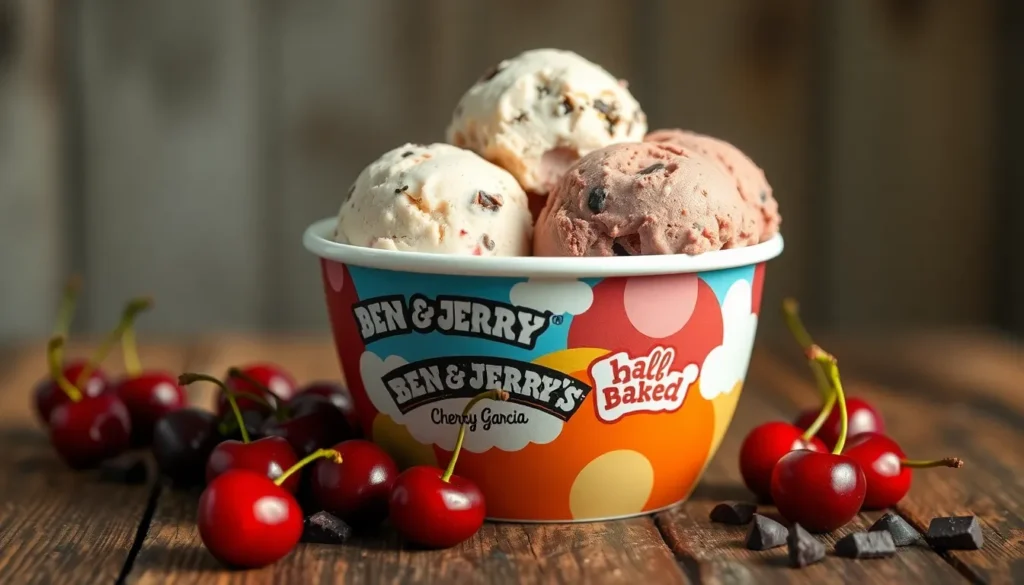
When it comes to ice cream, Ben & Jerry’s isn’t just a treat; it’s a lifestyle choice. With flavors that could make even the most disciplined dieter weak in the knees, it’s easy to forget that there’s more to this creamy goodness than just indulgence. But what about the nutrition? Can a scoop of Cherry Garcia really fit into a balanced diet, or is it just a delicious mirage?
Exploring the nutritional aspects of Ben & Jerry’s can be as delightful as tasting their famous chunks and swirls. From calorie counts that could rival your favorite snack to the surprising benefits of certain ingredients, this article dives into the world of Ben & Jerry’s nutrition. So grab a spoon and get ready to uncover whether this beloved ice cream brand can coexist with your health goals—because who says you can’t have your cake and eat it too?
Ben and Jerry’s Nutrition
Ben & Jerry’s ice cream combines taste with nutrition, creating options that can fit into a balanced diet. This section delves into nutritional values and ingredients.
Nutritional Values of Popular Flavors
Caloric content varies by flavor. For instance, a serving of Cherry Garcia contains approximately 250 calories, while Half Baked has around 320 calories. Sugar levels in these flavors also differ significantly: Half Baked contains about 29 grams of sugar per serving, whereas Cherry Garcia has around 24 grams. Aside from calories and sugar, protein content is noteworthy; flavors like Chocolate Fudge Brownie deliver 5 grams of protein per serving. Fiber content adds to the overall nutritional profile, contributing approximately 1 gram in certain varieties. These values reveal how moderation allows for enjoyment without sacrificing dietary goals.
Ingredients Used in Ben and Jerry’s
High-quality ingredients define Ben & Jerry’s ice cream. Cream and milk serve as the base, often sourced from local dairies. Chocolate and fruit add flavor and texture, while natural ingredients ensure freshness. The inclusion of fair-trade certified cocoa and sugar highlights their commitment to ethical sourcing. Cookie dough or brownies, commonly found in various flavors, enhance the indulgence factor. Stabilizers and emulsifiers, present in small amounts, help maintain consistency. Each ingredient contributes to the unique sensory experience that Ben & Jerry’s offers, aligning with a commitment to quality and transparency.
Understanding Ingredients and Nutritional Content
Ben & Jerry’s ice cream combines indulgence with nutritional awareness. The brand emphasizes ingredient quality and transparency, appealing to consumers who value both flavor and health.
Common Additives and Their Effects
Common additives enhance the texture and stability of Ben & Jerry’s products. Guar gum, for instance, acts as a thickener and prevents ice crystals from forming, resulting in a creamy texture. Carob bean gum also contributes to smoothness while adding minimal calories. Stabilizers like these improve the overall mouthfeel of the ice cream. Emulsifiers help blend ingredients evenly, ensuring a consistent experience in every scoop. These additives, though often questioned, play crucial roles in maintaining the ice cream’s quality and flavor integrity.
Sourcing of Ingredients
Sourcing of ingredients reflects Ben & Jerry’s commitment to sustainability. The brand partners with local dairies that prioritize humane treatment of animals. This creates a robust supply chain supporting ethical practices. Fair trade certified cocoa and sugar ensure that suppliers receive equitable compensation. Additionally, natural flavors from real fruits and high-quality chocolates set the brand apart from competitors. Ingredients contribute to unique flavor profiles, rooted in socially responsible practices, which resonate with conscious consumers.
Health Considerations
Ben & Jerry’s ice cream offers a unique balance of indulgence and nutrition. Understanding its health implications helps consumers make informed choices.
Caloric Content and Portion Sizes
Caloric content varies significantly among flavors. Cherry Garcia has about 250 calories per serving while Half Baked contains around 320 calories. Portion sizes typically equal 2/3 cup, representing a single serving. Maintaining moderation becomes essential when enjoying these treats to align with dietary goals. For instance, a serving of Chocolate Fudge Brownie includes approximately 5 grams of protein and 1 gram of fiber, contributing nutritional value without compromising enjoyment. Being mindful of these factors allows indulgence while staying on track with personal health objectives.
Nutritional Comparison with Other Ice Cream Brands
Comparing Ben & Jerry’s to other ice cream brands reveals distinctive qualities. Many competing brands feature lower calorie counts but may use artificial flavors or lower quality ingredients. In contrast, Ben & Jerry’s prioritizes ethical sourcing, using natural flavors from local dairies. Sugar content also varies; Half Baked has 29 grams per serving compared to Cherry Garcia’s 24 grams, which is relatively comparable to other premium brands. Overall, the rich textures and high-quality ingredients set Ben & Jerry’s apart, making it a suitable choice for those who prioritize both flavor and nutrition.
Dietary Preferences and Options
Ben & Jerry’s caters to a variety of dietary needs, ensuring everyone can indulge in their delicious ice cream. This brand emphasizes inclusion through its offerings.
Non-Dairy and Vegan Offerings
Non-dairy options from Ben & Jerry’s include flavors made with almond milk or coconut milk, appealing to those who follow vegan lifestyles. Popular options include Coconut Caramel and Peanut Butter Fudge, providing creamy textures without dairy. Each non-dairy pint maintains high quality with fair-trade certified ingredients, allowing consumers to enjoy rich flavors. Additionally, these flavors contain a similar calorie range as traditional ice creams, generally between 250 and 320 calories per serving.
Gluten-Free and Allergen-Friendly Choices
Several gluten-free flavors are available, ensuring safe options for those with gluten sensitivities. Options like Chocolate Chip Cookie Dough and Cherry Garcia meet gluten-free standards while delivering on taste. Ben & Jerry’s also provides detailed allergen information, clearly indicating potential cross-contamination risks. This dedication to transparency helps consumers make informed decisions while enjoying their favorite desserts without compromising health. Each gluten-free flavor retains the brand’s hallmark of quality and indulgence, making it a reliable choice for all.
Conclusion
Ben & Jerry’s ice cream stands out not just for its delightful flavors but also for its commitment to quality and ethical sourcing. With a variety of options that cater to different dietary needs and preferences, it offers something for everyone. The balance of indulgence and nutrition allows ice cream lovers to enjoy their favorite treats while staying mindful of their health goals.
By choosing Ben & Jerry’s, consumers can indulge in rich flavors made from high-quality ingredients without sacrificing their values. This brand’s focus on transparency and sustainability resonates with those who appreciate both taste and responsible sourcing. Enjoying Ben & Jerry’s can be part of a balanced lifestyle that celebrates both flavor and well-being.