
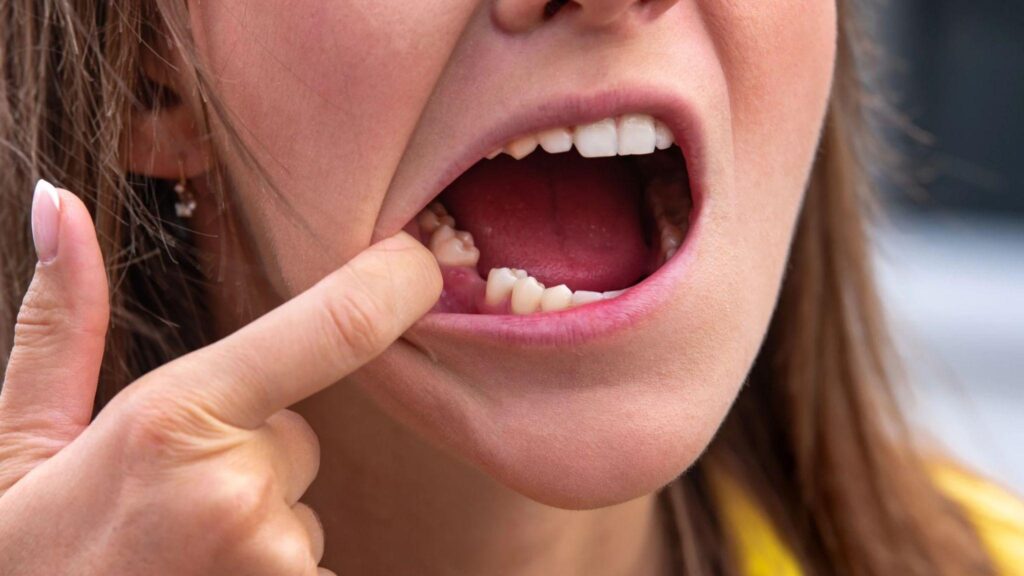
A newly loose adult tooth signals a change in its support or position, so you should contact a dentist promptly. Gum disease, an injury, or repeated grinding can loosen a tooth, and a dental exam can identify the cause and whether the tooth can be stabilized.
Treat the tooth gently while you arrange care. Prompt assessment gives your dentist a chance to address the cause and protect the tooth before the problem progresses. If the tooth cannot be saved, a practice such as Totally Implants can discuss replacement options with you.
What Can Cause an Adult Tooth to Loosen?
An adult tooth can loosen when the gums, bone, ligaments, or tooth itself are damaged. Gum disease is a common cause, while an impact or repeated pressure can also affect the tooth’s stability.
How Gum Disease Can Weaken Tooth Support
Gum disease can loosen a tooth by damaging the tissues and bone that hold it in place. Plaque buildup can irritate the gums, and untreated inflammation can progress below the gumline, where it affects the supporting structures.
You might notice gums that bleed during brushing, persistent bad breath, gum recession, or spaces developing between teeth. Advanced gum disease can cause movement even when the tooth itself has no visible damage. A dentist can assess the gum pockets and bone support, often with an exam and dental X-rays.
When an Injury or Accident Is to Blame
A blow to your mouth, a fall, or a sports injury can loosen a tooth by straining its ligaments or damaging its root. The tooth may feel mobile immediately, or movement may become noticeable after swelling settles.
Contact a dentist promptly after an impact, even if the tooth looks intact and you have little pain. Trauma can injure the root or the tissues around it without an obvious crack. If the tooth has shifted position, avoid pushing it back into place yourself.
Can Teeth Grinding Make a Tooth Loose?
Repeated clenching or grinding can put excess force on a tooth and strain its supporting ligaments. You might notice jaw soreness, headaches on waking, worn tooth surfaces, or a tooth that feels more mobile in the morning.
Those symptoms can point to grinding, but a dental exam is needed to confirm the cause of looseness. Your dentist can check your bite and discuss ways to reduce pressure, such as a custom night guard when appropriate.
How Bone Loss and Other Health Factors May Contribute
Bone loss around the tooth can reduce the support that keeps it stable. Gum disease is a leading cause of this loss, while smoking and poorly controlled diabetes can increase the risk of gum problems and make treatment more challenging.
Some health conditions and medications can affect oral health or bone metabolism, and hormonal changes can make gums more sensitive to inflammation. Tell your dentist about your medical history and medications so they can consider these factors alongside the dental exam.
What Should You Do If a Tooth Feels Loose?
Arrange a dental evaluation promptly, then protect the tooth from extra movement while you wait. A sudden change after an injury or a tooth that is becoming looser deserves same-day contact with a dental office.
When to Contact a Dentist
Call your dentist as soon as you notice new movement in an adult tooth. Explain when it began, whether you had an injury, and whether you have pain, swelling, bleeding, or a change in your bite. Those details help the office decide how quickly to see you.
If the tooth became loose after an accident, request an urgent appointment. A dentist can check for root damage and other injuries that are difficult to assess at home. Avoid waiting to see whether the tooth tightens on its own.
How to Protect the Tooth Before Your Appointment
Keep pressure off the tooth until your dentist examines it. Choose soft foods, chew on the other side, and avoid hard, crunchy, or sticky foods that could move it further.
Do not wiggle the tooth with your tongue or fingers, and do not try to glue or splint it yourself. Brush gently with a soft-bristled toothbrush and keep the area clean. If an injury caused bleeding or swelling, apply a cold compress to the outside of your cheek.
Signs That Need Urgent Dental Attention
Seek urgent dental care if the tooth shifted after a blow, pain is severe, or swelling is increasing. A knocked-out adult tooth requires immediate dental attention; keep it moist in milk or in a tooth-preservation solution while you seek care, and handle it by the crown if you can.
Heavy bleeding, facial swelling that spreads, fever, or difficulty swallowing or breathing requires urgent medical attention. Call 911 for trouble breathing or swallowing. These symptoms can signal an injury or infection that needs rapid treatment.
How Do Dentists Treat a Loose Adult Tooth?
Your dentist treats a loose tooth by addressing the cause and supporting the tooth when it has a reasonable chance of recovery. The plan may involve gum treatment, reducing bite pressure, or stabilizing the tooth after an injury.
Treating Gum Disease and Reducing Pressure
When gum disease is contributing to looseness, your dentist may recommend a deep cleaning below the gumline to remove plaque and hardened deposits. Follow-up care helps control the infection and monitor gum pockets and bone support.
If grinding or an uneven bite is adding pressure, your dentist can assess how your teeth meet and recommend steps to reduce that force. A custom night guard may protect teeth during sleep. Treatment depends on the source and extent of the damage.
Stabilizing a Tooth After an Injury
A dentist may reposition a tooth that has shifted and attach it to neighboring teeth with a temporary splint. This support limits movement while the injured tissues heal, and your dentist will set a follow-up schedule to check stability.
Your dentist may also test the tooth’s nerve and take X-rays to look for root or bone damage. If the inner tissue is injured, root canal treatment may be needed. Follow the care instructions closely and avoid biting with the affected tooth while it heals.
When Extraction or Tooth Replacement May Be Needed
If the tooth has lost substantial support or has damage that cannot be repaired, your dentist may recommend extraction. The decision follows an exam of the tooth, its root, and the surrounding bone.
If removal is needed, ask about replacement options such as a dental implant, bridge, or partial denture. Your dentist can explain which options suit your oral health and the condition of the neighboring teeth and bone.
Prompt Dental Assessment Helps Protect Your Tooth
A newly loose adult tooth needs prompt evaluation because treatment depends on what caused the movement and how much support remains. Contact your dentist, protect the tooth from pressure, and seek urgent care for severe symptoms or a dental injury.