
Here’s a confession. I used to think foot pain was just part of life. Long days meant sore feet. End of story. Turns out, I was wrong.
More people are waking up to a simple truth—our feet weren’t built for the shoes we’ve been cramming them into. They’re designed to move, flex, and actually feel the ground. Crazy concept, right?
So if you’re curious about leaping minimalist sandals, let me share what’s actually waiting on the other side.
Why Your Feet Are Begging for Change
Here’s something wild. Each foot packs 26 bones, 33 joints, and over 100 muscles into a relatively small package. That’s serious engineering. Yet we stuff them into rigid boxes and call it footwear.
Most traditional sandals come with baggage:
- Chunky soles that block any ground feedback
- Straps that pinch toes together like sardines
- Raised heels throw your whole body off-kilter
- So-called arch support that does the opposite over time
What happens? Feet get lazy. Knees start complaining. Your whole body forgets how movement should feel.
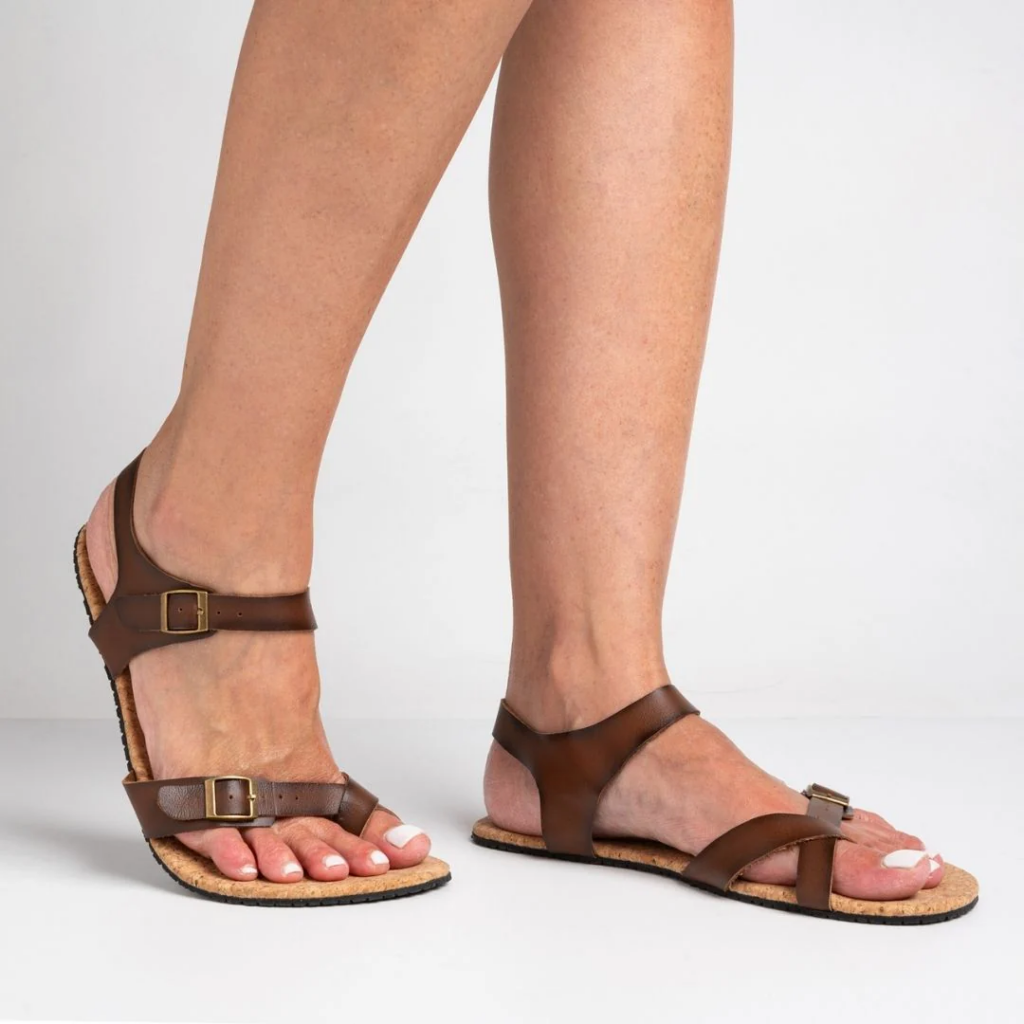
Minimalist sandals take a different approach altogether. Zero-drop design. Room for toes to spread out. Flexible soles that bend when you do. Think of it as getting out of your feet’s way.
The First Few Days: A Learning Curve Worth Taking
I won’t sugarcoat this. Week one might feel weird. Your feet have probably spent years—decades even—wrapped in cushioned prisons. Those muscles? Completely out of shape.
Strapping on barefoot-style sandals is like waking up muscles that have been napping for ages. They might grumble a bit.
Here’s the typical timeline people report:
Days 1-3: Suddenly, you’re aware of every sidewalk crack and pebble. Calves might feel tight. This is normal.
Days 4-7: Things start clicking. Balance gets noticeably better. Friends might comment that you’re standing differently.
Weeks 2-4: Now we’re talking. Foot strength builds. That wobbly uncertainty? Gone. Replaced by something that feels like confidence rooted deep in the ground.
Go slow. Seriously. An hour here, a short walk there. Your body knows how to adapt—just give it breathing room.
How to Choose the Right Minimalist Sandals
Not gonna lie. Some barefoot sandals nail the function but look like something your grandfather rejected. Others are gorgeous but might as well be regular shoes underneath.
Finding sandals that deliver both? That’s the goal.
Keep these on your checklist:
- Zero-drop sole: Heel and toes sitting level. Non-negotiable.
- Wide toe box: Toes deserve space to do their thing
- Bendable construction: If you can’t fold it easily, skip it
- Light on your feet: Heavy defeats the whole purpose
And please—don’t sacrifice style. Looking good and feeling good aren’t mutually exclusive. Not anymore.
To view the complete Barefoot Sandals collection, click here: https://rutsubarefoot.com/collections/barefoot-sandals. These designs actually prove you can have performance and aesthetics living under the same roof.
Long-Term Benefits That Keep You Coming Back
People who commit to minimalist sandals? They rarely switch back. The reasons pile up over time.
Feet get legitimately stronger. Your proprioception—a fancy word for body awareness—sharpens like you wouldn’t believe. Plenty of folks mention their chronic knee issues or nagging back pain finally easing up.
Musicians swear by them. Standing onstage for three-hour sets gets way more bearable when feet can breathe and move naturally. Athletes dig the ground connection during training sessions.
But honestly? The best part is harder to describe. There’s something almost meditative about actually feeling the earth under your soles. Like reconnecting with something humans had for thousands of years before modern shoes complicated everything. A return to roots, quite literally.
Switching to minimalist sandals goes beyond just changing what’s on your feet. It’s choosing to invest in how your entire body moves and feels daily. Your feet have waited long enough for this kind of freedom.
Maybe today’s the day you finally give it to them.
FAQs About Transitioning to Minimalist Sandals
How long does it take to adjust to barefoot sandals?
Give yourself two to four weeks. Start with short periods—maybe an hour daily—then build from there. Rushing this process never ends well. Your feet will tell you when they’re ready for more.
Can I wear minimalist sandals if I have flat feet?
Absolutely. Here’s the interesting part—many flat-footed folks find their arches actually get stronger over time. That said, chat with a healthcare provider if you’ve got specific concerns worth addressing.
Are minimalist sandals suitable for all-day wear?
Once you’ve transitioned properly? Yes. The trick is the gradual buildup during early weeks. After adaptation, most people find these more comfortable than traditional footwear for extended periods.
Will I feel every pebble and rock?
You’ll definitely feel more. That’s kind of the point. But quality minimalist sandals still protect your soles while keeping that ground connection intact. Walking shouldn’t hurt.