
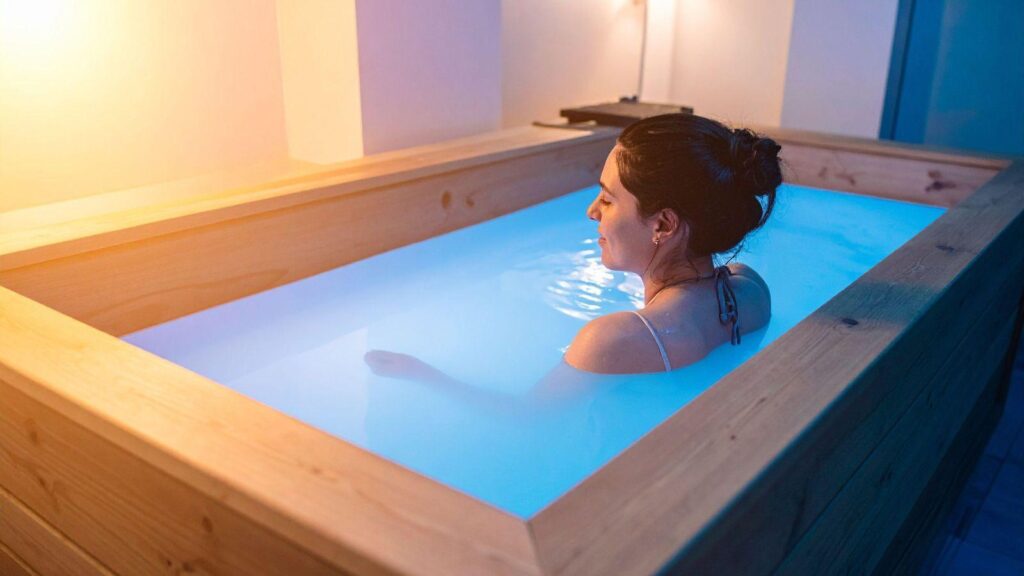
Cold water immersion has been used in sports recovery for generations. What has changed is the precision with which it can be applied – and the gap between a proper pro cold plunge pod and a makeshift ice bath is wider than most people realize until they have used both. The question is not whether cold exposure works. It does, and the research is clear on that. The question is whether your setup delivers that stimulus consistently enough, cleanly enough, and at the right temperature to produce the results that serious recovery demands.
A bucket of ice water chills the skin. A pro-grade cold plunge pod delivers a controlled, repeatable physiological stimulus. The difference between those two descriptions is not marketing language – it is a meaningful distinction in what your body actually experiences during immersion and how reliably those experiences produce adaptation over time. For athletes who use cold therapy casually, the distinction may not matter much. For anyone using cold plunge as a structured performance tool, it matters considerably.
Precise Temperature Control and Why It Changes Everything
The most fundamental difference between a pro cold plunge pod and any ice-based alternative is active temperature control. A pro-grade unit with a dedicated chilling system holds your water at a specific target temperature – within one to two degrees of your set point – for the entire duration of your session and across every subsequent session that follows. The cold stimulus your body receives on Monday is the same stimulus it receives on Friday, assuming you use the same settings. That repeatability is the foundation of progressive cold exposure training.
Ice-based setups start with a temperature that depends on how much ice you added, the starting water temperature, the ambient temperature of the room, and the size of the vessel. That temperature changes continuously throughout the session as the ice melts and the water warms. You might begin at 48 degrees and finish at 58 degrees, or begin at 55 and finish at 63. You simply do not know – and you cannot control it. For casual cold exposure, that variability is manageable. For athletes trying to build progressive cold tolerance and measure the outcomes of their recovery protocol, it is a significant limitation.
Water Sanitation – The Factor Most People Do Not Think About Until It Matters
Water maintained at cold temperatures in a vessel used for human immersion requires active sanitation to remain safe across repeated sessions. The 50 to 60 degree Fahrenheit range is actually an environment where certain bacteria can survive and accumulate over time if the water is not properly treated. Ice baths refreshed between every session and kept scrupulously clean minimize this risk, but most DIY setups do not achieve that standard in practice.
A quality pro cold plunge pod includes integrated filtration and sanitation systems – typically multi-stage filtration combined with UV or ozone treatment – that manage water quality continuously without requiring significant manual maintenance between sessions. You fill the unit, set your temperature, and the system handles water quality on an ongoing basis. Most quality pods allow water to remain in the unit for extended periods – weeks or months – with proper filtration running, rather than requiring full draining and refilling after every use.
Structural Design Built for Daily Immersion
A pro cold plunge pod is engineered specifically for repeated full-body human immersion under cold conditions. Interior surfaces are non-porous and smooth to resist microbial adhesion. Wall insulation maintains water temperature between sessions without requiring the chilling unit to run continuously at full capacity. The entry and exit design accounts for safe movement into and out of cold water, where physical coordination is naturally reduced due to the cold shock response.
DIY setups – stock tanks, chest freezers, large totes – were not designed for this use case. Their surfaces, seals, and structural properties were engineered for agricultural, food storage, or storage applications rather than repeated human immersion. The difference shows up in maintenance requirements, surface degradation over time, and the practical experience of using the unit daily. A purpose-built pod holds up to that daily use without creating ongoing maintenance burdens that reduce how consistently you actually use it.
The Recovery Outcomes That Precision Makes Possible
When your cold plunge delivers a consistent temperature every session, you can begin tracking how your body responds to specific cold stimuli over time. You can observe how your cold shock breathing response changes across four weeks of consistent practice. You can note how post-immersion alertness and mood track across different temperature and duration combinations. You can identify the session parameters that produce the best next-day recovery for your specific training style.
This data-driven approach to cold therapy is what separates serious practitioners from casual users, and it is only possible when the equipment is precise enough to produce repeatable conditions. Athletes who track their cold plunge sessions alongside their training data consistently report finding a sweet spot of temperature, duration, and session timing that produces noticeably better outcomes than random cold exposure. A pro-grade pod is what makes that optimization possible in a home environment.
The Nervous System Benefits of Controlled Cold Exposure
Regular cold immersion at a controlled temperature may support meaningful improvements in nervous system regulation capacity over time. Each session places the sympathetic nervous system under a controlled, acute stress and then requires deliberate regulation of that stress response – slowing the breath, reducing heart rate voluntarily, maintaining composure despite a powerful physiological signal to exit the cold. This practice builds what many sports psychologists and performance coaches describe as stress inoculation capacity.
Athletes who cold plunge consistently report improvements in how they handle high-pressure situations outside the pod – greater composure under competitive stress, faster recovery from errors or setbacks during performance, and improved emotional regulation across high-load training periods. The mechanism is the same one that produces the acute physiological benefits of cold immersion: deliberate engagement with and regulation of a powerful stress response. Controlled temperature is what makes that stress consistent, progressive, and trainable.
Sizing and Setup for a Home Cold Plunge Pod
Pro cold plunge pods for home use are designed to allow full-body immersion with legs extended or comfortably bent and shoulders submerged. The internal dimensions should accommodate your full height from feet to shoulders without forcing an uncomfortable posture that reduces immersion quality or session duration. Before purchasing, measure your height and compare against the pod’s internal dimensions to confirm a comfortable fit, particularly if you are above average in height.
For installation, you need a water supply for filling, a drain for water management, and an appropriate electrical connection for the chilling unit. Most home installations work in a garage, basement, or covered outdoor space. The chilling unit generates some heat exhaust, so adequate ventilation around the unit is important for efficient operation. Manufacturers typically provide detailed installation specifications that should be reviewed before purchase to confirm your intended location meets the requirements.
For athletes who are ready to move from improvised cold exposure to a purpose-built performance tool, Dialed Labs offers pro cold plunge pods engineered for daily use – with active temperature control, integrated sanitation, and the structural quality that makes consistent, precise cold therapy a realistic part of your long-term recovery routine.
Frequently Asked Questions
How is a cold plunge pod different from a regular bathtub filled with cold water?
A pro cold plunge pod maintains a precise, consistent temperature through active refrigeration, which a bathtub cannot do. Bathtub water warms quickly without a chilling system, making consistent cold exposure sessions impractical. Cold plunge pods also include integrated filtration and sanitation systems designed for repeated immersion, and are sized and shaped specifically for comfortable full-body submersion rather than the shallower, narrower dimensions of a standard bathtub.
Can I keep a cold plunge pod outdoors year-round?
Many cold plunge pods are designed for both indoor and outdoor installation, though exposure to direct sunlight, freezing temperatures, and precipitation varies by model and brand specifications. Review the manufacturer’s environmental ratings before installing outdoors, and ensure the chilling unit is protected from direct weather exposure. A covered outdoor space such as a patio or garage is typically the best outdoor installation option for year-round use.
How much does it cost to run a cold plunge pod electrically?
Operating costs depend on the chilling unit’s wattage, your target water temperature, ambient conditions, and local electricity rates. Most quality cold plunge pods with well-insulated tubs use between 300 and 700 watts during active chilling cycles. Running costs for most home users fall in the range of 30 to 80 dollars per month depending on usage frequency and local utility rates, though actual costs vary based on the specific unit and environment.
How often do I need to change the water in a cold plunge pod?
With a properly functioning filtration and sanitation system, most cold plunge pod manufacturers recommend full water changes every one to three months under regular use conditions. Maintaining the recommended chemical levels, running the filtration system continuously, and showering before immersion sessions all extend the safe water life between changes. Without adequate filtration, more frequent water changes may be necessary.
Does the size of the cold plunge pod affect recovery outcomes?
Pod sizing affects comfort and immersion quality, which in turn affects how consistently and how long you can maintain sessions. A pod that is too small forces an uncomfortable posture that limits immersion depth and reduces session quality. A properly sized pod that allows full-body submersion from shoulders to feet in a natural position supports longer, more consistent sessions – and session quality and duration both contribute to the physiological outcomes cold immersion produces.