
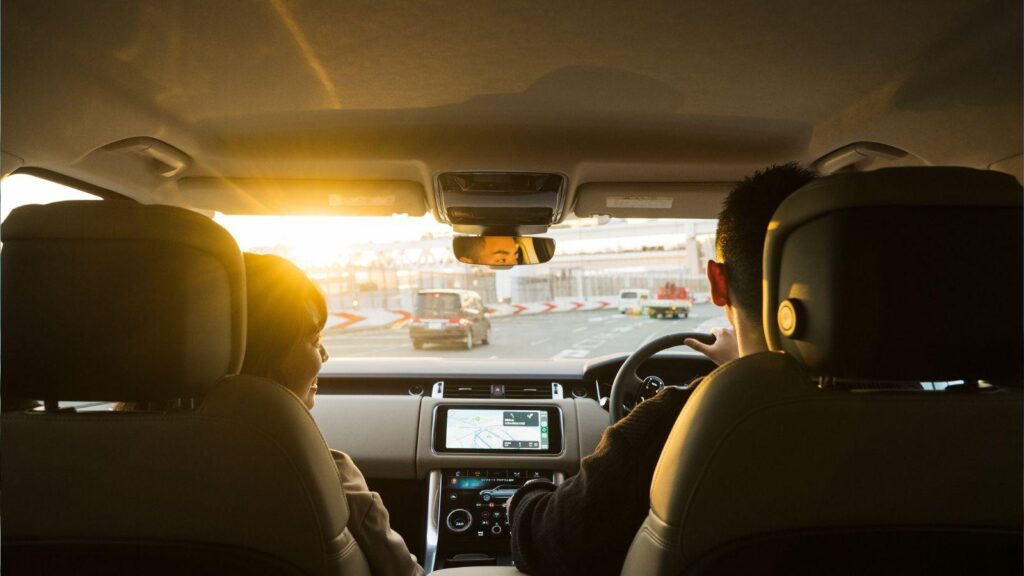
The modern world relies heavily on technology to make daily life simpler. In a major hub like Atlanta, residents use smartphones to bypass the headaches of parking and navigation. With a single tap on a screen, a vehicle arrives at your location within minutes. Ridesharing apps like Uber have changed how people travel across Fulton County, whether they are commuting to an office in Midtown, meeting friends for dinner in Buckhead, or heading to Hartsfield-Jackson International Airport. This convenience has altered the local transportation landscape, giving people an easy alternative to driving themselves. However, if a journey across town ends in a sudden collision, passengers often face sudden injuries, confusing insurance rules, and mounting medical bills. Consulting an experienced Atlanta Uber passenger attorney early in the recovery process can help victims secure their legal protections before evidence disappears.
However, as these tech platforms grow and vehicle volume increases, new questions surface regarding public safety and corporate responsibility on Georgia roads. For many individuals, these apps provide a deep feeling of security. They eliminate the need to navigate heavy traffic or face crowded parking decks. Yet, recent studies highlight the growing safety challenges on local roads. For example, a consumer research analysis reported by WABE News ranked the metro Atlanta area as the eighth worst region for traffic congestion in the United States, pointing out a high rate of fatal car crashes alongside long daily commute times.
When an individual steps into a rideshare vehicle, they place their trust in a vast digital network and an unknown driver. If that journey ends in a crash on a busy route like Peachtree Street, understanding who is responsible becomes a difficult task. Anyone dealing with injuries from a local collision needs to understand how corporate insurance rules change based on the status of the app.
The Dynamics of Urban Transportation Networks
The business structure of a technology network company is vastly different from traditional transit models like municipal buses or traditional taxi fleets. Regular taxi companies in the metro area usually own their vehicles and hire drivers as formal employees. These companies must follow strict city regulations, carry specific commercial insurance policies, and maintain consistent mechanical safety checks. Technology network companies operate as digital intermediaries. They connect independent car owners with individuals who need a ride around town.
This decentralized structure creates several unique variables for local passengers. Because drivers use their personal vehicles, the state of maintenance can vary wildly from one car to the next. Tire wear, brake conditions, and general mechanical safety are largely left up to the individual owner. Furthermore, the screening processes for these digital platforms are often handled remotely through automated systems rather than thorough, in-person interviews. This hands-off approach sometimes allows individuals with poor driving habits to access the platform, creating hidden risks for unsuspecting passengers who assume every driver has been fully vetted.
Traffic congestion is another major issue linked to the rise of rideshare vehicles in urban centers. Research published in PLOS ONE indicates that the deployment of these services can lead to increased traffic congestion in densely populated urban counties, which in turn elevates the overall risk of motor vehicle accidents (Brazil & Kirk, 2020). As dozens of rideshare vehicles circle busy blocks near Lenox Square or Piedmont Park waiting for a match, the sheer volume of cars on the road rises. This extra traffic increases the probability of errors, sudden stops, and multi-vehicle collisions at notorious intersections.
Navigating the Multi-Layered Insurance System
The biggest challenge in a rideshare accident is the complex insurance structure. Unlike a typical two-car accident on Interstate 85 where standard personal policies cover the damage, a rideshare incident involves a sliding scale of liability. The insurance coverage changes depending on what the driver was doing at the exact moment of the crash.
- The App is Closed: If a driver is operating their vehicle with the application turned off, they are considered a private motorist. If an accident happens during this window, only their personal auto policy applies.
- Waiting for a Request: When a driver opens the app and sets their status to active but has not accepted a trip, the technology company provides contingent liability coverage. This coverage only activates if the driver’s personal insurance policy completely denies the claim.
- The Trip is Active: The moment a driver accepts a match or has a rider in the vehicle, a primary one-million-dollar commercial liability insurance policy takes effect. This policy remains active until the passenger exits the vehicle at their destination.
While a one-million-dollar policy sounds like a secure safety net, securing a payout is rarely straightforward. Corporate insurance adjusters work hard to protect their financial interests. They often look for specific loopholes to reduce their liability. For instance, an insurance company might argue about the exact second the app was turned on, or try to shift the blame onto another motorist involved in the pileup. If multiple passengers are injured in the same vehicle, that single insurance policy must be divided among everyone, which can leave individuals facing unpaid hospital bills.
Comparative Fault and Georgia Legal Protections
When an accident happens on a high-speed road like Interstate 285 or at a complex intersection like Moreland Avenue and Glenwood Road, determining fault is rarely simple. Multiple factors like speeding, distracted driving, and sudden lane changes often combine to cause a crash. In these scenarios, states use specific legal rules to distribute financial responsibility among the involved parties.
Georgia utilizes a legal rule known as modified comparative negligence. Under this system, an injured individual can still recover financial compensation even if they bear some responsibility for the accident, provided their share of the blame is below fifty percent. However, the final financial award is reduced by their exact percentage of fault. For example, if a court decides an individual is ten percent responsible for the circumstances surrounding their injury, their final payout will be reduced by ten percent.
Because of this rule, insurance adjusters frequently try to exaggerate an injured person’s level of fault. They might use recorded statements, initial police reports, or medical history to claim the victim contributed to their own injuries. Navigating these tactics requires a clear understanding of traffic laws and a detailed investigation into the physical evidence from the crash scene.
The Importance of Prompt Action
The period immediately following a vehicle collision is often chaotic and overwhelming. Dealing with emergency medical treatments at local facilities like Grady Memorial Hospital, managing diagnostic tests, and handling unexpected time away from work can cause immense stress. Despite these difficulties, taking immediate action is vital for preserving legal rights and protecting critical evidence.
Every state enforces a strict deadline for filing personal injury lawsuits, known as the statute of limitations. In Georgia, individuals generally have a two-year window from the exact date of the accident to initiate legal proceedings. Failing to file the correct paperwork within this timeframe means losing the legal right to seek compensation forever.
Acting quickly also ensures that volatile digital evidence is preserved. Rideshare companies track every trip using precise GPS data, speed monitoring software, and internal app logs. This digital trail can prove exactly how fast a vehicle was traveling through a busy zone and whether the driver was distracted by their phone at the time of impact. However, this data is held by the tech corporation and can be difficult to access without formal legal requests. Waiting too long to secure this information increases the risk that vital data logs will be overwritten or erased.
Moving Forward Safely
Technology will continue to shape how people travel through the city. While ridesharing platforms offer undeniable convenience for avoiding traffic and navigating hot spots, users must remain aware of the inherent risks that come with stepping into a stranger’s vehicle. True safety requires a combination of robust corporate regulations, responsible driving practices, and an understanding of legal rights. By staying informed about how the insurance system works and acting quickly after an incident, passengers can protect themselves against unexpected financial and physical hardships.