
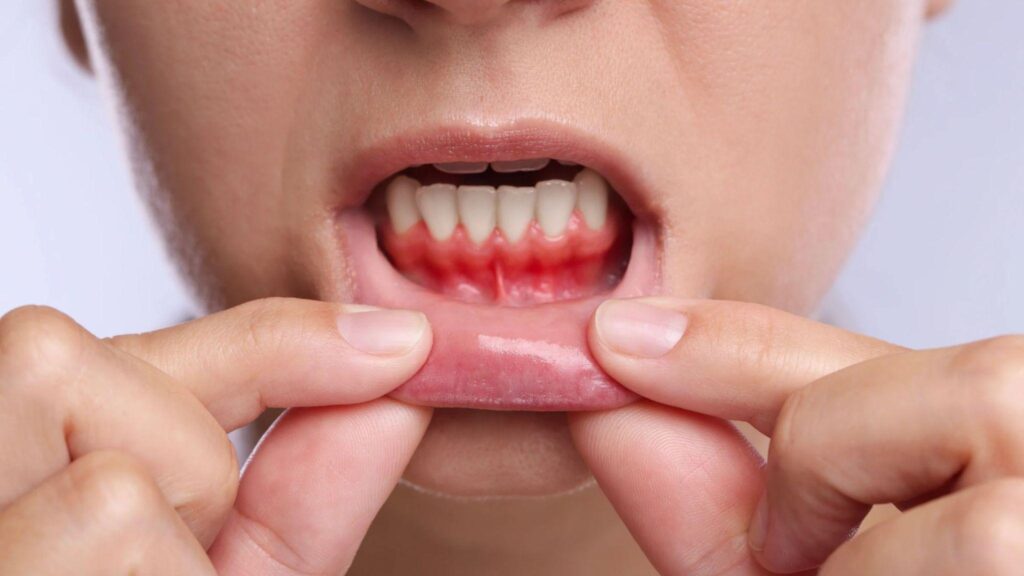
For cosmetic reshaping of excess or uneven gum tissue, laser contouring often causes less bleeding and post-procedure discomfort than scalpel surgery, especially when you need a limited soft-tissue adjustment. You still receive local anesthesia, and your comfort and healing depend on how much tissue your dentist removes and whether the procedure includes deeper work.
A laser can seal small blood vessels as it shapes the gumline, which often means less bleeding and no stitches for a straightforward contouring procedure. Your cosmetic dentist in Mauston, WI needs to confirm that the concern is excess gum tissue and that reshaping alone will address it.
How Does Laser Gum Contouring Compare With Traditional Surgery?
Laser contouring and scalpel surgery can both reshape gum tissue, while their tools and effects on the treatment area differ. For a limited cosmetic procedure, laser treatment often involves less bleeding and fewer sutures; a scalpel gives your dentist a direct cutting method that can suit more extensive work.
How the Laser and Scalpel Techniques Work
With laser contouring, your dentist directs focused light energy at the gum tissue to remove or reshape it. The laser also heats the treated area, sealing small blood vessels as the tissue is adjusted. You receive local anesthesia, so you remain awake while the area is numb.
With scalpel surgery, your dentist uses a blade to cut and shape the gumline. The procedure also uses local anesthesia. Your dentist may place sutures to close the treated area, depending on how much tissue is removed and the shape of the surgical site.
|
Comparison |
Laser contouring |
Scalpel surgery |
|
Main instrument |
Focused light energy |
Surgical blade |
|
Bleeding |
Often limited |
May be more noticeable |
|
Sutures |
Often unnecessary for limited reshaping |
May be needed |
|
Treatment scope |
Soft-tissue shaping |
Soft-tissue shaping; can support broader surgery |
Differences in Bleeding, Stitches, and Tissue Removal
The laser’s sealing effect can reduce bleeding during a limited contouring procedure. With a scalpel, your dentist manages bleeding through standard surgical techniques, and stitches may help close the area or support healing. Your exact treatment plan determines whether sutures are needed.
Both methods remove gum tissue. Laser energy allows your dentist to shape the soft tissue with precision, while a scalpel provides direct access for cutting. If your treatment requires work beyond the gum surface, such as reshaping bone, the procedure involves additional surgical steps. A laser does not make those steps unnecessary.
What Does Recovery Feel Like?
After laser contouring, you may notice tenderness as the anesthetic wears off, and a small cosmetic treatment often has a shorter, milder recovery than more extensive gum surgery. Your dentist’s aftercare instructions help protect the healing tissue.
Typical Tenderness and Healing Time
For a limited laser procedure, you may have mild soreness for a day or two. The treated gum can feel sensitive while the surface heals, and your dentist will explain what to expect based on the area treated. Scalpel surgery can involve more soreness and a longer healing period when it requires incisions or sutures.
Follow your dentist’s instructions for eating, cleaning your teeth, and taking any recommended medication. Soft foods can reduce irritation during the early healing period. Keep the area clean as directed, and contact your dental office if you develop severe or increasing pain, persistent bleeding, or signs of infection.
Why Comfort and Recovery Vary by Procedure
The size and location of the treated area affect how your recovery feels. A small adjustment to the visible gumline places less demand on healing than treatment across several teeth or surgery that also addresses deeper gum structures.
Your health, the condition of your gums, and how closely you follow aftercare guidance also affect healing. Ask your dentist how much tissue will be removed, whether sutures are expected, and when you can return to your normal brushing and eating routine.
Who Is a Candidate for Laser Gum Contouring?
You may be a candidate when excess or uneven gum tissue changes your smile and your dentist confirms that soft-tissue reshaping can address the cause. Your gums should be healthy enough for cosmetic treatment.
Cosmetic Gum Shaping Versus Periodontal Disease Treatment
Cosmetic contouring reshapes the visible gumline, such as when excess tissue makes your teeth look short or the gum edges appear uneven. Your dentist checks your gum health and the shape of your teeth before recommending removal. A gummy smile can also relate to tooth position, jaw structure, or lip movement, so removing gum tissue alone may not resolve every cause.
Treatment for periodontal disease has a different goal: controlling infection and protecting the tissues that support your teeth. Your dentist assesses pocket depth, gum attachment, and bone health to choose an appropriate treatment. Laser contouring for appearance does not replace care for active gum disease.
When Traditional Surgery May Be More Appropriate
Your dentist may recommend traditional surgery when the treatment involves extensive tissue removal, access to deeper areas, or bone reshaping. These procedures require a plan matched to the amount and location of the tissue involved.
If gum disease has affected the supporting structures around your teeth, your periodontist will recommend treatment based on the disease and the condition of your gums and bone. Ask whether the proposed procedure is cosmetic contouring, periodontal treatment, or a combination, and what each step is intended to address.
The Right Choice Depends on the Gum Issue
Laser contouring is a strong option for limited cosmetic reshaping when your gums are healthy and the planned treatment involves soft tissue. Its ability to seal small blood vessels can mean less bleeding and fewer stitches, with mild tenderness for many people.
Traditional surgery remains useful for procedures that require broader access or work beyond surface gum tissue. Before choosing, ask your dentist what is causing the gumline concern, whether bone work is involved, and what recovery steps your specific procedure requires.