
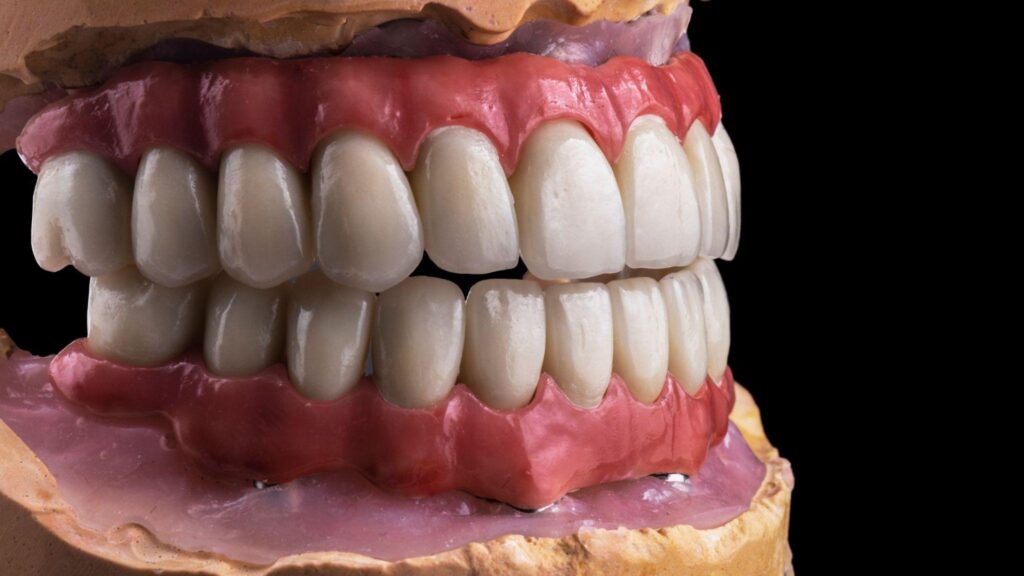
You can keep healthy teeth with full-arch treatment when they have reliable support, can be maintained, and fit a stable restorative plan. Full-arch treatment replaces a complete upper or lower row of teeth, so treatment in one arch does not automatically require removing teeth in the other.
Keeping a few natural teeth can preserve useful chewing function and avoid irreversible extractions. If you’re considering full mouth implants in Inglewood, CA, your dentist needs to assess each tooth and how it fits into the final design, since a retained tooth can affect the type of restoration you receive and how you clean it.
When Can Healthy Teeth Stay?
You can keep a tooth when its condition and position support a durable, maintainable result. The key questions are how the whole arch is functioning and whether the individual tooth can remain healthy over time.
Why the Whole-Mouth Outlook Matters
A tooth-by-tooth assessment helps you see whether your dental problems are limited or part of a wider pattern. Your dentist will consider the number and location of missing teeth, repeated repairs, gum disease, decay, and how your bite distributes force.
A few healthy teeth may remain valuable even when other teeth in the same arch need replacement. Their location and stability can help with chewing, and they may be preserved as part of a plan that restores other areas. Your clinician should explain how those teeth affect the design and cleaning of your restoration.
Your other arch also belongs in the plan. If your upper teeth are failing while your lower teeth remain stable, treatment can focus on the upper arch while you continue caring for the lower teeth. The two arches still need to work together comfortably when you bite.
When a Tooth Is Savable but Not Predictable
A tooth can be treatable yet carry a guarded long-term outlook. Deep decay, a crack, repeated infection, extensive prior dental work, or advanced bone loss can make its future less reliable, even when a procedure could preserve it for now.
Ask what treatment the tooth needs, what problems could recur, and how its prognosis compares with the rest of your plan. A root canal and crown, for example, may restore a tooth with enough sound structure and support. A split root or very limited remaining tooth structure can make restoration impractical.
Keeping a tooth also brings follow-up and maintenance needs. If its condition could compromise a larger restoration or require repeated urgent care, ask your dentist to explain that risk alongside the benefits of retaining it.
How Do Dentists Decide Which Teeth to Keep?
Your dentist evaluates each tooth’s support, health, stability, and role in the bite before recommending preservation or removal. Your ability to clean the planned restoration and attend ongoing maintenance also contributes to the decision.
Bone Support, Gum Health, and Tooth Stability
Healthy gums and adequate bone help anchor natural teeth. Your dentist can assess gum measurements, inflammation, bone levels on dental images, and tooth movement to judge whether the support is sufficient.
A tooth with gum disease may still be maintainable when treatment controls inflammation and you can keep the area clean. Your dentist should explain the amount of support remaining and the steps needed to maintain it. Mobility, persistent infection, or significant bone loss can lower the tooth’s outlook.
The tooth itself needs enough healthy structure to withstand everyday chewing. Your clinician may check for cracks, decay beneath old fillings or crowns, and signs of infection. If you are uncertain about a tooth’s prognosis, ask whether an endodontist or periodontist should assess it before you decide.
Bite, Existing Dental Work, and Long-Term Maintenance
Your bite and the placement of existing restorations affect how forces reach your teeth and any implant-supported replacement. A tooth that takes excessive force or sits in a position that complicates the restoration may need a different treatment plan from a stable, well-positioned tooth.
Your dentist should review crowns, bridges, fillings, and prior root canal treatment. The amount of sound tooth structure and the condition of the supporting tissues help determine whether existing work can remain or needs repair.
Cleaning access is part of the design. You need to reach beneath and around a full-arch restoration, and you need to clean any retained teeth and gumline each day. Ask your care team to show you the tools and techniques required for your specific design, along with the professional maintenance schedule.
When Is a Full-Arch Plan With Retained Teeth Practical?
A full-arch plan with retained teeth is practical when the teeth being kept have a reasonable prognosis and the restoration can be designed for stable function and cleaning. The approach may involve treating one arch while preserving the other, or using a modified design when teeth remain in the arch being restored.
Treating One Arch While Keeping Teeth in the Other
You can receive full-arch treatment in one jaw while keeping healthy teeth in the opposite jaw. For example, if one arch has widespread damage and the other has stable teeth with healthy supporting tissues, your plan can address the failing arch and preserve the other.
Your dentist still needs to check how the two arches meet. The bite should allow comfortable chewing and avoid placing harmful forces on natural teeth or implants. Planning both arches together helps your clinician account for tooth position, bite contacts, and the restorative space available.
You will have separate care needs for the implant restoration and your natural teeth. Follow the cleaning instructions for both, and keep regular checkups so your dentist can monitor the restoration, gums, and remaining teeth.
Balancing Tooth Preservation With a Stable Result
Keeping teeth within an arch that needs full-arch treatment can change the restoration design. A fixed full-arch implant bridge is built to replace the complete row, so retained teeth may require a different arrangement, such as individual restorations or another prosthetic design.
Ask your dentist to compare the proposed plans in practical terms: what stays, what is removed, how you will clean each design, and what repairs or maintenance it requires. A plan that preserves a tooth should also account for access around that tooth and its effect on the restoration’s fit and function.
Your consent should reflect the expected benefits and limits of each option. If a tooth’s long-term outlook is uncertain, ask what monitoring or future treatment would involve and how that would affect the full-arch result.
Choose the Plan That Keeps Healthy Teeth Predictable
Choose a plan that preserves teeth with a sound prognosis and gives you a clear maintenance path. Before treatment, ask for a tooth-by-tooth assessment, an explanation of how retained teeth change the restoration, and the expected care for both natural teeth and implants.
If you are considering removal of teeth that appear healthy, ask your dentist to explain the clinical reason for each extraction and whether another design can preserve them. A second opinion from a restorative dentist, periodontist, or oral surgeon can help you compare plans before an irreversible decision.