
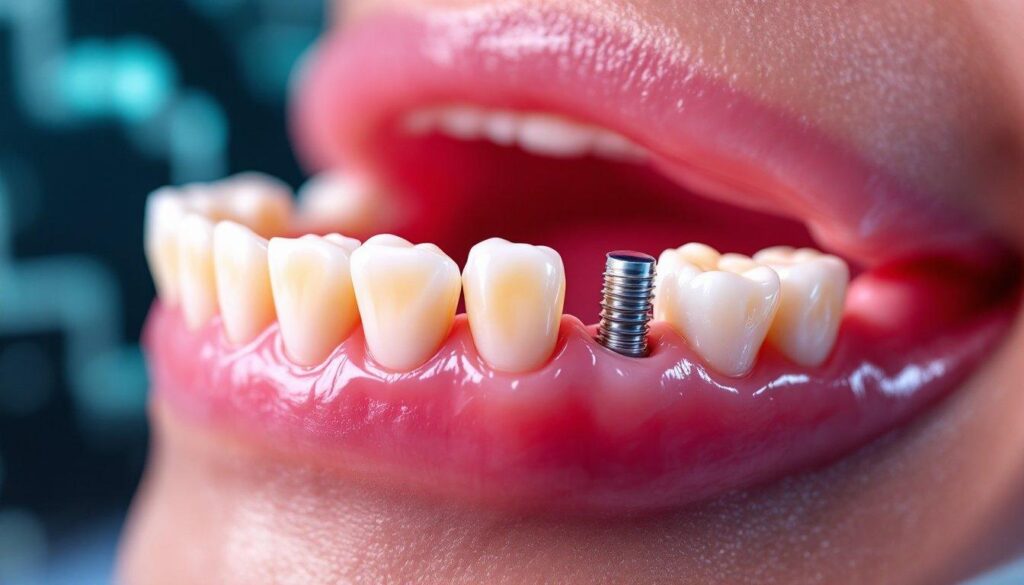
Immediate loading gives you a temporary implant-supported tooth shortly after surgery if the implant is secure enough; delayed loading allows your jawbone to heal before a tooth is attached to the implant. With either approach, your permanent restoration comes after the implant has integrated with the bone.
If you are considering same day dental implants in Pembroke Pines, the appeal of leaving with a tooth right away is clear. The important distinction is how much pressure the new implant can safely handle while it heals.
What Is the Difference Between Immediate and Delayed Loading?
Loading describes when a restoration is attached to an implant. Immediate loading places a temporary restoration within about 48 hours of surgery; delayed loading waits for a healing period that commonly lasts several months.
|
Treatment detail |
Immediate loading |
Delayed loading |
|
Temporary implant tooth |
Within about 48 hours |
After healing |
|
Pressure during healing |
Carefully restricted |
Implant remains unloaded |
|
Permanent restoration |
After integration |
After integration |
When Is a Temporary Tooth Attached?
With immediate loading, your dentist attaches a provisional crown or bridge on surgery day or soon afterward. For a front tooth, that can preserve your appearance while the implant heals. The provisional is shaped to limit biting pressure, and you will receive specific instructions about what to eat.
With delayed loading, the implant heals before it supports a tooth. You may have a healing cap at the gumline or a removable temporary tooth during that interval. The choice depends on the location of the gap and whether a temporary appliance can be worn without pressing on the surgical site.
Why Does Healing Still Matter with Immediate Loading?
Your jawbone needs time to bond with the implant through a process called osseointegration, even when a temporary tooth is already attached. Excessive movement during this period can interfere with that bond.
A same-day provisional therefore comes with limits. You may need a soft diet, careful cleaning around the surgical area, and regular checks of your bite. Your dentist will replace the provisional with the final restoration only after confirming that healing has progressed sufficiently.
How Is Loading Different from Implant Placement?
Placement is the surgery that puts the implant into your jaw. Loading is the later step of attaching a restoration that the implant supports.
These timelines are separate. An implant can be placed on the day a tooth is extracted and still follow a delayed-loading plan. Likewise, an implant placed after an extraction site has healed may qualify for immediate loading if it is secure at surgery.
Who Is a Candidate for Each Loading Timeline?
Immediate loading is considered when the implant has strong initial stability and the planned temporary tooth can be protected from excessive force. Delayed loading gives your dentist more healing time when stability, bone conditions, or health factors call for caution.
How Do Implant Stability and Bone Quality Affect the Decision?
Your dentist evaluates the amount and density of bone using an examination and imaging, often including a 3D scan. During placement, the surgeon also assesses how firmly the implant engages the bone. That surgical finding helps determine whether attaching a provisional is appropriate.
The position of the implant affects the plan. A single back tooth faces substantial chewing forces, while a temporary front tooth can sometimes be shaped to avoid direct contact during biting. For a full-arch restoration, connected implants can share forces, though each case still requires a stability assessment.
When Do Grafting or Health Risks Favor Delayed Loading?
Bone grafting can make delayed loading the safer choice when the implant needs additional support as the graft heals. Active gum disease also needs attention because healthy surrounding tissue supports long-term implant care.
Your dentist will review factors that affect healing, including tobacco use, poorly controlled diabetes, and medications that influence bone health. Tell your team about medical treatment involving your jaw or head and neck area, as well as any habit of heavy clenching or grinding. Those details help them plan the surgical and restoration timelines together.
Can the Loading Plan Change on Surgery Day?
Yes. A plan for an immediate temporary tooth can change if the implant does not achieve the expected stability during surgery. Your dentist may leave it unloaded and use another temporary-tooth option while healing proceeds.
Ask about this possibility before your appointment, especially if you need a visible front tooth replaced. Knowing which temporary appliance is available and whether it requires a separate fitting makes a change in plan easier to manage.
What Should Pembroke Pines Patients Expect During Treatment?
You should expect a consultation and imaging before surgery, a healing period after placement, and follow-up visits before the permanent tooth is fitted. The loading plan determines what you wear during healing and how soon the implant supports a temporary restoration.
What Can You Wear While the Implant Heals?
If you receive an immediate provisional, it may be a fixed temporary crown or bridge attached to the implant. You will need to follow the prescribed eating instructions so the restoration remains protected.
With delayed loading, options may include a removable partial denture, a clear retainer with a replacement tooth, or a temporary bridge. Your dentist should check the fit of any removable appliance after surgery. Pressure on the implant area or sore gum tissue is a reason to contact the office for an adjustment.
How Do Recovery and the Final Restoration Differ?
Early recovery from implant surgery involves the surgical site, regardless of the loading timeline. Follow your instructions for cleaning, food, and activity, and attend follow-up visits so your dentist can assess the gums and implant.
The larger timeline difference is when a tooth begins to rest on the implant. Immediate loading provides a provisional early; delayed loading commonly waits several months before that step. Both approaches end with a separately fitted final crown, bridge, or full-arch restoration after your dentist confirms adequate healing.
What Should You Ask About Costs and the Backup Plan?
Request a written estimate that separates the implant surgery from the temporary and final restorations. Ask whether the quote includes imaging, extraction, grafting, the abutment, and follow-up appointments, since the services in a treatment plan affect its total cost.
Also ask what happens financially and practically if immediate loading becomes delayed loading on surgery day. Confirm the cost of an alternative temporary tooth, when it would be ready, and how a change would affect your appointment schedule. Your dental insurance plan may cover individual services differently, so check benefits against the itemized estimate.
Choosing the Safer Timeline for Your Implant
Choose immediate loading when your dentist confirms sufficient implant stability and a provisional that you can protect during healing. Choose delayed loading when the implant or surrounding tissue needs more time before bearing a restoration.
Before surgery, make sure you know your planned temporary-tooth option, eating restrictions, and the backup plan if stability is lower than expected. Those details give you a workable path to the final restoration under either timeline.