
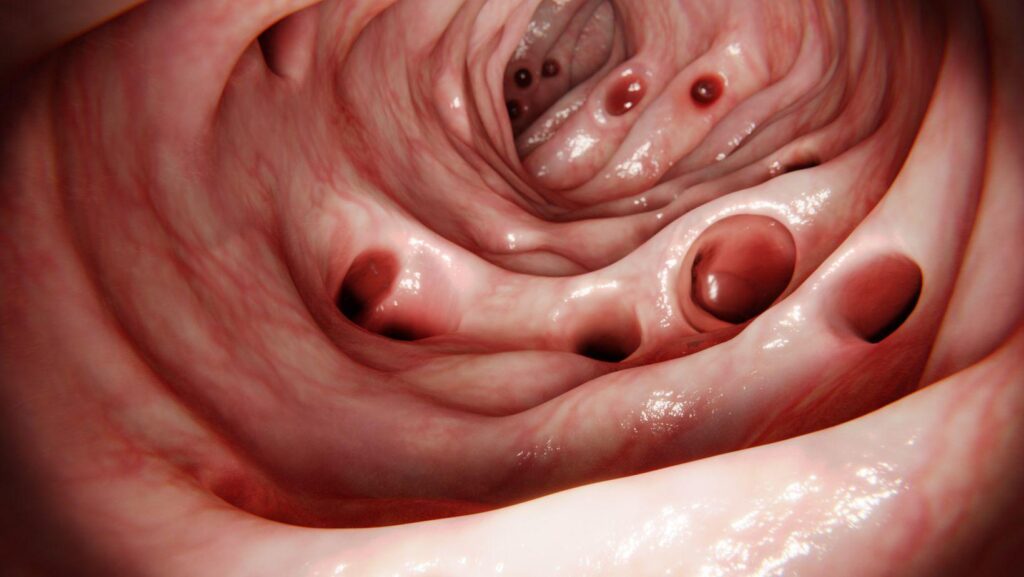
Diverticular disease affects the large intestine and becomes increasingly common with age. It involves small pouches, known as diverticula, developing in weakened areas of the colon wall. Many people with diverticula have no symptoms, but when these pouches become inflamed or infected, the condition is known as diverticulitis.
While some cases can be managed with medication and dietary changes, more serious episodes can lead to complications requiring hospital treatment or surgery. Understanding the symptoms and seeking appropriate medical assessment can help determine the most suitable treatment approach.
For patients considering Diverticulitis treatment in Singapore with Dr Leong Quor Meng, Advanced Colorectal and General Surgery provides assessment and treatment for diverticular disease, including medical management and surgical care when clinically required.
What Is Diverticular Disease?
Diverticula are small pouches that form in the wall of the colon. They can develop when pressure within the bowel acts on weaker areas of the intestinal wall.
The presence of diverticula without inflammation or infection is known as diverticulosis. Many people with diverticulosis have no noticeable symptoms and may only discover the condition during a colonoscopy or CT scan.
Diverticular disease refers to situations where the diverticula are associated with symptoms. Diverticulitis occurs when one or more diverticula become inflamed or infected.
Age is an important risk factor, while other factors described by the clinic include a low-fibre diet, obesity, smoking, lack of physical activity, constipation and increased pressure within the colon.
Symptoms of Diverticulitis
Diverticulitis can produce more pronounced symptoms than uncomplicated diverticulosis. Abdominal pain is one of the most common symptoms and may be persistent or severe. The pain is often located in the lower left side of the abdomen, although it can occur elsewhere.
Other symptoms can include:
- Fever and chills
- Constipation or diarrhoea
- Nausea and vomiting
- Loss of appetite
- Abdominal bloating and gas
- Rectal bleeding in more severe cases
The clinic notes that diverticulitis symptoms tend to be more intense than those associated with uncomplicated diverticulosis.
Persistent or severe abdominal pain, particularly when accompanied by fever or changes in bowel habits, should be medically assessed rather than assumed to be a simple digestive problem.
What Causes Diverticulitis?
The exact cause of diverticular disease is not completely understood. However, several factors have been associated with its development.
A low-fibre diet can contribute to constipation and harder stools, potentially increasing pressure within the colon. Ageing is another important factor because diverticula become more common as people get older.
The clinic also identifies obesity, smoking, lack of exercise, genetics and certain lifestyle factors among factors associated with diverticular disease.
Maintaining healthy bowel habits, adequate hydration, regular physical activity and an appropriate diet can form part of long-term management, although individual recommendations should be discussed with a medical professional.
Complications of Diverticulitis
Most people with diverticular disease do not require surgery. However, diverticulitis can sometimes progress to more serious complications.
These can include:
Abscess
An abscess is a collection of infected fluid or pus that can develop around an inflamed diverticulum. Larger or severe abscesses may require drainage.
Stenosis
Repeated inflammation and scarring can narrow part of the bowel. This narrowing, known as stenosis, can interfere with the normal passage of bowel contents and may contribute to obstruction.
Fistula
A fistula is an abnormal connection between the bowel and another organ or tissue. Depending on its location, it can produce different symptoms and may require surgical treatment.
Peritonitis
If an inflamed or infected diverticulum ruptures, bowel contents can enter the abdominal cavity and cause peritonitis. This is a serious medical emergency requiring immediate treatment.
Prompt assessment is therefore particularly important when symptoms become severe or complications are suspected.
How Is Diverticulitis Diagnosed?
Diagnosis generally begins with a medical history and physical examination. The doctor will consider the patient’s symptoms, their duration and whether there have been previous episodes.
Blood tests may be used to look for signs of inflammation or infection. Imaging is also important when diverticulitis is suspected.
A CT scan of the abdomen and pelvis can help identify diverticula and determine whether complications such as an abscess or perforation are present. The clinic also describes colonoscopy as a method of examining the inside of the colon and identifying diverticula or other conditions.
The appropriate investigation depends on the patient’s symptoms and clinical circumstances.
Medical Treatment for Diverticulitis
Treatment depends on the severity of the episode.
For selected mild cases, treatment may include dietary modifications, pain relief and antibiotics where prescribed. The clinic’s published information also describes a clear-liquid diet during an acute episode, followed by a temporary low-fibre diet and gradual return to a higher-fibre diet as symptoms improve.
More severe cases may require hospitalisation, intravenous fluids and antibiotics. When an abscess develops, percutaneous drainage may be performed by a radiologist. Once the infection has been controlled, surgery may sometimes be planned electively.
Treatment should therefore be guided by the severity of the condition rather than assuming that every episode requires surgery.
When Is Surgery Needed?
Surgery is generally reserved for complicated, severe or recurrent diverticulitis and situations where other treatment has not been sufficient.
The surgical procedure described by the clinic is a colectomy, which involves removing the affected section of the large intestine. It may be required for complications such as fistulas, peritonitis or bowel obstruction.
The decision to operate depends on factors such as the patient’s symptoms, complications, previous episodes and overall medical condition. A colorectal surgeon can assess these factors and explain whether surgical treatment is appropriate.
Minimally Invasive Colorectal Surgery
When surgery is required, the surgical approach depends on the individual case. Laparoscopic surgery is a minimally invasive technique performed through small incisions using specialised instruments and a camera.
Dr Leong Quor Meng has specialised training in laparoscopic and robotic colorectal surgery. The clinic also states that he performs Single Incision Laparoscopic Surgery (SILS), a minimally invasive approach that uses a single access point in selected procedures.
However, minimally invasive surgery is not automatically appropriate for every patient. The severity of the disease, previous operations, anatomy and complications all influence surgical planning.
Diverticulitis Treatment in Singapore with Dr Leong Quor Meng
Diverticulitis treatment in Singapore with Dr Leong Quor Meng is available through Advanced Colorectal and General Surgery at Mount Alvernia Hospital. Dr Leong is a general and colorectal surgeon with more than two decades of experience. According to the clinic, he graduated from the University of London in 2000, obtained membership with the Royal College of Surgeons of Edinburgh in 2003 and began Advanced Specialist Training in 2005. He passed his fellowship examinations in 2008.
In 2010, Dr Leong received an MOH HMDP scholarship to train in laparoscopic and robotic colorectal surgery at Korea University under Professor Kim Seon Hahn. He has also performed more than 10,000 diagnostic and therapeutic endoscopic procedures and performs both minimally invasive and open surgery depending on the clinical requirements.
His practice includes diverticular disease alongside other colorectal conditions, with diagnosis and treatment planned according to each patient’s circumstances.
When Should You See a Colorectal Specialist?
Not every episode of abdominal discomfort indicates diverticulitis. However, persistent abdominal pain, fever, recurrent bowel changes or rectal bleeding should be medically evaluated.
Patients who have already been diagnosed with diverticular disease may also benefit from specialist assessment when symptoms recur or become more severe. Early evaluation can help determine whether conservative management remains appropriate or whether further investigation is required.
For patients seeking Diverticulitis treatment in Singapore with Dr Leong Quor Meng, the approach begins with understanding the condition and its severity before deciding between dietary management, medication, drainage, hospital care or surgery when necessary.
The key objective is to treat the current problem while also identifying and managing complications that could affect long-term bowel health.