

Do you clench your jaw during a busy day? Do you wake up with a sore face after grinding your teeth at night? If so, you may have noticed your neck and shoulders feel tight too. The jaw, neck, and shoulders are closely wired together. They are not separate parts working alone. They share muscles, nerves, and movement patterns. Tension in one area tends to travel to another.
Why the Jaw and Neck Are So Closely Linked
The jaw joint sits just in front of your ears. It is known as the temporomandibular joint, or TMJ. It works with a group of muscles. These muscles also connect to your skull, neck, and upper back. Sometimes these muscles stay tight for long periods. This can happen from stress. It can happen from poor posture. It can happen from habits like grinding your teeth. When this happens, the strain does not stop at the jaw. It travels along the same muscle chains. From there, it reaches the neck and shoulders.
Nerve pathways contribute to this connection. The trigeminal nerve controls feeling and movement in the jaw. It sits close to nerves that serve the upper neck. These nerve networks overlap. Because of this overlap, pain signals from the jaw can be felt in the neck. Sometimes they reach the shoulders too. This is called referred pain. It is a normal part of how your nervous system works. It is not a sign that something unusual is happening.
Common Signs That Jaw Tension Is Spreading

People with ongoing jaw tension commonly notice a mix of symptoms. It is rarely just one clear problem. These signs can include:
- A stiff or aching jaw, especially first thing in the morning
- Clicking or popping sounds when opening or closing the mouth
- Headaches that start near the temples or behind the eyes
- Tight or sore muscles at the top of the shoulders
- A general feeling of tension across the upper back and neck
These symptoms show up in different places. As a result, many treat them as isolated issues. They might see one person about headaches. They might consult someone else about shoulder pain. They would seldom link both back to jaw tension.
How Daily Habits Play a Part
Stress is one of the biggest triggers for jaw clenching. Most of us do it without noticing. Long hours at a desk add strain. Looking down at a phone does the same. So does sitting with rounded shoulders. All of these put extra load on the muscles that support the head and jaw. Over time, the body adapts to these positions. The muscles around the jaw, neck, and shoulders get used to staying switched on. They stay tense even when they should be resting.
Teeth grinding, often called bruxism, compounds the problem. This usually happens during sleep, which people usually don’t notice. A dentist might point out worn teeth. A partner might mention the sound. The clenching repeats through the night. It keeps the jaw muscles working overnight. This can leave the neck and shoulders feeling stiff by morning.
What Can Help
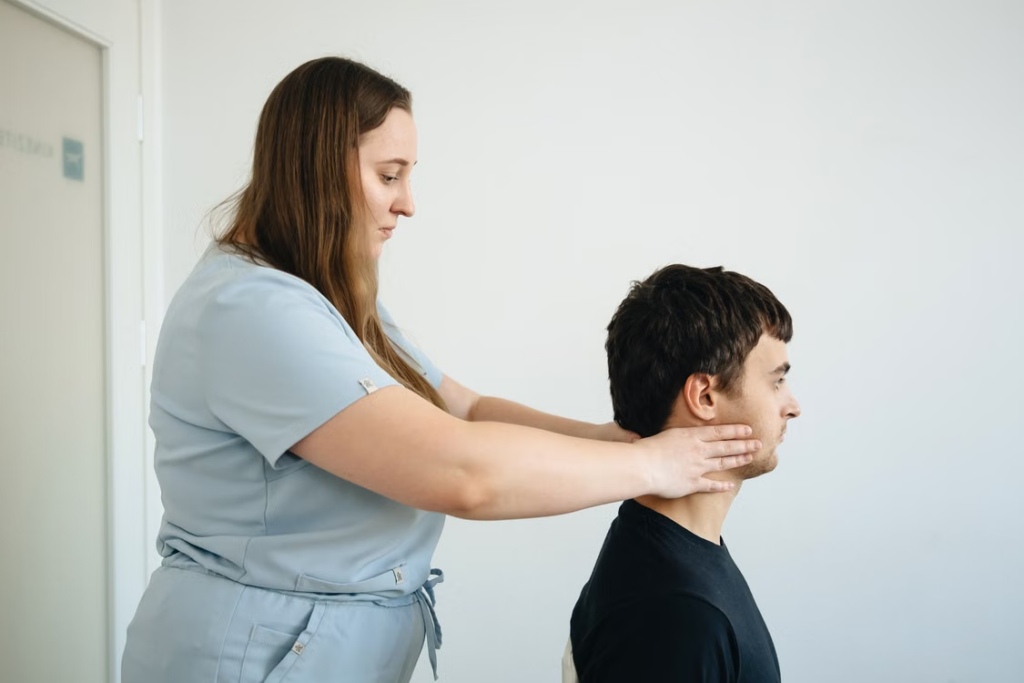
Simple changes can ease jaw tension before it spreads further. Try gentle jaw stretches. Practise mindful breathing. Take short breaks from screens during the day. Each of these can reduce the strain building up in these muscles. A warm compress on the jaw and neck area may also help loosen tight muscles.
For some, professional support delivers better, longer-lasting results. Osteopaths look at the body as a connected system. They do not treat each joint or muscle on its own. This whole-body approach makes osteopathy a useful option. It suits people experiencing jaw tension along with neck and shoulder discomfort. It works because it examines how these areas affect one another, rather than treating each area in isolation.
Practices such as Croydon Osteopath often see this pattern. Their neck and shoulder pain traces back to jaw tension. Many patients had not linked the two before. Gentle hands-on techniques can help. So can posture guidance. Together, these can release tightness across the jaw, neck, and shoulders. They treat these areas as connected rather than as standalone problems.
If you are thinking about seeking treatment, it helps to know a few facts first. Osteopaths in the UK are trained and regulated professionals. The General Osteopathic Council regulates osteopaths nationwide. It keeps a register of practitioners. These practitioners meet set standards of safety and training. The NHS also offers guidance on osteopathy. It explains what the treatment involves. It also explains when it might suit you. This is a helpful starting point if you are new to this type of care.
Looking After the Whole Area Around the Jaw
Jaw tension does not stay in one place for long. The muscles, nerves, and joints in this region connect directly to the neck and shoulders. This can lead to tightness in one spot that shows up as discomfort elsewhere. Pay attention to your posture. Manage your stress levels. Seek help when symptoms persist. Each of these steps can make a real difference to how your jaw, neck, and shoulders feel day to day.
Small steps add up over time. Stretch during the day. Rest your jaw when you can. Stay mindful of how you hold your head and shoulders. If the tension does not ease on its own, speak with a qualified professional. This is a sensible next step to work out what is going on.