
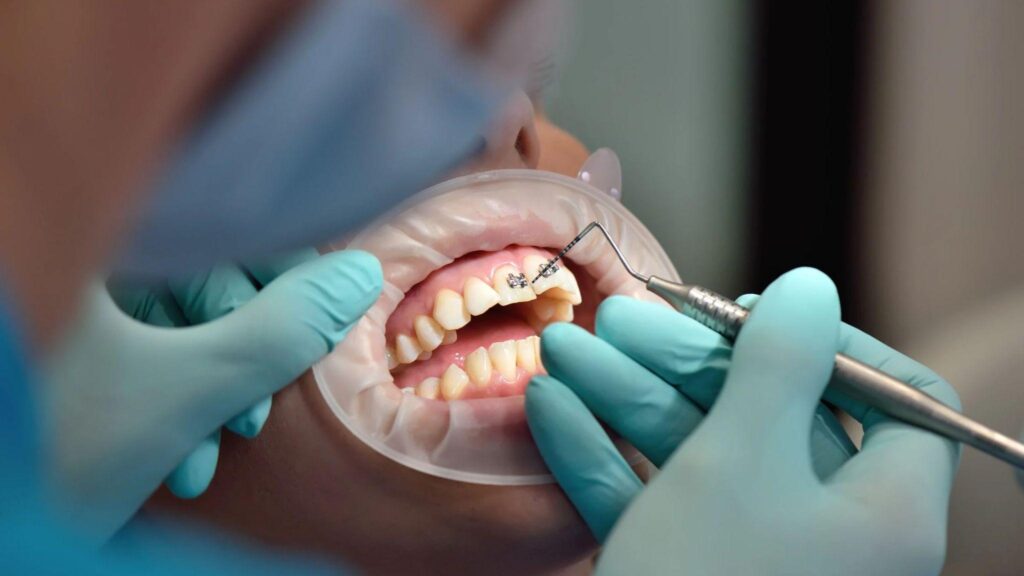
Clinics prioritize same-day requests by clinical urgency, risk of rapid worsening, and the level of care you need, so the first person to call is not always the first person seen. When you request an urgent visit, clinic staff assess your symptoms and health risks, then direct you to the safest available level of care. For a dental problem, a practice such as Liberty Dentistry can tell you whether your symptoms call for a same-day visit.
A same-day appointment can help you get timely attention for a new illness or injury that needs prompt evaluation. If your symptoms suggest a life-threatening emergency, call 911 or go to an emergency department.
What Counts as an Urgent Visit—and What Is an Emergency?
An urgent visit addresses a problem that needs prompt medical attention while you remain stable enough for clinic-based care. An emergency involves signs of a serious or immediate threat that needs emergency services.
Your clinic’s services and hours affect which problems it can assess. Urgent care centers may offer imaging, lab work, or minor procedures, while emergency departments are equipped to evaluate and treat life-threatening conditions.
Which Symptoms May Need Same-Day Clinic Care?
A new problem that needs attention today may qualify for a same-day clinic visit if you are stable and the clinic can provide the care you need. Examples include a worsening sore throat, a minor burn, a sprain, a urinary symptom, or a mild infection.
When you call, describe what changed and how quickly it has progressed. Tell staff about your pain level, fever, relevant medical conditions, and any treatment you have tried. If you have a serious chronic condition, are pregnant, or are asking about a young child, mention that early because it can affect the recommended care setting.
A clinic may direct you to urgent care if it lacks the equipment or appointment time to assess your problem. Follow the clinic’s guidance, and seek emergency care if your symptoms become severe while you are arranging a visit.
When Should You Call 911 or Go to the Emergency Department?
Call 911 for signs of a life-threatening emergency, including severe trouble breathing, chest pain, sudden weakness or difficulty speaking, uncontrolled bleeding, loss of consciousness, or a severe allergic reaction. If you suspect a stroke or heart attack, call 911 promptly.
The emergency department is also the right setting for severe injuries, seizures, major burns, or sudden confusion. Emergency services can help you reach care safely; avoid driving yourself if your condition could impair your ability to drive.
When you are unsure about severe or rapidly worsening symptoms, call 911 or contact emergency services for guidance. A same-day clinic appointment is not a substitute for emergency care.
How Do Clinics Triage Same-Day Requests?
Clinics use triage to decide how quickly you need care and which service can treat you safely. Your symptoms, their progression, and your health risks guide the decision, while appointment availability shapes the options staff can offer.
The triage process may lead to a same-day office visit, a virtual assessment, an urgent care referral, or emergency care. Give clear, direct answers so staff can assess your situation accurately.
What Happens During a Phone or Online Assessment?
During a phone or online assessment, staff ask what is wrong, when it began, and whether it is getting worse. They may ask about your symptoms, pain, temperature, medical history, medications, and relevant risk factors.
Describe the most concerning symptom first, then explain any changes. Share whether you can drink fluids, walk, breathe comfortably, or perform your usual activities when those details relate to your concern. If you use an online form, include a callback number and check for a response.
A scheduler or trained staff member may follow a protocol or ask a clinician to review your request. If your answers point to an emergency, you may be told to call 911 or go to the emergency department. If staff cannot assess your condition remotely, they may recommend an in-person evaluation.
How Do Symptoms and Patient Risk Affect Priority?
Clinics give higher priority to symptoms that are severe, worsening quickly, or associated with a risk of rapid deterioration. They also consider factors such as age, pregnancy, immune suppression, and significant chronic illness.
A stable problem that can safely wait may receive a later appointment, even if you contacted the clinic early. If your symptoms change after triage, call again and explain what has changed. The clinic may reassess your priority or direct you to a different level of care.
How Are Same-Day Appointments Made Available?
Clinics make same-day care possible by reserving appointment capacity and adjusting schedules as urgent needs arise. The number of available visits changes with staffing, existing appointments, cancellations, and the time of your request.
Call as early as you can when you need care today, or use the clinic’s patient portal if it offers urgent requests. State clearly that you are seeking care for a new problem today and answer the triage questions fully.
Why Do Clinics Reserve Slots for Urgent Needs?
Reserved slots give clinics room to assess acute problems that arise during the day. Staff can match those openings to patients based on clinical priority and the type of care the clinic can provide.
A reserved slot does not guarantee that every request will lead to an appointment at your preferred time. The clinic may use a brief visit for one immediate concern, arrange a virtual assessment, or direct you to another service if your needs exceed its capacity.
What Can You Do if No Appointment Is Open?
If the clinic has no open appointment, ask whether it offers a cancellation list, a nurse or clinician callback, or another same-day location. Explain any worsening symptoms during that conversation so staff can update the triage decision.
If the clinic recommends urgent care, confirm that the center is open and can assess your concern before you travel. A telehealth visit may suit some symptoms, though an in-person exam or testing may be needed. For emergency warning signs, call 911 or go to the emergency department without waiting for a clinic opening.
Matching the Visit to the Right Level of Care
Choose care based on the seriousness of your symptoms and the services you need. A same-day primary care visit fits a stable problem that needs prompt attention from your regular clinic; urgent care can assess many non-life-threatening illnesses and injuries; emergency care is for potentially life-threatening symptoms or severe injuries.
When you contact a clinic, describe your symptoms and ask where you should be evaluated if no appointment is available. Follow the triage recommendation, and seek emergency help if severe symptoms develop.