
Mushroom-based confectionery has developed into a broad category that includes chocolate bars, gummies, chews, and other edible formats. Although these products may contain similar mushroom-derived ingredients, their physical structures and manufacturing processes can be very different.
Chocolate depends heavily on cocoa and fat, while gummies rely on a gel-forming system. These differences affect texture, flavor, storage, ingredient distribution, and labeling.
The word “mushroom” also covers multiple ingredient categories. Some products contain functional mushrooms such as lion’s mane, reishi, cordyceps, or turkey tail. Others may use terminology associated with psychoactive mushroom compounds. These categories should be distinguished when comparing products.
Why Product Format Matters
The format of an edible determines how its ingredients are incorporated into the final product.
Chocolate has a fat-based structure created primarily from cocoa solids and cocoa butter. Gummies, on the other hand, are formulated around moisture, sweeteners, acids, and gelling agents.
This means that the same mushroom powder or extract may behave differently depending on whether it is incorporated into chocolate or a gummy.
Format can also influence the sensory experience. Chocolate tends to provide cocoa, roasted, creamy, or bitter notes, while gummies commonly emphasize fruit flavors and sweet-tart profiles.
How Mushroom Chocolate Is Structured
Mushroom chocolate generally begins with a conventional chocolate formulation.
Depending on the recipe, it can contain cocoa solids, cocoa butter, sugar, milk ingredients, emulsifiers, vanilla, nuts, or other additions.
A mushroom-derived ingredient may then be incorporated into the chocolate mixture.
The form of that ingredient matters. Mushroom powder contains physical particles that can affect smoothness and flavor. An extract may have different physical properties and may be incorporated differently.
The finished texture depends on both the chocolate structure and the additional ingredients.
The Basic Composition of Mushroom Gummies
Mushroom gummies use a fundamentally different food structure.
A typical gummy formulation can include:
- Sugar or alternative sweeteners
- Water
- Gelatin or pectin
- Food acids
- Fruit flavors
- Colors
- Stabilizers
- Mushroom powders or extracts
Gelatin can provide a firm and elastic texture, while pectin is commonly used in some plant-based formulations.
Moisture, acidity, temperature, and sweetener concentration all influence the final consistency.
Adding mushroom material introduces another variable because powders and extracts can behave differently within the gummy matrix.
Texture: Firm Chocolate Versus Chewy Gummies
Texture is one of the easiest ways to distinguish the two formats.
Chocolate is generally firm at room temperature and softens when exposed to heat. Properly formulated chocolate can have a characteristic snap and smooth mouthfeel.
Gummies are intentionally soft and elastic. Their structure is designed to withstand chewing rather than melting immediately.
Mushroom powder can affect both products, but the effect differs because the underlying food matrices are not the same.
In chocolate, particles may influence smoothness. In gummies, they can affect consistency and how evenly the ingredient is distributed.
Flavor Profiles Take Different Directions
Chocolate naturally provides strong cocoa characteristics.
Depending on the formulation, these can include roasted, bitter, creamy, sweet, or caramel-like notes.
Mushroom ingredients can introduce earthy or woody flavors that interact with the cocoa.
Gummies generally use fruit-forward flavors. Berry, citrus, tropical fruit, apple, and grape are common flavor directions in confectionery.
Food acids can add tartness and balance the sweetness.
This makes gummies particularly flexible for masking or balancing some of the stronger natural flavors associated with mushroom ingredients.
Mushroom Powder Versus Mushroom Extract
The ingredient form deserves attention in both product formats.
Mushroom Powder
Powder is generally made from dried mushroom material that has been processed into smaller particles.
Because physical mushroom material remains present, it can influence color, flavor, and texture.
Mushroom Extract
Extracts undergo additional processing and can have different characteristics from powdered mushroom material.
The term “extract” does not automatically identify its concentration or composition. The source mushroom and additional product information remain important.
A chocolate and gummy containing the same mushroom species may therefore still contain substantially different forms of that ingredient.
Comparing Mushroom Blends
Some products contain multiple mushroom species rather than focusing on one.
A blend might include several mushrooms commonly associated with functional-food products, such as lion’s mane, reishi, cordyceps, or turkey tail.
However, “mushroom blend” is a broad description. It may not reveal the amount of each individual ingredient.
When comparing chocolate and gummies, checking the complete ingredient declaration can therefore provide more useful information than relying on the product’s front label.
Functional Mushrooms in Different Formats
Functional mushrooms appear in both chocolate and gummy formulations.
Lion’s mane is frequently discussed in relation to cognitive and neurological research. Reishi is commonly associated with traditional wellness practices. Cordyceps often appears in discussions involving energy and exercise, while turkey tail has been studied for various biological properties.
These descriptions should not be treated as proof that every finished edible produces a particular effect.
Research may involve a specific mushroom extract or preparation that differs from the ingredient used in a commercial confection.
The format itself does not establish the effectiveness of the mushroom.
Psychoactive Mushroom Products Are a Separate Category
Some mushroom edibles are associated with psychoactive mushroom compounds.
These should be distinguished from ordinary functional mushroom products.
Psychoactive compounds can affect perception, cognition, mood, and sensory experiences. Their legal status varies between jurisdictions.
Informal terminology can sometimes make these categories difficult to distinguish. A product described simply as a “mushroom chocolate” or “mushroom gummy” does not necessarily reveal its exact ingredients.
The ingredient declaration and applicable local regulations provide more meaningful information.
Sweeteners and Supporting Ingredients
Gummies and chocolate can contain very different supporting ingredients.
Chocolate may include sugar, milk, lecithin, nuts, vanilla, or other flavoring ingredients.
Gummies may rely on sugar syrups, pectin or gelatin, food acids, fruit flavors, and colors.
These supporting ingredients influence more than taste.
They can affect texture, stability, moisture, shelf life, and the way mushroom-derived ingredients interact with the finished food.
Therefore, the mushroom ingredient should always be considered as part of the entire formulation.
Temperature Sensitivity
Temperature affects chocolate and gummies differently.
Chocolate can soften or melt when exposed to elevated temperatures. Its texture and appearance can also change if it is stored under unsuitable conditions.
Gummies are generally more tolerant of moderate temperature changes but can become softer, stickier, or less firm under excessive heat or humidity.
Packaging and storage instructions are therefore important for both formats.
The exact requirements depend on the formulation.
Labeling Differences
Both products can provide ingredient, allergen, serving, and storage information, but their ingredient lists may look quite different.
A chocolate label might feature cocoa components, sugar, milk, soy, nuts, and mushroom ingredients.
A gummy label may include gelatin or pectin, sweeteners, acids, flavors, colors, and mushroom-derived materials.
Reading the entire ingredient declaration is useful because the mushroom ingredient may represent only a small part of a much longer formulation.
Why Serving Information Matters
Serving information can help explain how a manufacturer defines a portion.
For gummies, serving information may be expressed as a specific number of pieces. Chocolate products may use a defined number of squares, a portion of a bar, or a specified weight.
However, serving size should not automatically be interpreted as evidence of effectiveness.
It primarily establishes how the product’s ingredients are presented on the label.
When comparing products, it is useful to consider the serving information alongside the ingredient declaration.
Brand Information and Product Labels
Brand names can help identify product families but do not necessarily describe the technical composition of every item.
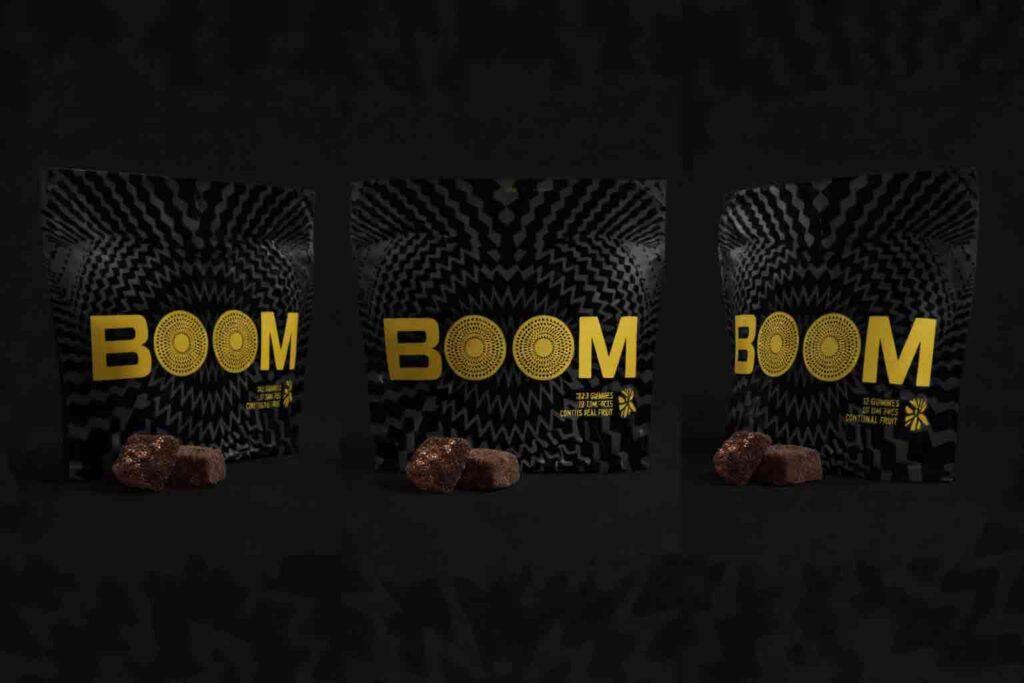
For example, mushroom gummies by boom bar may be used when referring to a particular commercial product range.
The brand can provide useful context, but the specific product label remains the more appropriate source for identifying its mushroom species, supporting ingredients, allergens, and other formulation details.
Different products from one brand can have different recipes and formats.
Chocolate Versus Gummies: A Practical Comparison
|
Feature |
Mushroom Chocolate |
Mushroom Gummies |
|
Main structure |
Cocoa and fat-based |
Gel-based |
|
Typical texture |
Firm and smooth |
Soft and chewy |
|
Main flavor profile |
Cocoa and roasted notes |
Fruit and sweet-tart notes |
|
Common structural ingredients |
Cocoa butter and cocoa solids |
Gelatin, pectin, or starch |
|
Mushroom forms |
Powder, extract, or blend |
Powder, extract, or blend |
|
Temperature concerns |
Melting and texture changes |
Softening and stickiness |
|
Shape options |
Bars, squares, cups, pieces |
Bears, discs, pieces, molded shapes |
|
Common supporting ingredients |
Sugar, milk, soy, nuts |
Sweeteners, acids, flavors, colors |
The comparison demonstrates that the mushroom component is only one part of the product’s overall identity.
Choosing the Right Way to Interpret Labels
Instead of judging a product by its appearance, examine the label systematically.
First, identify the mushroom species.
Next, determine whether the ingredient is a powder, extract, or blend.
Then examine the confectionery base and supporting ingredients.
Finally, review allergen information, serving details, storage instructions, warnings, and other relevant information.
This method works for both chocolate and gummies.
Why Product Names Can Be Misleading
Specialty mushroom products often use creative names designed to distinguish flavors or product ranges.
Terms such as “functional,” “infused,” “mushroom,” or “shroom” can have different meanings depending on context.
A product name does not necessarily establish the exact mushroom species or ingredient preparation.
For this reason, technical information on the label is more useful when comparing different formats.
Frequently Asked Questions
Are mushroom chocolate and mushroom gummies the same?
No. They can contain similar mushroom ingredients but use different confectionery structures.
Which has a chewy texture?
Gummies are specifically formulated to provide a soft and elastic texture.
Can both formats contain mushroom powder?
Yes. Both chocolate and gummies can incorporate powdered mushroom material.
What is the main structural difference?
Chocolate relies on cocoa butter and cocoa solids, while gummies depend on gelling agents, moisture, and sweeteners.
Are all mushroom products functional?
No. Some products may be associated with psychoactive mushroom compounds and represent a separate category.
Does mushroom extract mean the same thing as mushroom powder?
No. Extracts and powders are different ingredient preparations.
Why should the complete label be checked?
The label can reveal the mushroom species, preparation type, supporting ingredients, allergens, serving information, and storage requirements.
Does the product format determine its effects?
No. The format itself does not establish an ingredient’s effects or effectiveness.
Conclusion
Chocolate and gummies provide two distinctly different ways of incorporating mushroom-derived ingredients into confectionery products. Chocolate is built around cocoa and fat, creating a firm and meltable structure, while gummies rely on gel-forming ingredients to produce their characteristic chew.
Both formats can contain mushroom powders, extracts, or blends, but the surrounding ingredients can significantly influence taste, texture, stability, and processing.
When comparing Mushroom gummies with chocolate products, it is therefore useful to look beyond the format. The mushroom species, ingredient preparation, complete recipe, labeling information, and applicable product category provide a much clearer understanding of the differences.
The most reliable approach is to treat each product as its own formulation rather than assuming that two mushroom products are equivalent simply because they contain a similar ingredient or share the same general description.