
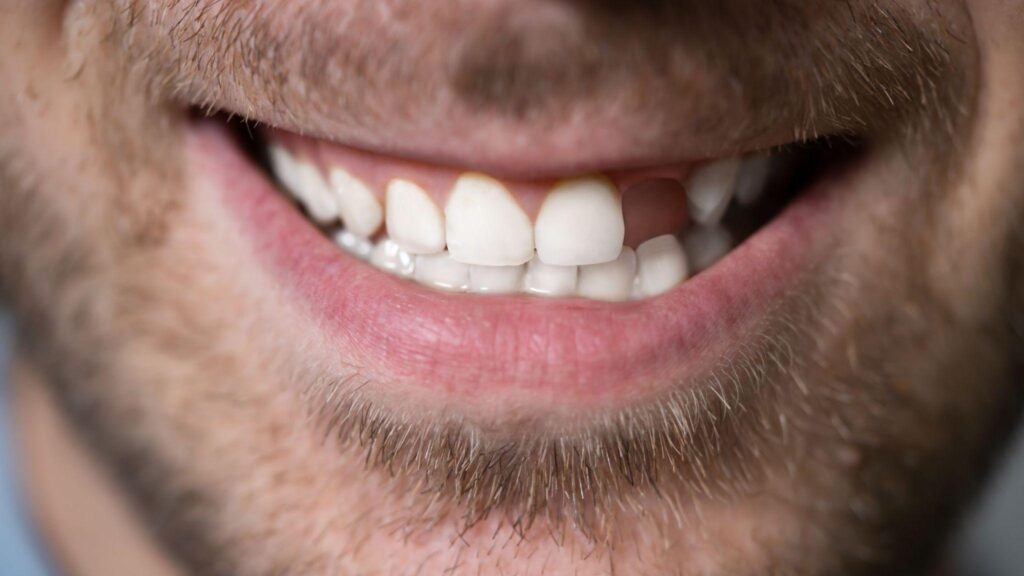
Tooth loss can affect more than your smile: the gap may change how you chew, how nearby teeth sit, and how the jawbone is loaded. Replacing a missing tooth can help reduce local oral-health risks linked to tooth loss by restoring support and chewing function.
If you’re weighing teeth replacement in West Seneca, NY, keep in mind that a replacement does not guarantee protection from conditions such as heart disease or diabetes. Its clearest benefits relate to your mouth, bite, and ability to eat comfortably.
How Can Replacing a Tooth Help Protect Oral Health?
Replacing a tooth restores support and function around the gap, which can help limit changes to your jawbone, nearby teeth, and bite. The effect depends in part on which tooth is missing and the replacement you choose.
Can Replacement Help Limit Jawbone Loss?
Replacing a tooth with an implant can help preserve bone at the site because the implant transfers chewing forces to the jaw. After a natural tooth is lost, the bone that supported its root no longer receives the same stimulation and can gradually shrink.
A bridge or denture fills the space and restores some function, but it does not load the jawbone at the gap in the same way as an implant. Your dentist can assess the bone with an exam and imaging, then explain whether an implant is suitable or whether bone grafting may be needed.
Can It Keep Nearby Teeth From Shifting?
Filling a gap can help keep nearby teeth from tilting or drifting into the open space. Movement can change how your teeth meet when you bite and may make cleaning between teeth more difficult.
The amount of movement varies with the gap’s location, your bite, and the condition of the surrounding teeth. Replacing a tooth also does not stop every cause of shifting, so your dentist may recommend monitoring your bite and gum health as part of follow-up care.
How Can It Restore Chewing and Bite Function?
A replacement tooth gives you a surface to bite and chew with, which can make eating more comfortable and distribute force across your teeth. When a gap affects chewing, you may favor one side or avoid foods that are harder to bite.
Your dentist will check how the replacement fits with the opposing teeth. A well-planned bite helps reduce excess pressure on the replacement and your remaining teeth; follow-up adjustments may be needed as you adapt.
Which Replacement Options Address These Risks?
Implants, bridges, and dentures replace missing teeth in different ways, with distinct effects on bone, neighboring teeth, and daily care. Your dentist can compare these features with your oral health and treatment goals.
How Do Dental Implants Compare With Bridges and Dentures?
An implant is placed in the jaw and supports a crown, while a bridge attaches to neighboring teeth and a denture rests on the gums or remaining teeth. The table summarizes common differences; implant-retained dentures have different support and retention from conventional dentures.
|
Feature |
Dental implant |
Bridge |
Denture |
|
Loads bone at gap |
Yes, through implant |
No |
No, for conventional dentures |
|
Uses neighboring teeth |
No |
Yes |
Sometimes |
|
Removable by you |
No |
No |
Yes |
|
Surgery required |
Yes |
Usually no |
No |
An implant can replace a tooth without preparing adjacent teeth, and it provides stimulation to bone at the implant site. Treatment requires surgery and enough healthy bone for placement; healing and ongoing cleaning are part of care.
A bridge can fill a gap without implant surgery, though the supporting teeth need to be prepared to hold it. A denture can replace one or several teeth and is removable for cleaning. Your dentist can explain how each option affects fit, maintenance, and the teeth or tissues supporting it.
Which Factors Shape the Right Treatment Choice?
Your oral health, the position of the missing tooth, and the condition of the surrounding bone and teeth all influence treatment planning. Your preferences for a fixed or removable replacement also help narrow the options.
Discuss the cause of tooth loss, your medical history, and any gum disease with your dentist. Healing capacity, bone volume, bite forces, daily cleaning habits, treatment time, and insurance coverage can also shape your plan. If an implant is unsuitable, a bridge or denture may still restore useful function.
Why Timing and a Dental Assessment Matter
A prompt dental assessment helps identify changes around the gap and clarify which replacement options remain suitable. Early planning gives your dentist a chance to address gum disease, infection, or bone changes before they complicate treatment.
What Should You Do After Losing a Tooth?
Contact a dentist after losing a tooth, even if you have little discomfort. If a permanent tooth has been knocked out, seek urgent dental care; handle it by the crown, rinse it gently if dirty, and keep it moist in milk or saliva while you get help. A baby tooth should not be placed back in its socket.
If the tooth was removed or lost earlier, book an appointment to discuss the gap and any pain, swelling, or bleeding. Keep the area clean with gentle brushing, and follow your dentist’s instructions for wound care if you have had an extraction.
How Can a Dentist Assess Your Options?
Your dentist will examine the gap, surrounding teeth, gums, and bite, then review your health history and the cause of tooth loss. X-rays or other imaging can show the bone and roots in the area and help determine whether an implant, bridge, or denture is feasible.
Ask how each option affects your neighboring teeth, bone support, treatment timeline, maintenance, and cost. You can also discuss whether treating gum disease or another active problem should come before replacement. A written plan makes it easier to compare the expected steps and follow-up for each option.
Timely, Personalized Care Can Help Protect Your Smile
Replacing a tooth can help restore chewing function and reduce some oral changes associated with a gap, while the right option depends on your bone, teeth, gums, and health needs. A dental assessment can clarify those factors and help you choose a treatment plan.
If you have a missing tooth, arrange an evaluation and ask your dentist to compare implants, bridges, and dentures for your specific situation. Keep up with recommended cleaning and follow-up after treatment.