
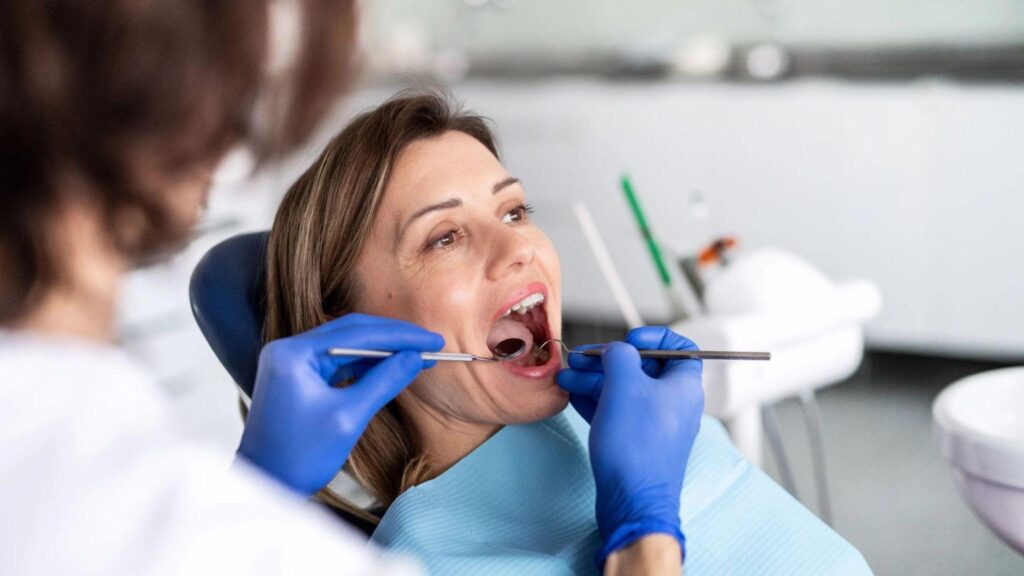
Dental care during pregnancy is safe and important for your health. You can have routine cleanings and needed dental treatment at any stage of pregnancy, with your dentist choosing appropriate imaging and medicines.
Hormonal changes can make your gums more reactive, while nausea and changes in eating habits can raise your risk of cavities. When you visit a practice such as Old North Dentures and Implants, tell your dentist you are pregnant, share your due date and any pregnancy-related concerns, and keep your prenatal care provider informed about significant dental problems.
Which Dental Treatments Are Safe?
Routine preventive care and treatment for dental problems are safe during pregnancy when your dental team knows you are pregnant. Your symptoms, treatment needs, and comfort help your dentist plan care.
Are Cleanings, Fillings, and Urgent Treatments Safe?
Dental cleanings, exams, and fillings are safe during pregnancy. Treating decay early can prevent pain or infection from worsening, and urgent problems such as a toothache or dental abscess need prompt assessment at any stage.
Tell your dentist about your pregnancy before treatment and share any medications you take. Your dentist can select appropriate materials and medicines, and coordinate with your prenatal care provider when your health history calls for it.
Can You Have Dental X-Rays or Local Anesthesia?
Dental X-rays and local anesthesia can be used during pregnancy when they are needed for your care. Your dentist can limit imaging to the area being evaluated and use protective measures according to clinical guidance.
Local anesthetics are used for procedures such as fillings and urgent treatment. Give your dental team your pregnancy details and medication list so they can choose the right approach for you.
Should Treatment Timing Change by Trimester?
You can receive necessary dental care in any trimester, including care for pain or infection. For planned treatment, the second trimester may be more comfortable if you experience nausea early in pregnancy or physical discomfort later on.
Your dentist can adjust appointment length and your chair position to support your comfort. If a procedure is elective and can safely wait, you and your dentist can discuss timing based on your needs and pregnancy.
Why Oral Health Needs Attention During Pregnancy
Pregnancy can change your gums and daily routines, increasing the need for attentive oral care. Keeping your mouth healthy also supports your comfort and helps you establish healthy habits for your baby.
How Can Pregnancy Affect Gums and Teeth?
Hormonal changes can make your gums more sensitive to plaque, leading to redness, tenderness, or bleeding when you brush or floss. Pregnancy-related nausea, vomiting, or frequent snacking can also expose your teeth to more acid or sugar.
Brush twice daily with fluoride toothpaste and clean between your teeth each day. If you vomit, rinse with water or a baking soda solution, then wait about 30 minutes before brushing so you do not scrub softened enamel.
What Is Known About Gum Disease and Pregnancy Outcomes?
Studies have found an association between gum disease and some adverse pregnancy outcomes, including preterm birth and low birth weight. An association does not prove that gum disease causes these outcomes, and treating gum disease is not a guarantee of preventing them.
You can still have gum inflammation assessed and treated during pregnancy. If your gums bleed regularly, feel swollen, or pull away from your teeth, tell your dentist so you can get an examination and care plan.
How Can a Parent’s Oral Health Affect a Baby’s Teeth?
Your oral health can influence the bacteria your baby encounters after birth. Cavity-causing bacteria can pass between caregivers and babies through saliva, so treating your cavities and maintaining good oral hygiene can help lower your baby’s exposure.
Once your baby’s first tooth appears, brush it gently with a small amount of fluoride toothpaste. Ask your child’s dentist or pediatrician about the first dental visit, and avoid sharing utensils or cleaning a pacifier with your mouth.
How to Protect Your Teeth and Gums
Regular dental care, daily cleaning, and prompt attention to symptoms help protect your mouth during pregnancy. Tell your dental team about pregnancy-related nausea, changes in medication, or any difficulty keeping up with your usual routine.
When Should You See a Dentist?
Schedule a dental checkup if you are due for one, and contact a dentist if you develop a new concern. You can keep routine appointments during pregnancy, including cleanings and preventive care.
At the visit, share how far along you are and whether your pregnancy care team has given you any specific instructions. If you have not had a dental visit recently, ask for an appointment instead of waiting until after delivery.
What Symptoms Need Prompt Attention?
Contact a dentist promptly for ongoing tooth pain, swelling, bleeding gums, a broken tooth, or signs of infection such as pus or a bad taste. Fever or swelling that spreads across your face needs urgent evaluation.
Get emergency care if facial swelling affects your breathing or swallowing. When you call, describe your symptoms and pregnancy so the office can guide you to appropriate care.
What Daily Habits Help Prevent Cavities and Gum Inflammation?
Brush twice a day for two minutes with fluoride toothpaste and use a soft-bristled brush. Clean between your teeth daily with floss or another tool your dental team recommends.
If nausea makes brushing difficult, try brushing at a different time of day or using a smaller toothbrush. After vomiting, rinse your mouth with water or a mixture of one teaspoon of baking soda in a cup of water, then wait about 30 minutes before brushing.
Choose water between meals and limit frequent sugary snacks or drinks. If you need a snack, choose a tooth-friendly option such as cheese, plain yogurt, or vegetables.
Keeping Dental Care Part of Prenatal Health
Make dental care part of your prenatal routine by keeping scheduled visits and addressing new symptoms promptly. Cleanings and needed treatment are safe during pregnancy, and your dentist can adapt care to your health and comfort.
Tell your dental team that you are pregnant, follow their guidance on treatment and medicines, and continue brushing with fluoride toothpaste and cleaning between your teeth each day.