
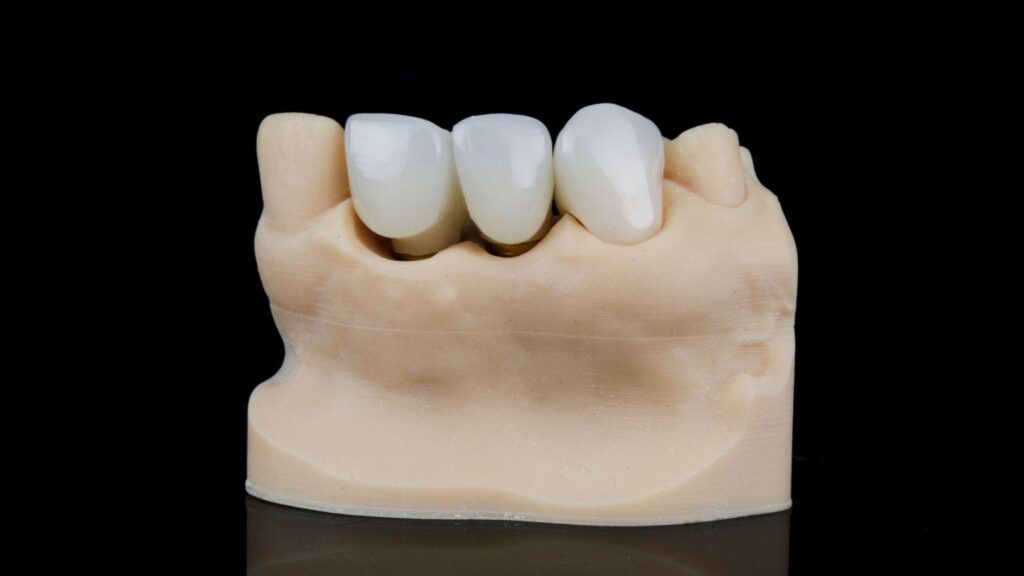
Mild sensitivity to cold, heat, or biting pressure after a new crown is common and often fades within a few days to a few weeks. If your discomfort is mild and gradually improving, you can monitor it while caring for the tooth gently.
A sharp jolt that stops quickly differs from pain that lingers, worsens, or interferes with chewing. If you’ve recently had dental crowns and bridges in Plano, TX, those changes can point to a bite adjustment or another issue your dentist should assess.
How Long Should Sensitivity Last?
Mild sensitivity after crown placement can last a few days to a few weeks, with gradual improvement as the tooth and surrounding tissues settle. The pattern and direction of your symptoms help you judge whether healing is on track.
What Mild, Short-Term Sensitivity Can Feel Like
You might feel a brief twinge when you sip something cold or hot, or a little tenderness when you chew. The sensation should ease soon after the trigger ends and should not grow stronger over time.
Some gum tenderness near the crowned tooth is also common after the procedure. If you received a temporary crown, sensitivity can continue until your permanent crown is placed, since the temporary restoration does not fit or seal in exactly the same way.
When Symptoms Should Start to Improve
You should notice a gradual decrease in sensitivity over the first several days. By one to two weeks, cold or chewing discomfort should be noticeably easier to manage, even if the tooth still feels slightly different.
Track whether the discomfort is getting less intense and happening less often. If it remains unchanged after a couple of weeks, worsens, or starts after a period of improvement, contact your dentist for guidance.
What Can Cause a Crowned Tooth to Feel Sensitive?
A crowned tooth can feel sensitive while the nerve, prepared tooth, bite, and nearby gums adjust after treatment. The type of trigger often helps identify which part of the area needs attention.
Tooth-Nerve Irritation and Exposed Dentin
Preparing a tooth for a crown removes some outer tooth structure, which can temporarily irritate the nerve inside. If dentin near the crown’s edge is exposed or less protected, cold, heat, or sweet foods can trigger a quick twinge.
A brief reaction that fades after the trigger is gone fits temporary sensitivity. Pain that lingers after hot or cold food, occurs without a clear trigger, or wakes you from sleep deserves a call to your dentist.
A High Bite or Pressure on the Crown
If the new crown touches first when you close your teeth, chewing can put extra pressure on the crowned tooth. You might notice a sharp ache when biting or feel that your teeth meet unevenly.
Your dentist can check the bite and adjust the crown if needed. Arrange an appointment if chewing pain persists, since continued pressure can keep the tooth sore.
Gum Soreness After Crown Placement
Your gums can feel tender or slightly irritated after the crown procedure, especially near the edge of the restoration. The area should become more comfortable as the tissue settles.
Brush gently along the gumline and keep the area clean. Call your dentist if gum pain increases, bleeding persists, or you notice swelling or discharge.
How Can You Ease Discomfort and Know When to Call?
Gentle home care can reduce mild sensitivity, while persistent or worsening symptoms call for a dental check. Pay attention to how long pain lasts and whether it affects biting or daily activities.
Simple Ways to Reduce Sensitivity at Home
For the first few days, choose softer foods and chew on the other side if biting feels tender. Avoid very hot or cold foods and drinks when they trigger discomfort, and skip hard or sticky foods that put extra force on the crown.
Brush with a soft-bristled toothbrush and use toothpaste made for sensitive teeth according to its label. If you use an over-the-counter pain reliever, follow the package directions and check with a clinician or pharmacist if you have a health condition, take other medicines, or are unsure which option is safe for you.
Signs You Should Contact Your Dentist
Call your dentist if pain is severe, gets worse, lasts after a hot or cold trigger, or makes it hard to chew. You should also call if the crown feels loose, your bite feels uneven, or sensitivity has not begun to improve after about two weeks.
Facial swelling, fever, or drainage near the tooth needs prompt dental attention. If swelling affects breathing or swallowing, seek emergency care.
Most New-Crown Sensitivity Improves as the Tooth Settles
Mild, brief sensitivity that steadily fades is a common part of adjusting to a new crown. Keep the area clean, avoid triggers that cause discomfort, and contact your dentist if symptoms worsen, linger, or disrupt chewing.