
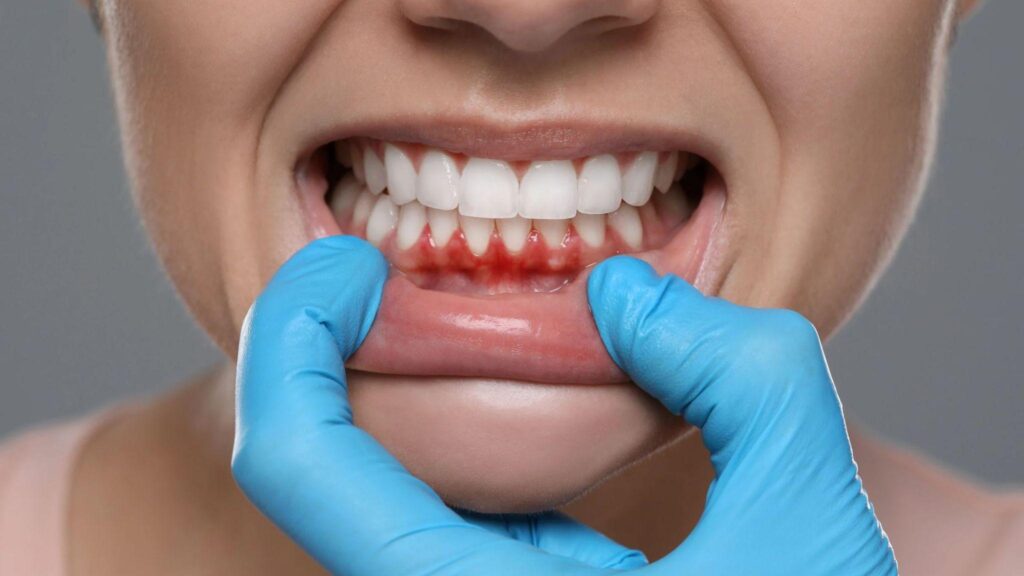
If you lost your teeth to gum disease, full-mouth implants remain an option for many people once periodontal infection is controlled and the gums are stable. Your treatment plan depends on your bone support, health, and ability to maintain the implants.
A history of periodontitis raises the risk of inflammation around implants, so you need an evaluation before full mouth dental implants in Salt Lake City, UT. Implant-supported fixed teeth or a removable implant-supported denture may be considered after your dental team assesses your mouth.
Can Full-Mouth Implants Work After Gum Disease?
You can be considered for full-mouth implants after gum disease is treated and your periodontal health is stable. Your past diagnosis still affects risk, and your dental team needs to check your gums, jawbone, and overall health before recommending surgery.
The condition of your gums and bone helps determine whether treatment can proceed and which restoration suits you. Your clinician also needs to plan for ongoing care to monitor the tissues around your implants.
Why Active Gum Disease Must Be Controlled First
Active gum disease causes inflammation and can damage the bone and tissues that support teeth. Implant surgery needs a healthy environment for healing, so your dentist or periodontist will address infection before placing implants.
Treatment can include scaling and root planing, periodontal surgery, or removing teeth that cannot be maintained. Your clinician will reassess your gums after treatment and confirm that inflammation is controlled before moving ahead.
How a History of Periodontitis Affects Implant Risks
A history of periodontitis increases your risk of peri-implant disease, which affects the gum and bone around an implant. Bacterial plaque can trigger inflammation in these tissues, and bone loss can threaten implant support if the condition progresses.
Your previous diagnosis does not determine the outcome by itself. Your current gum health, smoking status, diabetes control, home-care routine, and maintenance attendance all contribute to your risk profile.
What Dentists Assess Before Recommending Treatment
Your dental team will examine your gums and review your dental and medical history before recommending full-mouth implants. The assessment helps identify active inflammation, remaining teeth that need treatment, and factors that could affect healing.
Imaging, including X-rays or a cone-beam CT scan, helps your clinician evaluate bone volume and plan implant positions. Your dentist will also discuss your bite, cleaning access, and the type of restoration you can maintain.
What Needs to Happen Before Implant Treatment?
Your gums need to be stable and your treatment plan needs to account for any bone loss before implant surgery. Your clinician may recommend periodontal treatment, extractions, or bone procedures before placing implants.
The order and timing of these steps depend on your healing and clinical findings. Your team will check progress before proceeding to the next stage.
Treating Infection and Stabilising the Gums
Your care starts with controlling active periodontal disease. This may involve deep cleaning below the gumline, periodontal surgery, or extraction of teeth that have severe damage.
After treatment, your dentist or periodontist will check for signs of ongoing inflammation and assess how well you can keep your mouth clean. The interval before implant surgery is set around your healing and the stability of your gums.
How Bone Loss Can Change the Treatment Plan
Periodontitis can reduce the bone available to support implants, which affects where and how your implants can be placed. Your clinician uses imaging to assess bone height and width and to plan around important structures.
If there is insufficient bone in a planned implant site, your treatment plan can include grafting or a different implant position. Bone grafting adds support in selected areas, and it can extend the treatment timeline while the graft heals.
When Bone Grafting or All-on-4 May Be Considered
Bone grafting may be considered when your jaw lacks enough volume for the planned implant positions. The type of graft and the healing period depend on the location and amount of bone that needs rebuilding.
An All-on-4 full-arch restoration uses four implants to support a fixed set of teeth. Your clinician may consider it when your bone anatomy allows stable placement, including angled implant positions; it is not suitable for every jaw. Your options may also include a different number of implants or an implant-supported removable denture.
How Can You Protect Full-Mouth Implants Long Term?
You protect full-mouth implants with daily plaque removal and regular professional monitoring. Your history of gum disease makes a consistent care routine important for spotting inflammation before it causes more damage.
Your dental team can show you how to clean around your specific restoration. Follow their instructions for home care and keep the maintenance schedule they recommend.
Daily Cleaning Around Implant-Supported Teeth
Brush twice daily with a soft toothbrush, taking care to clean along the gumline and around each implant-supported tooth. Clean beneath a fixed bridge with tools your clinician recommends, such as an interdental brush or floss threader.
A water flosser can help flush around hard-to-reach areas, though your dentist should guide you on its use. If you wear a removable implant-supported denture, remove it as directed and clean both the prosthesis and the tissues underneath.
The Role of Periodontal Maintenance Visits
Maintenance visits let your dental team check gum health, plaque buildup, and the stability of your restoration. Your clinician may examine the tissues around each implant and take X-rays when needed to monitor bone levels.
Your visit schedule should reflect your periodontal history and current condition. Many people with a history of periodontitis need closer follow-up, with the timing set by their dentist or periodontist.
Risk Factors That Can Affect Implant Health
Smoking, poorly controlled diabetes, and difficulty keeping the restoration clean can raise the risk of complications around implants. Teeth grinding can also place extra force on your restoration, so tell your dentist if you clench or grind.
Contact your dental team if you notice bleeding, swelling, persistent discomfort, pus, or movement in the restoration. Prompt assessment helps identify the cause and guide treatment.
Stable Gums Create a Path to Full-Mouth Implants
Stable periodontal health gives your clinician a basis for planning full-mouth implants after tooth loss from gum disease. Your history still calls for careful assessment and a long-term maintenance plan.
Ask your dentist or periodontist to review your gum health, bone levels, and restoration options. You can then weigh the proposed treatment steps and follow-up schedule with a clear picture of what your care involves.