
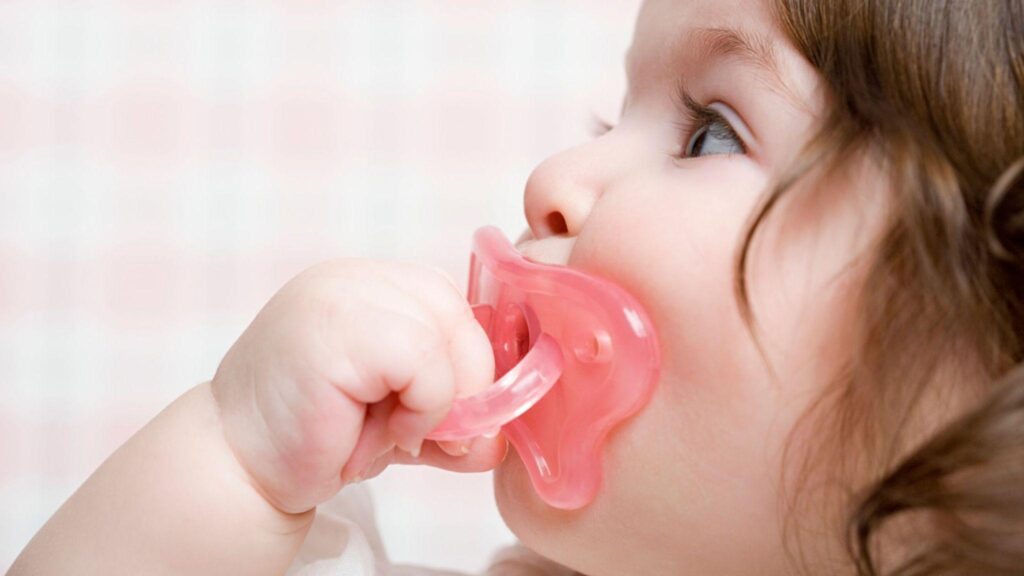
Thumb sucking and pacifier use become a dental concern when frequent or forceful sucking continues into the preschool years, with greater risk as permanent front teeth emerge around age 6. Many children stop on their own between ages 2 and 4, and early bite changes may improve after the habit ends.
You can watch how often your child sucks, how much pressure they apply, and whether their front teeth meet when they bite. A pediatric dentist or a dental practice such as Village Dental Care can check for changes and help you choose a calm approach if the habit persists.
When Does the Habit Become a Dental Concern?
The risk rises when your child sucks frequently or forcefully after age 3 to 4, and it becomes more important to address the habit as permanent teeth begin to come in. The amount of time and pressure involved help explain why one child’s habit affects their bite while another child’s does not.
How Do Age, Frequency, and Suction Strength Affect Risk?
Your child’s age gives you a useful guide, but the habit’s pattern also counts. Occasional, gentle sucking in early childhood places less pressure on developing teeth than long periods of active sucking throughout the day or night.
If your child keeps a thumb or pacifier in their mouth for much of the day, repeated pressure can gradually influence how teeth erupt and how the jaws grow. A strong, active sucking motion raises concern more than simply resting a thumb in the mouth.
Many children leave the habit behind between ages 2 and 4. If your child is still sucking regularly at age 4 or 5, ask your dentist whether it is time to make a plan, especially if you notice changes in their bite.
Why Does the Arrival of Permanent Teeth Matter?
The arrival of permanent front teeth makes a continuing sucking habit more concerning because those teeth are developing into a lasting bite. Permanent front teeth often begin to emerge around age 6, though the timing varies from child to child.
Your dentist can check whether the habit is affecting tooth position or jaw growth during routine visits. If you notice a change before then, bring it up at your child’s next appointment instead of waiting for a particular birthday.
What Dental Changes Should Parents Watch For?
A persistent sucking habit can affect how your child’s front teeth meet and, in some cases, the shape of the upper jaw. Changes can be subtle at first, so notice how the teeth line up when your child closes their mouth.
Can Sucking Change the Bite or Tooth Position?
Yes. Repeated pressure from a thumb or pacifier can push the upper front teeth outward, shift the lower front teeth inward, or leave a gap between the front teeth when your child bites down.
The upper jaw may also become narrower, which can affect how the upper and lower back teeth fit together. These changes are not inevitable, and their extent depends on the habit’s duration and intensity.
What Can Protruding Teeth, an Open Bite, or a Crossbite Look Like?
Protruding upper front teeth may look angled outward or sit noticeably ahead of the lower front teeth. An open bite appears as a space between the upper and lower front teeth when your child’s back teeth are together.
With a crossbite, one or more upper teeth sit inside the lower teeth when your child bites down. You may also notice that your child’s bite looks uneven from side to side. A dentist can identify these changes and tell you whether monitoring or treatment is appropriate.
How Can Parents Help a Child Ease the Habit?
A calm, gradual plan helps your child reduce the habit while preserving the comfort it provides. You can choose strategies based on whether your child uses a pacifier or sucks a thumb, and involve your dentist if the habit continues or the bite changes.
How Do Pacifiers and Thumb Sucking Differ?
A pacifier is easier for you to limit because you can put it away and set clear times for its use. Thumb sucking is harder to manage because your child always has access to their thumb, and they may do it without noticing, especially while falling asleep.
Both habits can affect developing teeth when sucking is frequent and prolonged. The type of habit alone does not determine the dental risk; pay attention to how often your child sucks and how much pressure they use.
Which Gentle Strategies Can Help a Child Stop?
Start by noticing when your child sucks their thumb or reaches for a pacifier. If the habit happens during a specific routine, offer another source of comfort, such as a soft toy or a quiet bedtime ritual.
For a pacifier, gradually limit use to sleep or other agreed times, then reduce those opportunities as your child adjusts. For thumb sucking, use a gentle reminder your child understands and praise them when they go without sucking during a chosen activity.
Avoid scolding, teasing, or punishment, which can add stress without helping your child build a new habit. If your child wants help or you see dental changes, ask your pediatric dentist for a plan suited to their age and needs.
Early, Calm Guidance Can Protect a Developing Smile
You can support your child’s dental development by watching the habit’s frequency and pressure, then easing it with patient, age-appropriate steps. Ask your dentist to check your child’s bite if the habit continues into the preschool years or if their teeth appear to shift.