
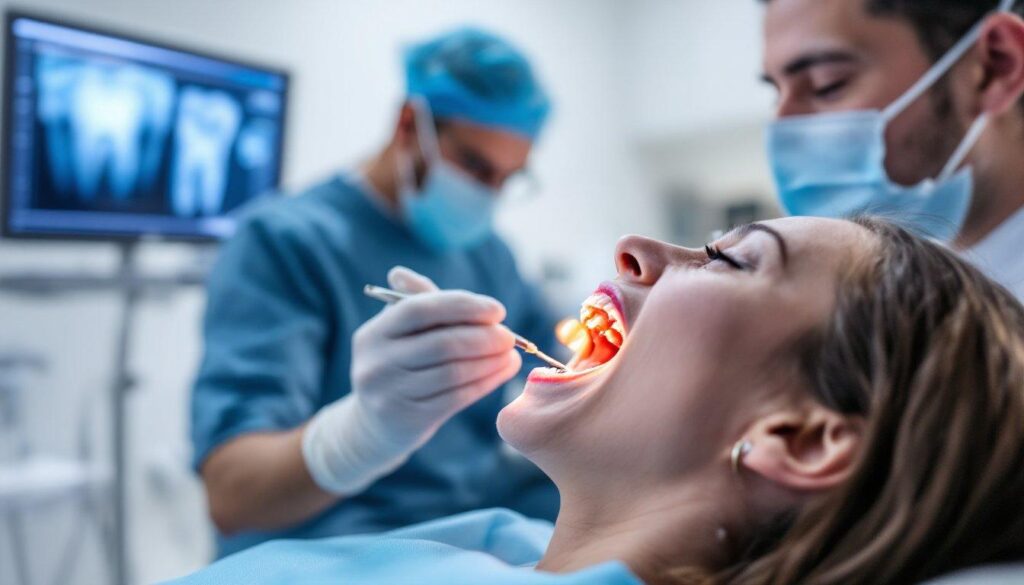
Replacing a back molar is often worth it if the gap weakens your chewing or bite; a single-tooth implant is a strong choice when you have adequate bone and healthy gums because it restores chewing without placing a bridge on neighboring teeth. If the missing tooth is your farthest-back molar, your bite remains comfortable, and the cost or surgery is a concern, monitoring the space may also be reasonable.
The gap can be easy to ignore because it is out of sight. Your decision should turn on what happens when you eat, how the surrounding teeth fit together, and what a complete replacement tooth Chula Vista, California treatment plan will cost.
Does a Missing Back Molar Need to Be Replaced?
A missing back molar deserves an exam, though replacement is not automatic. Your dentist can check whether the space is affecting your bite now and whether nearby teeth or the opposing tooth are changing position.
How Can the Gap Affect Chewing, Tooth Position, and Jawbone?
Molars take much of the force of chewing. If you avoid the side with the gap, food may be harder to break down, and the remaining teeth carry more of the work. A dentist can look for wear or a change in how your teeth meet, even if you have no pain.
Teeth beside a space may lean toward it, and the tooth above or below it may extend into the gap. Those changes are not inevitable, but they can make a future replacement harder to fit. Bone in the area also shrinks after a tooth is lost; the amount varies, and an implant placed later may require grafting.
When Might Leaving the Gap Be Reasonable?
Leaving the space can be reasonable when you chew comfortably, your bite is stable, and the missing tooth was the last molar in the row. Your dentist should still assess the opposing tooth and the condition of the tooth next to the gap before you decide.
Monitoring is an active choice. Ask your dentist to record how the teeth meet and to compare the space at routine visits. If chewing becomes uncomfortable or a tooth starts moving into the gap, you can revisit replacement before the change complicates treatment.
Which Replacement Option Makes the Most Sense?
A single-tooth implant is a practical option when your bone and gum health support it, while a bridge or removable partial denture may better fit your treatment time or budget. The position of the missing molar also affects which designs will work.
How Does a Molar Implant Compare with a Bridge or Partial Denture?
An implant supports a crown on its own and leaves the adjacent teeth untouched. A conventional bridge attaches a replacement tooth to crowned teeth on either side of the gap; if your missing molar is at the end of the row, that design may not be possible. A removable partial denture can replace one or several teeth and must be taken out for cleaning.
|
Consideration |
Implant |
Conventional bridge |
Removable partial denture |
|
Support |
Jawbone |
Neighboring teeth |
Teeth and gums |
|
Surgery |
Required |
None for the bridge |
None |
|
Adjacent tooth preparation |
None |
Usually required |
Varies by design |
|
Time to finished tooth |
Months |
Often weeks |
Often weeks |
|
Upfront cost |
Higher |
Middle range |
Lower |
For a bridge, the health of the supporting teeth matters as much as the gap itself. If those teeth already need crowns, a bridge may be attractive. If they are healthy, preparing them is a trade-off worth discussing.
What Makes Someone a Candidate for an Implant?
You need enough healthy bone to hold the implant and gums that can support long-term cleaning. Your dentist will review your medical history, examine your bite, and use imaging to locate nearby structures. Upper molars sit close to the sinus; lower molars sit near a nerve, so available bone height is particularly important in the back of your mouth.
Smoking, active gum disease, uncontrolled diabetes, and certain medications can affect healing or change the treatment plan. None should be judged from a price quote alone. Tell your clinician about your medications and health conditions so you get an assessment tied to your risks.
How Long Does Implant Treatment Take?
Plan on several months from implant placement to the finished crown. After placement, the implant needs time to integrate with the bone before it takes full chewing force. Your dentist may allow a temporary replacement during healing, depending on your bite and the stability of the implant.
Extraction and bone grafting can add healing time if the tooth is still present or the site lacks bone. Ask for a schedule that separates those steps from implant placement and crown delivery; the date of surgery is not the date you will have a finished molar.
What Will Treatment Cost in Chula Vista?
For planning purposes, a completed single-tooth implant commonly costs several thousand dollars, and your Chula Vista quote should give you a case-specific total. A broad U.S. planning range is $3,000 to $6,000 or more for the implant, connector, and crown. Grafting or other procedures can raise it, so compare written estimates with the same items included.
What Should an Implant Quote Include?
Look for separate charges for the exam and imaging, implant placement, the abutment or connector, and the final crown. A low advertised surgery fee may describe only one part of treatment. Ask whether follow-up visits and any temporary tooth are included.
Check who will perform each stage. If a surgeon places the implant and a dentist makes the crown, request a combined estimate. That gives you a usable number before you commit to treatment.
How Do Bone Grafts, Insurance, and Financing Change the Price?
A bone graft adds a procedure, materials, and sometimes a longer timeline. Depending on the site, your plan might also include an extraction or a sinus lift. Get those costs in writing only after an exam establishes which steps you need.
Dental insurance benefits vary by plan and by procedure. Ask the office to submit a pretreatment estimate, then check your deductible, annual maximum, waiting periods, and any missing-tooth rules with your insurer. If you finance the balance, compare the total repayment amount and interest terms alongside the monthly payment.
What Should You Ask at a Local Consultation?
Bring a short list of questions so each Chula Vista estimate addresses the same treatment:
- Which tooth are you replacing, and what does the examination show about your bite and bone?
- Are a bridge or partial denture suitable for this exact location?
- Which procedures are required, which are only possible, and who performs each one?
- What is the complete estimated cost through the final crown, including any separate specialist fees?
- How long will each stage take, and what happens if the implant does not integrate?
Ask for a copy of the proposed plan. The tooth number and itemized procedures make quotes easier to compare than a single total.
Choose Based on Your Bite, Health, and Budget
Your best next step is a clinical exam and an itemized estimate. An implant is worth considering when the missing molar affects chewing and your health supports placement; a bridge, partial denture, or monitored gap may suit a different bite or budget.
Before you approve treatment, make sure you know which teeth will provide support, whether grafting is needed, and what you will pay for a finished, usable tooth.