
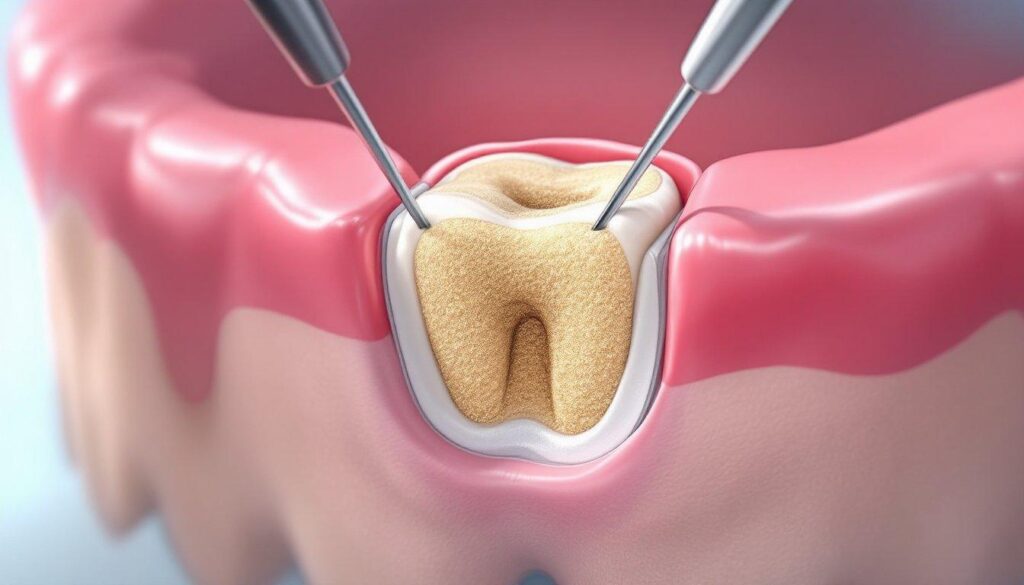
Socket preservation after extraction helps limit the loss of jawbone where your tooth was removed, which can make a future dental implant easier to plan and help maintain the shape of your gums. If you are having a tooth removed, the decision is worth discussing before the extraction: the graft is commonly placed while the socket is still open.
You may benefit most if you want an implant later or if the tooth sits in a visible part of your smile. Preservation reduces changes during healing, though it cannot guarantee that you will have enough bone for an implant; some patients still need additional bone grafting for dental implants in Greenville, SC before placement.
What Happens to the Socket After a Tooth Is Removed?
Once a tooth is removed, the bone that supported it begins to remodel. The socket fills and heals, while the surrounding ridge loses some width and height because it no longer supports a tooth root.
What Does Socket Preservation Do?
Socket preservation places graft material in the empty tooth socket to support bone formation during healing. Your dentist may cover the graft to protect it and help keep the material in place.
The procedure aims to reduce how much the ridge shrinks. Some change still occurs, so your dentist will assess the healed site before deciding whether it is ready for a restoration.
Why Does Bone Loss Matter for a Future Implant?
An implant needs enough bone around it for stable placement. If the ridge becomes too narrow or loses height, your implant plan may require additional grafting before the implant can be placed.
Preserving the socket keeps more of the existing ridge available for that plan. Your dentist still needs to evaluate the final bone dimensions, the position of nearby teeth, and any anatomical limits after healing.
Can Preservation Help Maintain Gum and Jaw Contours?
Yes. Supporting the underlying ridge helps limit the hollow or sunken contour that can develop after extraction. This is especially relevant for a front tooth, where a change in the gumline is easy to see.
Your gum appearance also depends on the condition of the tissue and socket walls at the time of extraction. Preservation supports those contours, but it cannot fully restore tissue that was already lost to infection or injury.
How Is the Socket Preserved?
Your dentist plans the graft around the condition of the extraction site and your intended replacement tooth. The procedure takes place after the tooth is removed, followed by a healing period before the site is reassessed.
When Is the Graft Placed?
The graft is commonly placed during the extraction appointment, after your dentist removes the tooth and cleans the socket. Placing it at that point allows the remaining socket walls to help contain the material.
Tell your dentist about any interest in an implant before the tooth is removed. If the site has extensive infection or damaged socket walls, your dentist will explain whether immediate preservation or a staged graft is appropriate.
What Materials and Membranes May Be Used?
Graft options include processed donor bone, animal-derived material, synthetic material, or bone taken from another site in your body. Your dentist selects a material based on the defect and treatment plan, and should explain its source before treatment.
A membrane or tissue covering may be placed over the graft to protect the site as it heals. Some membranes dissolve; others require removal. Ask which type you will receive so you know what to expect at your follow-up visit.
What Should You Expect During Healing?
Expect some soreness, swelling, and light bleeding after the extraction and graft. Follow your dentist’s instructions for eating, cleaning the area, and protecting the blood clot; avoid disturbing the socket while early healing takes place.
The gum closes before the bone finishes healing. Implant planning commonly follows several months of healing, with timing set by an examination and imaging. Contact your dental office if bleeding persists, pain worsens after initially improving, or you develop fever or increasing swelling.
Is Socket Preservation Right for You in Greenville?
Socket preservation is worth discussing when an extraction could affect your implant options or the shape of your smile. Your Greenville dentist can assess the tooth, surrounding bone, and replacement plan before recommending a graft.
Who Is Most Likely to Benefit?
You are a strong candidate for a discussion about preservation if you expect to replace the tooth with an implant, particularly in a visible area. The conversation is also useful if your dentist sees thin socket walls or an existing loss of bone around the tooth.
If you have not chosen a replacement yet, preserving the ridge may help keep future options open. Your medical history, healing risks, and the condition of the extraction site still guide the recommendation.
What Are the Limits and Alternatives?
Socket preservation reduces bone loss; it does not prevent every change or eliminate the possibility of later grafting. A severely damaged socket may need a different grafting approach, and some implant plans allow placement at the extraction appointment.
You may also choose a bridge, a removable replacement, or no replacement, depending on the tooth and your goals. Ask how each choice affects the need to preserve the ridge at your specific site.
What Should You Ask About Cost and Implant Plans?
Request a written estimate that separates the extraction, graft material, membrane, follow-up care, imaging, and any future implant treatment. Coverage varies by dental plan, so ask your office to check your benefits and explain your expected out-of-pocket cost.
Also ask when the site will be reassessed and what findings would call for additional grafting. That gives you a clearer schedule and budget before you commit to an implant.
Planning for Your Next Step After Extraction
Discuss socket preservation before your extraction if an implant or the appearance of the gumline is important to you. Your dentist can assess the socket, explain the proposed graft and healing period, and show how preservation fits into your replacement plan.
Leave the appointment with written aftercare instructions and a date for reassessment. At that visit, your dentist can evaluate the healed ridge and confirm the next step for your tooth replacement.