
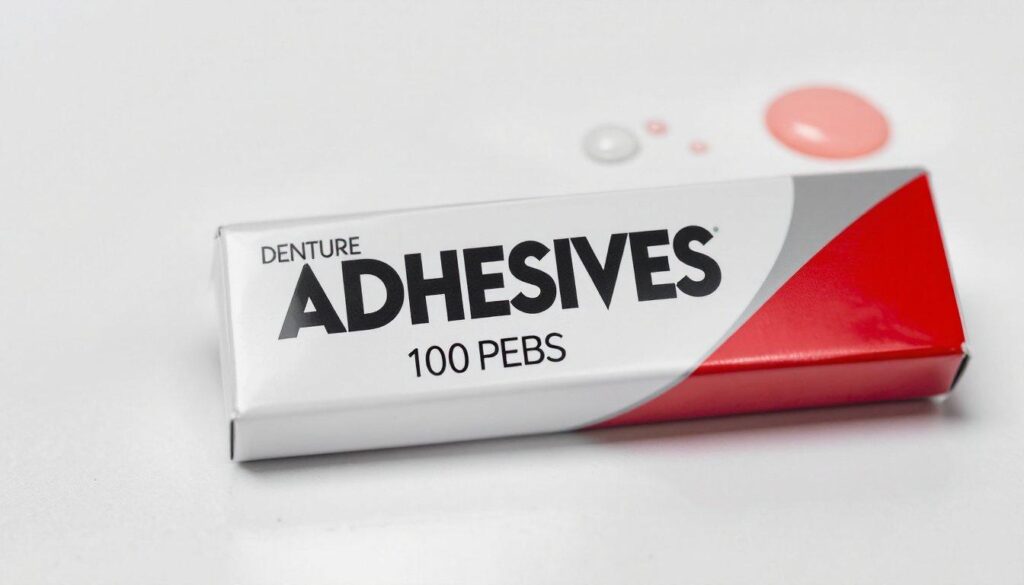
Use denture adhesive when a well-fitting denture needs a little extra stability; apply a small amount as directed, remove it daily, and have persistent looseness checked by a dentist. Adhesive can help your denture feel more secure while you speak or eat. Needing progressively more of it, though, is a reason to check the fit.
Your mouth and jaw change over time, so a denture that once stayed in place may begin to shift. If you wear dentures, including same day dentures in Wilmington, NC, pay attention to when the movement started and whether it comes with soreness. Those details help you decide whether adhesive is enough for now or it is time for an adjustment.
When Does Denture Adhesive Help?
Denture adhesive adds hold to a denture that already fits reasonably well. Its most useful role is managing minor movement while you continue to care for the denture and monitor its fit.
When Is Extra Hold Useful?
A light application may help when your denture shifts slightly during conversation or a meal. Some people also prefer the added security during a long social event. Follow the product label, since the amount and application method differ among creams, powders, and pads.
A new denture may feel different as you learn to eat and speak with it. Ask your dentist before adding adhesive if you have just received dentures or recently had teeth removed. Your gums may still be healing, and your dentist can tell you when adhesive is appropriate.
When Does a Loose Denture Need an Adjustment Instead?
Schedule a fit check when your denture rocks, drops repeatedly, rubs one spot, or needs increasing amounts of adhesive to stay seated. Changes in your gums and jawbone can create space beneath the denture. Adhesive will fill only a limited gap and will not correct pressure from a poor fit.
Your dentist can assess whether an adjustment, reline, repair, or replacement is appropriate. Bring the denture to the appointment and explain where it moves or hurts. That information helps pinpoint a problem that may be difficult to see while the denture is out of your mouth.
How Do You Apply and Remove Denture Adhesive?
Start with a clean denture, use the application method on the package, and clear away the adhesive each day. A thin, controlled application is easier to manage than a thick layer.
How Do You Use Cream, Powder, or Adhesive Pads?
For cream, clean and dry your denture, then place small dots or short strips on the tissue-facing surface, away from the edges. Seat the denture and press it gently into place. Wait before eating or drinking if the label instructs you to.
For powder, clean the denture and leave its tissue-facing surface slightly damp. Sprinkle on a light, even layer, shake off the excess, and seat the denture. For adhesive pads, follow the package directions for trimming and moisture; position the pad on the denture before placing it in your mouth.
How Much Adhesive Is Too Much?
Adhesive that squeezes out around the edges when you seat your denture is a sign to use less next time. Start with the smallest amount specified on the label and increase only within its directions. Keep cream or pads away from the denture’s borders so excess material does not spread into your mouth.
If you need to reapply adhesive repeatedly during the day, arrange a fit evaluation. Using a thicker layer may make cleanup harder while leaving the cause of the movement untreated.
How Do You Remove Adhesive and Clean Your Dentures?
Loosen the seal gently, then remove your denture without forcing it. Rinse away adhesive and clean the denture with a soft denture brush and a cleanser made for dentures. Avoid hot water, which can warp some dentures, and follow your dentist’s instructions for overnight storage.
Use a soft brush or damp cloth to clear residue from your gums and palate. Clean the denture and your mouth each day before applying fresh adhesive. If residue is difficult to remove, ask your dentist or pharmacist about a product-compatible cleaning method.
When Should You Ask a Wilmington Dentist About Your Dentures?
Ask a Wilmington dentist to evaluate recurring looseness, sore areas, or concerns about adhesive use. A fit check can identify pressure points and determine whether your denture needs attention.
Which Fit Changes or Mouth Sores Need Attention?
Book an appointment if your denture starts clicking, shifts when you chew, or develops a spot that repeatedly rubs your gum. Have a sore examined if it persists for two weeks, returns in the same place, or prevents you from wearing the denture comfortably. Seek prompt care for significant swelling, fever, or worsening pain.
If your denture is cracked or a tooth or clasp has broken, stop using household glue and contact your dentist for repair advice. Bring the denture with you; its condition helps your dentist assess the safest next step.
What Should You Know About Zinc and Other Safety Concerns?
Some denture adhesives contain zinc. Excessive, prolonged use of zinc-containing adhesive has been linked to health problems, including nerve symptoms associated with too much zinc. Read the ingredient label, stay within the product’s directions, and ask your dentist or physician about your total zinc exposure if you also take supplements.
Stop using a product and seek advice if it irritates your mouth or causes a suspected allergic reaction. If you have a partial denture, ask your dentist where adhesive belongs so it does not interfere with clasps or the way the appliance seats.
Use Adhesive for Support, Not as a Fix for Poor Fit
Adhesive is a useful supplement when your denture fits well and needs modest extra hold. Apply it sparingly, remove it daily, and keep both your denture and mouth clean.
If slipping becomes frequent or a sore spot develops, schedule a denture evaluation in Wilmington. Tell your dentist how much adhesive you use and where the denture moves so you can get advice specific to its fit.