
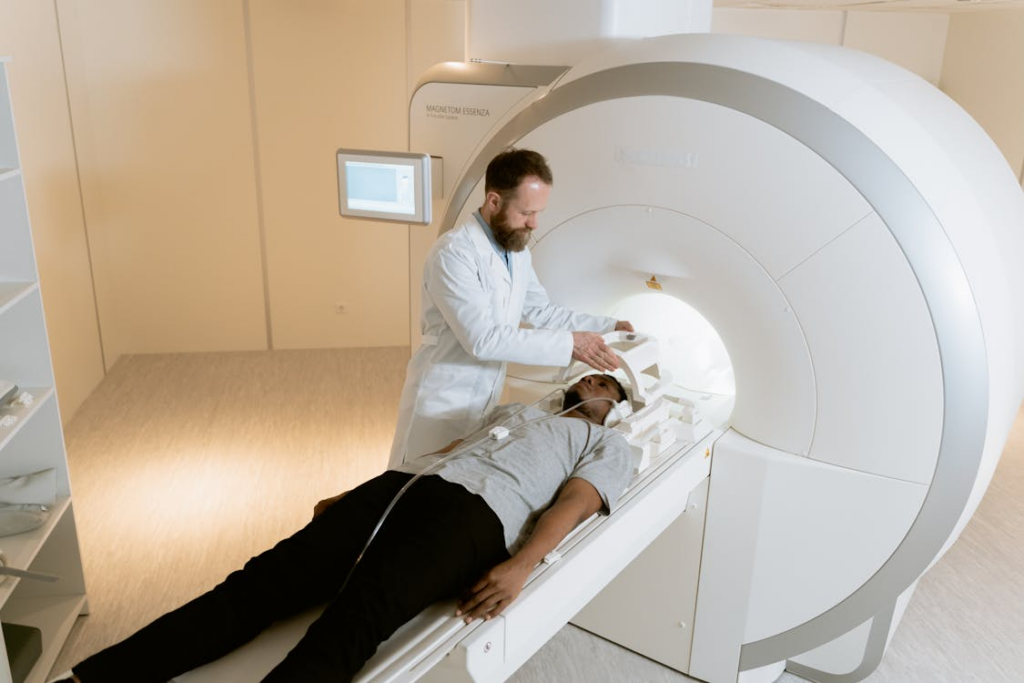
Medical testing is a normal part of looking after your health. Staying informed about your body can help you make better choices and act sooner when something feels wrong. According to the Office for National Statistics: Health Trends, access to diagnostic services is part of the wider state of health and care in the UK. While scans can provide useful medical information, the thought of having an MRI scan can cause real stress for some people.
Feeling nervous about small spaces, loud machines, or a medical setting is common and completely understandable. MRI scanners can feel restrictive, especially for people who experience claustrophobia. The good news is that modern clinics use several methods to help patients feel calmer and more prepared.
Understanding what to expect can make the appointment feel less frightening. It can also help you get the medical answers you need without adding more distress to an already worrying situation.
Why Do People Feel Anxious?
Anxiety about medical imaging often comes from a few specific concerns. The most common is the MRI scanner’s enclosed design. For people who dislike small spaces, the thought of lying still inside the scanner for 20 to 40 minutes can be difficult.
The sound of the machine can also add to anxiety. MRI scanners often make loud tapping, thumping, or clicking noises while taking images. These sounds are normal, but they can be startling if you are not expecting them.
There may also be worry about the results. Whether you are reading Heart health advice from the NHS or investigating pain, swelling, headaches, or a joint injury, waiting for answers can create tension. Knowing what is causing the worry is often the first step towards managing it.
Tips for Managing Claustrophobia
If tight spaces are a challenge for you, there are practical steps you can take before and during the appointment.
Tell the Staff How You Feel
Let the clinic team know if you are anxious before the scan begins. Radiographers often work with nervous patients, and they can explain each stage clearly. They may also be able to offer extra support, short pauses, or reassurance during the scan.
Being honest about your fear is not a problem. It helps the staff properly look after you.
Close Your Eyes Early
Some people find it helpful to close their eyes before the scanner bed moves into place. If you do not see the inside of the scanner, your mind may be less likely to focus on the space around you.
Try to keep your eyes closed throughout the scan if that helps you stay calm. You can also focus on your breathing or imagine being somewhere familiar and peaceful.
Use Calm Breathing
Slow breathing can help steady your heart rate and reduce panic. Try breathing in gently through your nose, then breathing out slowly. Do not force deep breaths, as this can make some people feel light-headed.
Focus on keeping the breath steady and easy. Counting each breath can also give your mind something simple to follow while the scan is taking place.
Remember the Call Button
You will usually be given a small squeeze ball or button before the scan starts. If you feel overwhelmed, you can press it to alert the staff.
Being able to reach the team whenever you need support can help ease feelings of being stuck. You are not left alone during the scan. The staff can speak to you and check how you are doing.
The Role of the Radiographer

The radiographer is the person who operates the MRI scanner. They stay in contact with you through a two-way intercom and can speak to you between scan sequences.
They may tell you how long each part will take, when the next noise will start, and how much time is left. These updates can make the scan feel more manageable because you know what is happening.
Some clinics also use mirrors around the head area. These can help you see out of the scanner, making the space feel more open. Some scanners are also wider than older models, giving more room around the shoulders and chest.
Distraction Methods That May Help
Keeping your mind busy can make the scan feel shorter. Different people find different methods helpful, so it is worth thinking about what usually calms you.
Music
Many centres offer headphones with music or a radio station. This can help mask some of the scanner noise and give you something more pleasant to focus on.
You may be able to ask about this before the appointment. Knowing that music is available can make the scan feel less intimidating.
Mental Tasks
Simple mental tasks can also help. You might count backwards, recite song lyrics in your head, list places you have visited, or solve easy maths problems.
The aim is not to test yourself. It is easy to keep your mind occupied while the scan is underway.
Calming Scents
Some clinics may allow you to use a calming scent, such as lavender, on a tissue before the scan. Always ask first, as clinic rules can vary.
A familiar scent can help some people feel more settled, especially when paired with slow breathing.
Sedation and Extra Support
Some people experience severe anxiety that cannot be managed with breathing or distraction alone. In these cases, it may be worth speaking with your GP before the appointment. They may advise whether a mild sedative is suitable.
If you take a sedative, you will usually need someone to take you home afterwards. You should not drive or operate machinery after taking medication that makes you sleepy.
Sedation is not needed for everyone, but it can help some patients complete the scan safely and calmly. This is to get clear images so your medical team can decide the next step in your care.
Choosing the Right Environment
The clinic can make a big difference to how calm you feel. A quiet space, clear communication, and friendly staff can help reduce stress before the scan begins.
For example, Vista Health prioritises patient comfort and offers diagnostic scan appointments. Staff can answer questions, explain the process, and help patients feel more at ease before the scan.
When you can choose your provider, look for one that explains the scan process clearly and mentions patient support. A clinic that takes anxiety seriously can make the appointment feel more manageable.
Flexible appointment times may also help. Some people feel calmer earlier in the day, while others prefer a time that fits around work or family duties.
Life After the Scan
Once the scan is over, many people feel relief straight away. The anxious feelings often fade once you are out of the scanner and back to normal.
In most cases, you can return to your usual routine after the appointment, unless you have taken sedation. If you have taken medication, follow the advice given by your GP or clinic team.
The images gathered during the scan can be valuable. They help doctors see what is happening inside the body and decide whether treatment, monitoring, or further tests are needed.
A scan may confirm a diagnosis, rule out a concern, or guide the next stage of care. Having clearer information can reduce worry and help you feel more in control.
Preparing Before Your Appointment
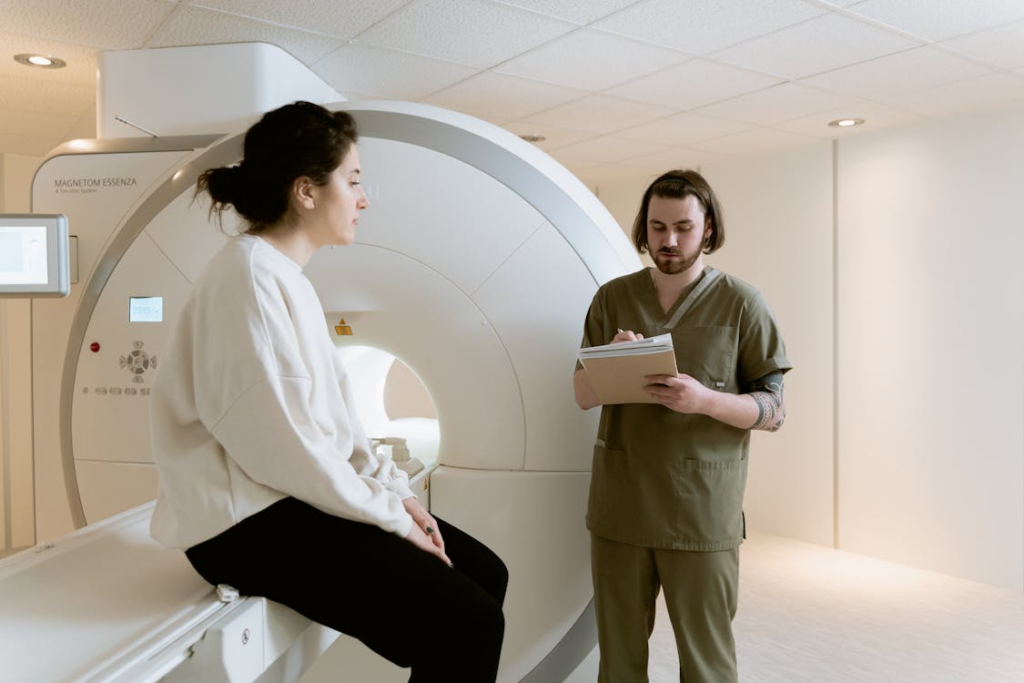
A little preparation can make the scan feel easier. Before your appointment, read any instructions from the clinic carefully. Some scans may require you to avoid food or drink for a set time. Others may require you to remove jewellery, watches, or clothing with metal parts.
Wear comfortable clothes if the clinic allows it. You may be asked to change into a gown, depending on the type of scan.
It can also help to write down questions before you arrive. You might want to ask how long the scan will take, whether music is available, how results will be shared, and what to do if you feel anxious during the scan.
Final Thoughts
Fear of MRI scans is common, especially for people who struggle with small spaces or medical anxiety. This fear does not mean you are being difficult. It simply means you may need more support and preparation.
Simple steps such as speaking to the radiographer, closing your eyes early, using breathing techniques, listening to music, and understanding the call button can all help.
Choosing a supportive clinic can also make the process feel less stressful. With proper preparation and care, many people find an MRI scan easier than they expected.
Looking after your health is a positive step. Getting the scan done can give you and your medical team the information needed to make clearer decisions about your care.