
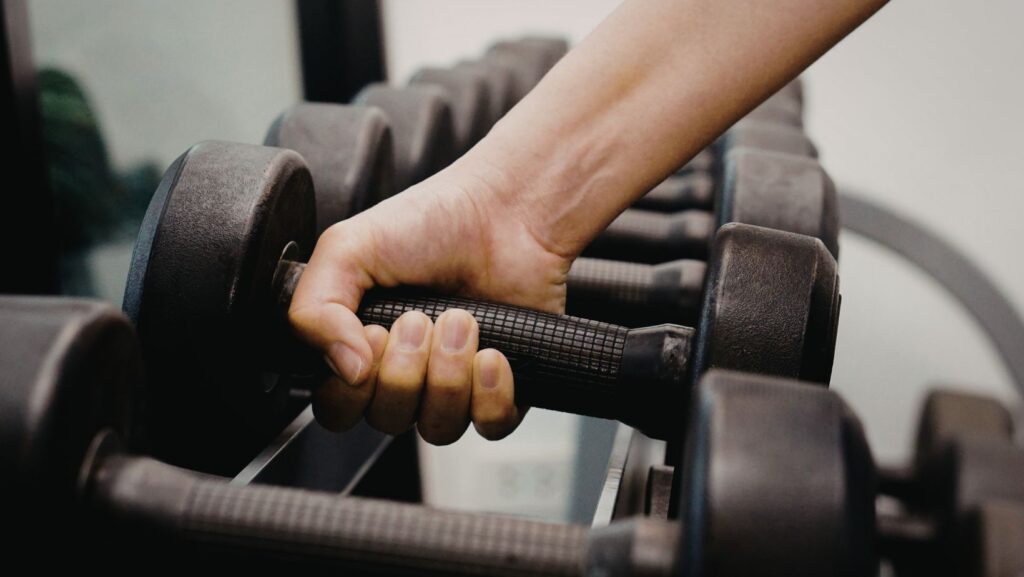
Most home training setups start with a very simple base of kit, but rapidly become ‘cluttered’ with plates, accessories and specialty tools. Without being planned, it’s very easy for a plate or two to lean against a wall, resistance bands to end up in a messy heap on the floor, while the overall feel to the setup has an area crammed full of unnecessary bits that make training less fluid and sometimes dangerous. The setting up and organization of heavy training items has little to do with being ‘neat’, but is instead about protecting equipment from damage, moving pieces of kit from A to B more efficiently, and reducing needless injury risk. A good design takes into account how a lifter operates, and tries to accommodate that to allow them to easily keep the tools of their trade close at hand, and store other kit safely out of the way. Tips for organizing your bars, plates and accessories.
Deciding Which Gym Gear Should Stay Accessible Daily
The equipment you decide to keep in your home gym should focus on the items you use for the majority of your workouts. Things like a barbell, adjustable dumbbells, the weight plates you use most often, and a bench should be stored where they’re easy to grab so you don’t waste a lot of time moving things around between sets. That lifting belt you use the most or the collars you add to your barbell can be stored at hand, too. Specialty equipment you don’t use every day—extra bars, strongman toys, spare plates, or gear you use during seasonal training—can be stored away from your regular training zone. Separating everyday items from those you use once a month will make your workouts safer (less to trip over) and help keep your training area open. When equipment collections grow larger than the available space, some athletes temporarily keep less-used gear in nearby locations such as Meredith Park storage so the primary gym area remains open and organized. Next, we will look at how to store the equipment that remains in the workout space so it stays safe and easy to access.
Organizing Plates, Bars, And Accessories Safely
Heavy equipment requires thoughtful storage to prevent damage and reduce the risk of accidents. Proper organization also makes workouts more efficient by keeping everything in predictable locations.
Essential Principles to Follow:
- Use Dedicated Plate Storage Plate trees or wall-mounted pegs keep weight plates stable and easy to load during workouts.
- Store Bars Horizontally Or Vertically Barbell racks or wall mounts protect bars from bending and free floor space.
- Group Small Accessories Together Resistance bands, collars, and straps should be stored in labeled bins or hooks.
Common Pitfalls to Avoid:
- Leaning plates against walls, which can cause them to fall or damage surfaces.
- Storing heavy equipment in unstable piles that create safety hazards.
- Mixing accessories in random containers, which slows down workouts.
- Ignoring proper rack systems, which leads to cluttered training areas.
Creating A Rotation System For Specialized Equipment
Step 1: Divide your equipment based on its frequency of use during your training cycle. Your primary training gear—your main barbell, plates, and any specialty pieces you use on every training day—should be clearly visible and ready to roll in the middle of your training area. Secondary equipment—the stuff you use every couple of weeks but not every day, specialty bars, a set of plates or two, kettlebells, resistance bands—should stay nearby on a shelf, rack, or pod and be ready to deploy, but can rest off of the main floor.
Step 2: Finally, establish a Reserve Section. Here’s where you place equipment that you can take off the floor entirely but still want to keep close by. Strongman tools, extra mats, maybe even a plethora of conditioning gear you use only a few times during a specific training phase should be either in a clearly labeled bin or designated corner of your gym where they can be kept safe.
Step 3: As your training program changes, so should where you place your various pieces of equipment. As you start a fresh training cycle, move the tools you intend to use the most often into the main section, and then move everything else to the Reserve Section.
What Changes For Small Homes, Garages, And Shared Workout Spaces
How Do Small Homes Manage Heavy Training Gear?
Small homes benefit from vertical storage solutions that free floor space for movement. Wall-mounted racks, plate trees, and compact shelving can keep equipment organized without expanding the gym footprint.
How Can Garages Serve As Effective Home Gyms?
Garages provide flexible space for larger equipment but still require clear organization. Separating gym zones from household storage helps maintain a safe training area and prevents tools from mixing with other items.
What Helps Shared Workout Spaces Stay Organized?
Shared gyms work best when each user understands where equipment belongs. Clearly labeled racks, bins, and storage zones make it easy for everyone to return items after workouts. Consistent placement keeps the space functional for multiple lifters.
A Weekly Routine That Keeps A Home Gym Organized
Your home gym only works if it’s properly organized. After each workout, put your plates back on the rack, hang resistance bands on their hooks, and rack any bars back in their storage mounts. Do a quick inspection once per week to make sure accessories are still in their containers, no collars or straps are out of place, and nothing is left in the way of the clear main training area or blocking walkways. Wipe down your benches and bars to prevent tartar building up, and make sure your racks and storage systems are still anchored and stable.
Choose one day each week to reset your gym and return every piece of equipment to its designated place.
Frequently Asked Questions About Storing Training Equipment
How should weight plates be stored safely?
Weight plates are best stored on plate trees or wall-mounted pegs designed to support their weight. This keeps plates stable and prevents them from falling or damaging floors and walls.
What is the best way to store barbells in a home gym?
Barbells can be stored vertically in bar holders or horizontally on wall-mounted racks. Proper storage protects the bar from bending and frees up valuable floor space.
How can smaller accessories stay organized?
Using labeled bins or hooks helps keep resistance bands, straps, and collars easy to find. Returning accessories to the same location after each workout keeps the gym tidy.
Is it safe to store gym equipment in a garage?
Yes, garages often provide enough space for racks and larger equipment. However, maintaining proper organization and protecting equipment from moisture helps preserve its condition over time.