

Introduction
A youthful face isn’t only about smoothing lines. It’s how light reflects off even skin, the bounce you see when you smile, and the way makeup glides on (or isn’t needed at all). In other words, “looking younger” is less a wrinkle-by-wrinkle battle and more about improving skin quality—your texture, tone, hydration, barrier strength, and elasticity. If you’ve focused solely on anti-wrinkle creams, this guide will help you broaden your strategy and get more natural-looking results.
What Do We Mean by “Skin Quality”?
Skin quality is a catch-all for the attributes that make skin look vibrant:
- Texture: smoothness, refined pores, even surface.
- Tone: consistent color with fewer dark spots or redness.
- Hydration & Barrier: well-moisturized skin that loses less water and feels comfortable.
- Elasticity & Firmness: that “spring back” feel linked to collagen and elastin.
Because these qualities are interconnected, the best plans address several at once—protecting from damage, nudging cell turnover, restoring barrier lipids, and stimulating new collagen.
Protecting Skin Quality with Consistent Sunscreen Use
UV exposure is the fastest way to erode skin quality. Daily, correct sunscreen use helps prevent rough texture, dullness, pigmentation, and loss of bounce.
Look for broad-spectrum SPF 30 or higher, and reapply when outdoors. Reapplication is often the missing step that keeps people from seeing benefits.
For practical guidance, the American Academy of Dermatology outlines what to look for (broad-spectrum, water-resistant, SPF 30+) and how to use it effectively.
Pro tip: Treat sunscreen like your finishing coat each morning—after moisturizer, before makeup. Pair with shade, hats, and sunglasses to reduce total UV load.
Improving Skin Texture and Tone with Retinoids
If sunscreen is your defensive line, retinoids (including over-the-counter retinol) are your offense. They normalize cell turnover, brighten uneven tone, refine texture, and—crucially—support collagen.
Start slow (e.g., twice weekly), moisturize to buffer dryness, and step up as tolerated. A recent review highlights tretinoin as a gold-standard option for photoaging because of its collagen-promoting effects; gentler retinoids (retinol, retinaldehyde) can be good entry points.
Starter routine idea: Cleanser → hydrating serum (e.g., hyaluronic acid) → moisturizer → pea-sized retinoid (night) → sunscreen (day).
Strengthening the Skin Barrier for Long-Lasting Radiance
A strong skin barrier keeps water in and irritants out—vital for smoother texture and fewer flare-ups. Look for:
- Humectants (hyaluronic acid, glycerin) to pull in water.
- Occlusives (squalane, petrolatum) to slow water loss.
- Barrier lipids (ceramides, cholesterol, fatty acids) to restore the stratum corneum.
When your barrier is supported, active ingredients are often easier to tolerate and results look more “lit from within,” not over-treated. If your routine stings, pare back actives, add a bland moisturizer, and re-introduce gradually.
Refining Skin Texture with Gentle and Targeted Exfoliation
Less is more with exfoliation.
- Chemical exfoliants (AHAs like lactic/glycolic; BHAs like salicylic) can buff away dullness and soften the look of pores.
- Keep frequencies modest (1–3× weekly) to avoid barrier damage and rebound sensitivity.
- Alternate with retinoids rather than stacking on the same night.
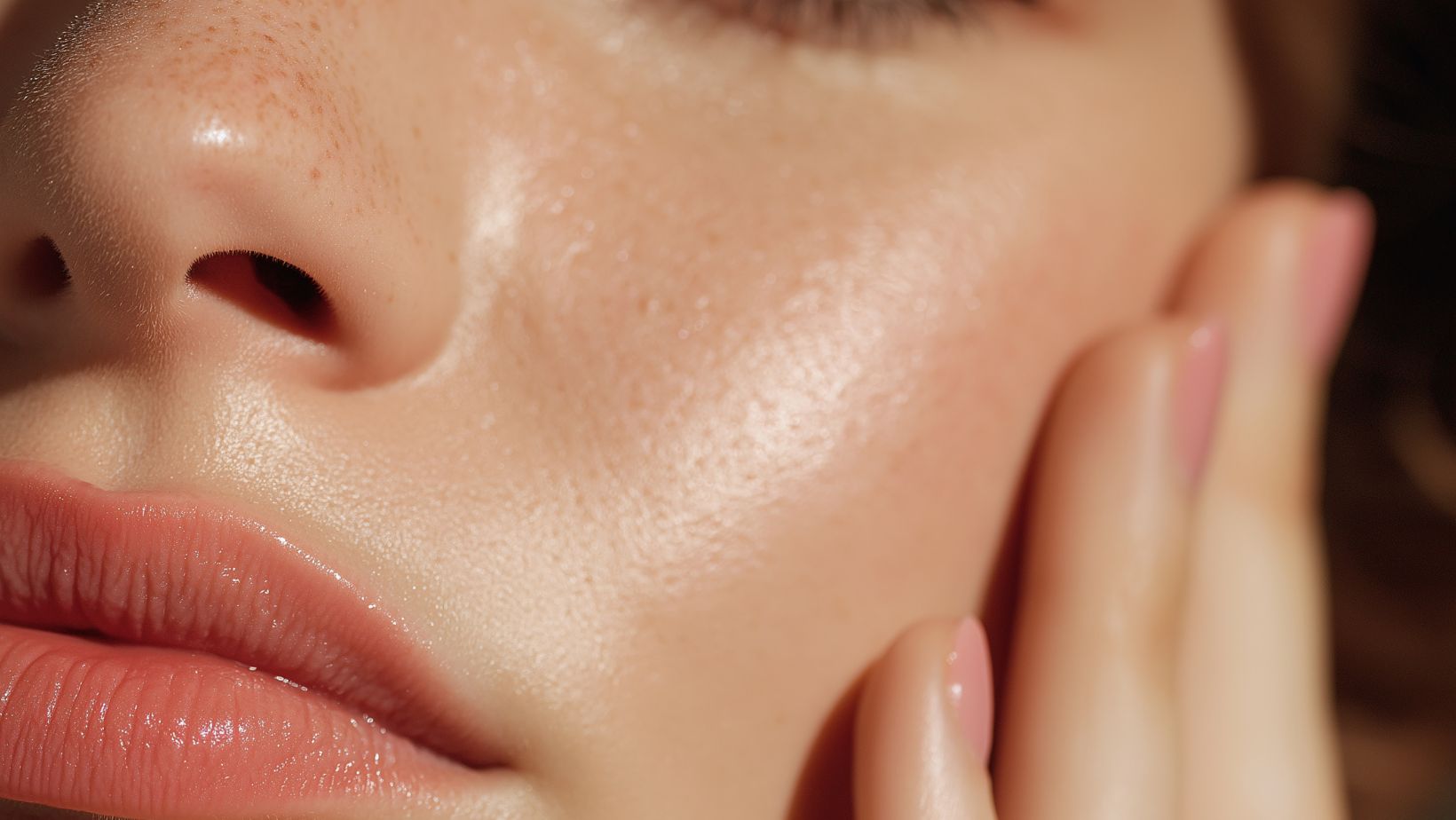
Think of exfoliation as polishing, not sanding—your barrier should feel calm, not squeaky.
Collagen Support: Procedures That Elevate Skin Quality
When topical care hits a plateau, in-office treatments can stimulate deeper renewal. A few commonly used options:
- Microneedling: Creates controlled micro-channels that can improve texture and minor scarring.
- Energy-based devices (e.g., radiofrequency): Aim to tighten by remodeling collagen and elastin.
- Chemical peels: From light to medium depth, peels resurface uneven tone and fine texture.
- Injectable hydrators (e.g., stabilized hyaluronic acid microdroplets): Boost glow and skin elasticity without adding volume.
- Platelet-rich plasma (PRP): Uses your own platelets’ growth factors to encourage rejuvenation when applied or combined with procedures.
The right choice depends on skin type, tolerance for downtime, and goals. A professional evaluation can combine modalities for more global improvements in radiance, texture, and firmness—not just line-by-line filling.
Lifestyle Levers That Show on Your Skin
Small daily habits make treatments work harder:
- Sleep & stress: Consistent sleep and stress management help reduce inflammatory signals that can dull skin.
- Protein & colorful plants: Provide amino acids and antioxidants that support collagen and protect against oxidative stress.
- Exercise: Improves circulation and may enhance that “healthy glow.”
- Gentle cleansing: Over-washing and hot water strip lipids; use lukewarm water and a non-stripping cleanser.
- Don’t smoke or vape: Both are linked to impaired wound healing and premature texture changes.
Creating a Simple and Effective Daily Routine
Morning Routine (AM)
- Cleanser – Gently removes oil, sweat, and impurities.
- Hydrating serum – Replenishes moisture and gives the skin a healthy plump look.
- Ceramide-rich moisturizer – Strengthens the skin barrier and locks in hydration.
- Broad-spectrum SPF 30+ – Protects against UV damage and premature aging.
Evening Routine (PM – 2 to 4 nights per week)
- Cleanser – Removes buildup and makeup.
- Moisturizer – Prepares the skin and minimizes irritation.
- Retinoid – Boosts cell renewal, smooths texture, and supports collagen production.
Night Routine (PM – 1 to 2 nights per week)
- Cleanser – Gentle cleansing to remove impurities.
- Gentle AHA/BHA exfoliant – Smooths texture and refines pores.
- Moisturizer – Soothes and hydrates the skin.
Always: Adjust the routine frequency for comfort — consistency delivers better long-term skin quality than intensity.
Conclusion
Treating skin quality is the most natural-looking route to a youthful appearance. Protect with sunscreen, boost turnover with retinoids, keep your barrier happy, and consider procedure-based collagen support when you’re ready. Over time, you’ll notice smoother texture, more even tone, and that subtle, healthy bounce that reads as youthful at any age.
What have you tried that’s improved your skin quality the most? Share your experience in the comments—I’d love to hear what’s worked (and what hasn’t) for you.
Author bio
Written by a contributor for Clinique Main d’Or, a médico-esthétique practice in Québec. Learn more at cliniquemaindor.