
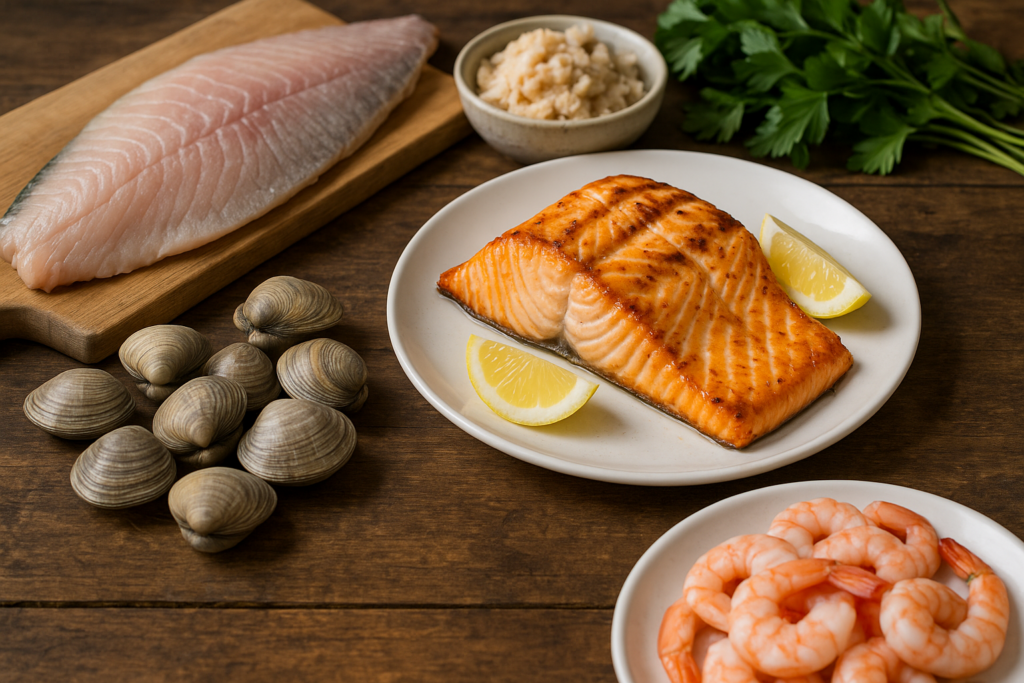
In the ever-evolving world of fitness and nutrition, the focus often falls on the usual suspects: lean chicken breast, quinoa, salmon, and leafy greens. But what if one of the most powerful dietary additions has been hiding in plain sight all along—served on ice, often accompanied by a lemon wedge and a side of melted butter?
As athletes and fitness enthusiasts continue to seek functional foods that boost recovery, performance, and longevity, the tide is turning back to the ocean. Shellfish, particularly clams, are re-emerging as a quiet powerhouse on the plate. They deliver a unique nutritional profile that checks boxes most “superfoods” only dream of.
Why Shellfish Should Be on Your Radar
Shellfish have long been treasured in coastal communities for their dense nutrient content and sustainable harvesting methods. But in fitness circles, they’re often overlooked. Clams, in particular, are high in iron, B12, and omega-3 fatty acids—nutrients vital for energy metabolism, cognitive clarity, and cardiovascular health.
For lifters and endurance athletes, clams also offer a rare natural source of heme iron, which is far more bioavailable than the plant-based version. This makes them a strategic food choice for anyone fighting fatigue or optimizing red blood cell production, especially women, who are more susceptible to iron deficiency.
Understanding clam sizes plays a key role in choosing the right type for different culinary and nutritional needs. Whether you’re looking for a tender bite to add to pasta or a hearty protein portion for a post-workout meal, different sizes—from Littlenecks to Cherrystones—offer varying textures and flavors.
Performance Nutrition from the Sea
Let’s talk macros. A single serving of clams (about 3 ounces) packs roughly 20 grams of protein and only around 130 calories. That’s an ideal protein-to-calorie ratio for muscle repair and growth. But it’s not just about protein. Clams are also rich in:
- Vitamin B12 – Essential for neurological health and red blood cell production
- Iron – Boosts oxygen transport, fights fatigue
- Choline – Supports muscle contraction and fat metabolism
- Omega-3s – Reduces inflammation, supports joint health
For athletes following lower-carb or paleo-inspired diets, clams fit effortlessly into meal planning. They’re low in fat, low in carbs, and incredibly high in nutrients per gram.
Sustainable Strength
Fitness isn’t just about personal performance—it’s also about making choices that sustain our health and the planet. Clams are one of the most environmentally responsible seafoods you can consume. They require no feed, filter water naturally, and their harvesting has minimal environmental impact. Choosing clams over industrially farmed animal protein supports a more sustainable food system—without sacrificing taste or nutrition.
Better still, understanding clam sizes can help you minimize waste in meal prep and maximize efficiency in your kitchen. Smaller clams cook faster and pair well with lighter meals like salads or stir-fries. Larger varieties are ideal for soups or grilled seafood platters. Choosing the right size based on your dietary goals helps keep your nutrition on point without compromising on flavor.
How to Incorporate Clams into a Fitness Diet
You don’t need to be a Michelin-starred chef to work clams into your weekly routine. Here are a few easy, high-protein meal ideas that are both gym-friendly and gourmet:
1. Clam and Spinach Omelet
Supercharge your breakfast with iron and protein by adding chopped steamed clams and sautéed spinach into a 3-egg omelet. Serve with avocado on the side for healthy fats.
2. Garlic Clam Zoodles
Swap traditional pasta for spiralized zucchini and toss with olive oil, garlic, and Littleneck clams for a low-carb, high-protein dinner.
3. Clam and Sweet Potato Bowl
Combine roasted sweet potatoes, steamed clams, arugula, and a citrus vinaigrette for a balanced lunch packed with complex carbs and lean protein.
4. Protein-Packed Clam Chowder (Lightened Up)
Use a cauliflower purée base instead of cream to keep calories low while retaining the hearty satisfaction of this comfort classic.
Mindful Eating Meets Maximum Gains
One of the biggest challenges for those pursuing long-term fitness is avoiding dietary burnout. Eating chicken every day can feel monotonous, and supplement-heavy diets can lead to nutrient gaps over time. Incorporating clams offers a sensory and nutritional reset. The briny, savory complexity of shellfish adds variety to your palate, helping you stay consistent with your clean eating goals.
Moreover, clams contain taurine and selenium, two lesser-known but critical nutrients for recovery, detoxification, and even mood regulation. That post-workout soreness or afternoon crash might be mitigated with the right micronutrient balance—and clams deliver that in spades.
Final Thoughts
Shellfish aren’t typically the first thing that comes to mind when building a clean, performance-oriented diet—but maybe they should be. With their unique combination of bioavailable nutrients, high-quality protein, and low environmental impact, clams are an elite-level food that deserves more space on the plates of athletes, trainers, and everyday health warriors.
By paying closer attention to variety and portion—yes, even considering which clam sizes best fit your goals—you can enhance your nutrition strategy without overhauling your entire meal plan. Fitness isn’t just built in the gym. It’s cultivated in the choices you make every time you fuel up—and the ocean might just hold the next key to your strength.